Zebra Isopod

Zebra Isopod

Armadillidium maculatum
$3-8
Price
2-3 years
Lifespan
Beginner
Difficulty
Check availability & prices
View suppliers & Amazon options

About this species

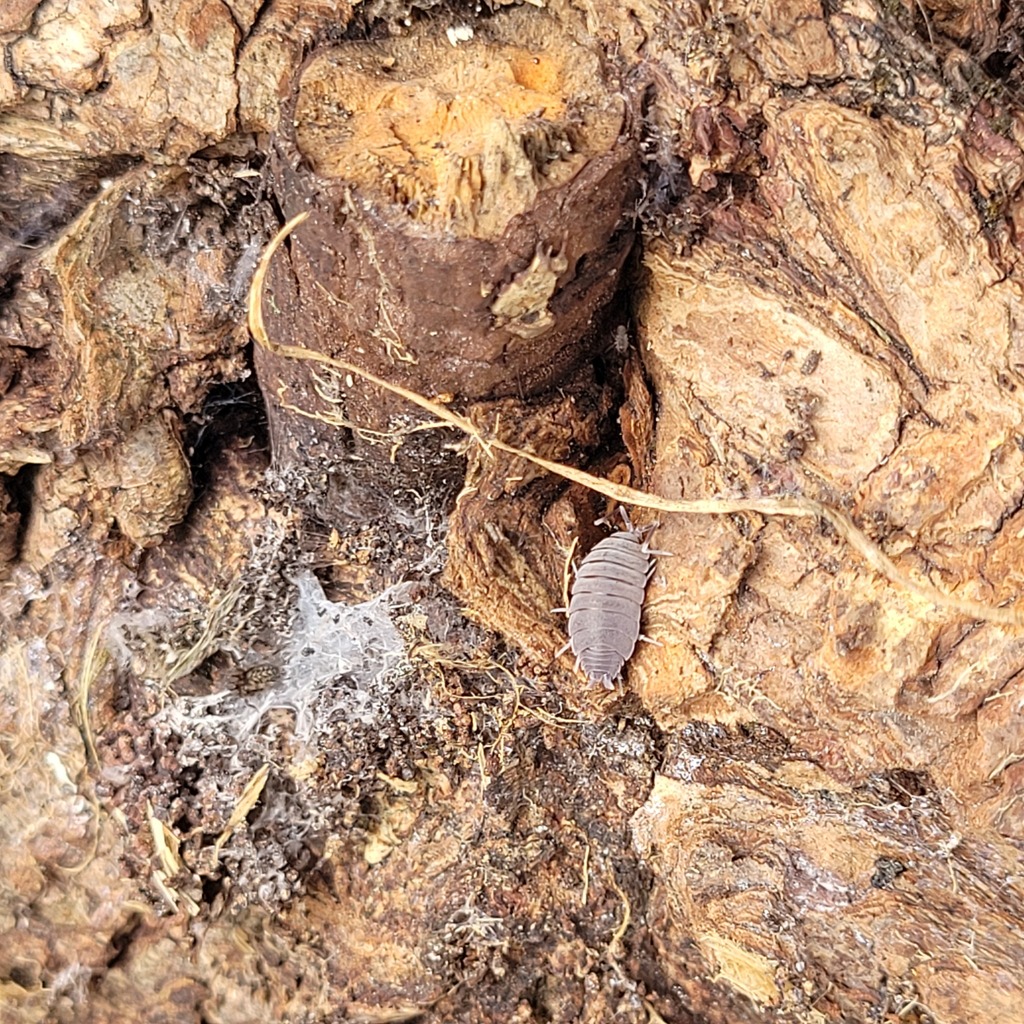
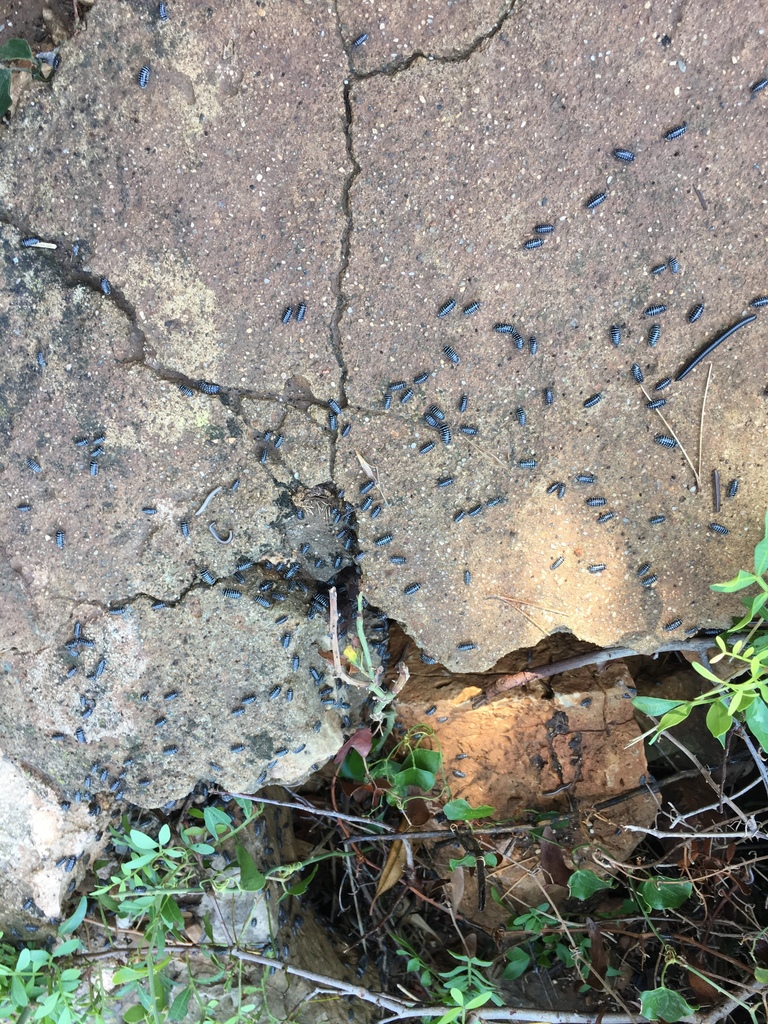
Armadillidium maculatum is one of those species that immediately catches your eye. The bold black-and-white striped pattern on their dorsal surface is genuinely striking, and no two individuals are exactly the same — some lean heavier on the dark side, others are more evenly banded. They're a Mediterranean species originally found in southern France, and they carry that classic Armadillidium body plan: rounded, chunky, and fully capable of rolling into a tight defensive ball. Adults reach about 18-20mm, making them a nice mid-sized isopod.

Zebra isopods are a fantastic entry point for anyone getting into isopod keeping. They're hardy, they breed at a reasonable pace (not explosively like Porcellio laevis, but steadily), and they look incredible in a display setup. Their conglobation behavior — the classic pillbug roll — never gets old, and they're active enough during evening hours that you'll actually see them doing their thing. They work beautifully as a bioactive cleanup crew in arid to semi-arid reptile enclosures, or as a standalone pet colony.

One thing to keep in mind: A. maculatum does prefer slightly drier conditions compared to many tropical isopod species. They're not as drought-tolerant as Armadillidium vulgare, but they definitely don't want to be sitting in soggy substrate. Getting that moisture gradient right is the key to a thriving colony.

Care requirements

Temperature
68-78°F (room temperature is usually perfect)°F
Humidity
50-70% on the moist end, with a dry side gradient%
Enclosure
Plastic tub or glass terrarium with ventilation. A 6-quart Sterilite tub works great for a starter colony; upgrade to a shoebox-sized bin (16 qt) as they multiply. For display, a front-opening nano enclosure looks amazing.
Size
Minimum 6-quart container for 10-15 individuals, but bigger is always better for colony stability. A 16-quart tub or 5-gallon equivalent gives you room for the colony to really establish.
Substrate
A mix of organic topsoil (no fertilizers or pesticides), sphagnum peat moss, and plenty of decaying hardwood leaf litter. Go 2-3 inches deep. Some keepers add crushed limestone or oyster shell directly into the substrate to provide calcium. Keep one side of the enclosure moist and the other dry — they'll self-regulate where they hang out.
Diet
Leaf litter is the staple — oak, magnolia, and maple leaves are all great. Supplement weekly with vegetable scraps like carrot, zucchini, sweet potato, or squash. A constant supply of calcium is non-negotiable: cuttlebone, crushed eggshells, or limestone pieces should always be available. Occasional protein from dried shrimp, fish flakes, or a tiny bit of freeze-dried bloodworm helps breeding females and growing juveniles. Remove uneaten fresh food within 48 hours to prevent mold.
Water
No standing water — they can drown. Mist one side of the enclosure lightly every 2-3 days or as needed to maintain a moist refuge area. The other side should stay dry. Sphagnum moss clumps in the moist corner help hold humidity without making things swampy.
Important notes
The number one mistake with A. maculatum is keeping them too wet. These are not tropical isopods — overly damp conditions lead to mold blooms and die-offs. Always maintain a clear dry side in the enclosure. Ventilation matters too; stagnant, humid air is a recipe for grain mites and mold. Protein crashes can happen in dense colonies if you're not supplementing beyond leaf litter, so don't skip those weekly protein offerings. Cork bark flats and hardwood pieces make excellent hides and also serve as a supplemental food source as they break down.

Did you know?

The striped pattern on A. maculatum is actually caused by pigmentation in the exoskeleton, and selective breeding projects in the hobby have produced individuals with more intense contrast — sometimes called 'high white' or 'high contrast' lines.
Like all Armadillidium species, zebra isopods are technically crustaceans, not insects. They breathe through modified gills called pleopodal lungs, which is why they need some humidity but can handle much drier conditions than their aquatic relatives.
Female zebra isopods carry their developing eggs and young in a fluid-filled brood pouch called a marsupium on their underside — essentially a built-in nursery. Baby isopods (called mancae) emerge as tiny, fully formed miniatures of the adults.

Common questions

How fast do zebra isopods breed?
A. maculatum breeds at a moderate pace compared to some isopod species. A starter colony of 10-15 can take 4-6 months to really get going, especially if temperatures are on the cooler side. At 74-78°F with good nutrition and calcium, you'll see broods more frequently. Don't expect Porcellio laevis-level explosions, but a well-maintained colony will steadily grow.
Can I use zebra isopods as a bioactive cleanup crew?
Absolutely — they're a solid choice for bioactive setups, especially with arid to semi-arid reptile species like leopard geckos, bearded dragons, or blue tongue skinks. Just make sure the enclosure has some moist refuges (under cork bark, in a corner with damp moss) so they can regulate their moisture needs. They'll break down feces, shed skin, and decaying plant matter.
How many zebra isopods should I start with?
A minimum of 10-15 is the standard recommendation for establishing a healthy, genetically diverse colony. Starting with fewer can work, but colony growth will be painfully slow and you risk a population crash from a single bad molt cycle or unexpected stress event. If you can grab 20-25, even better — the colony will establish faster and be more resilient.

Related species