About this species
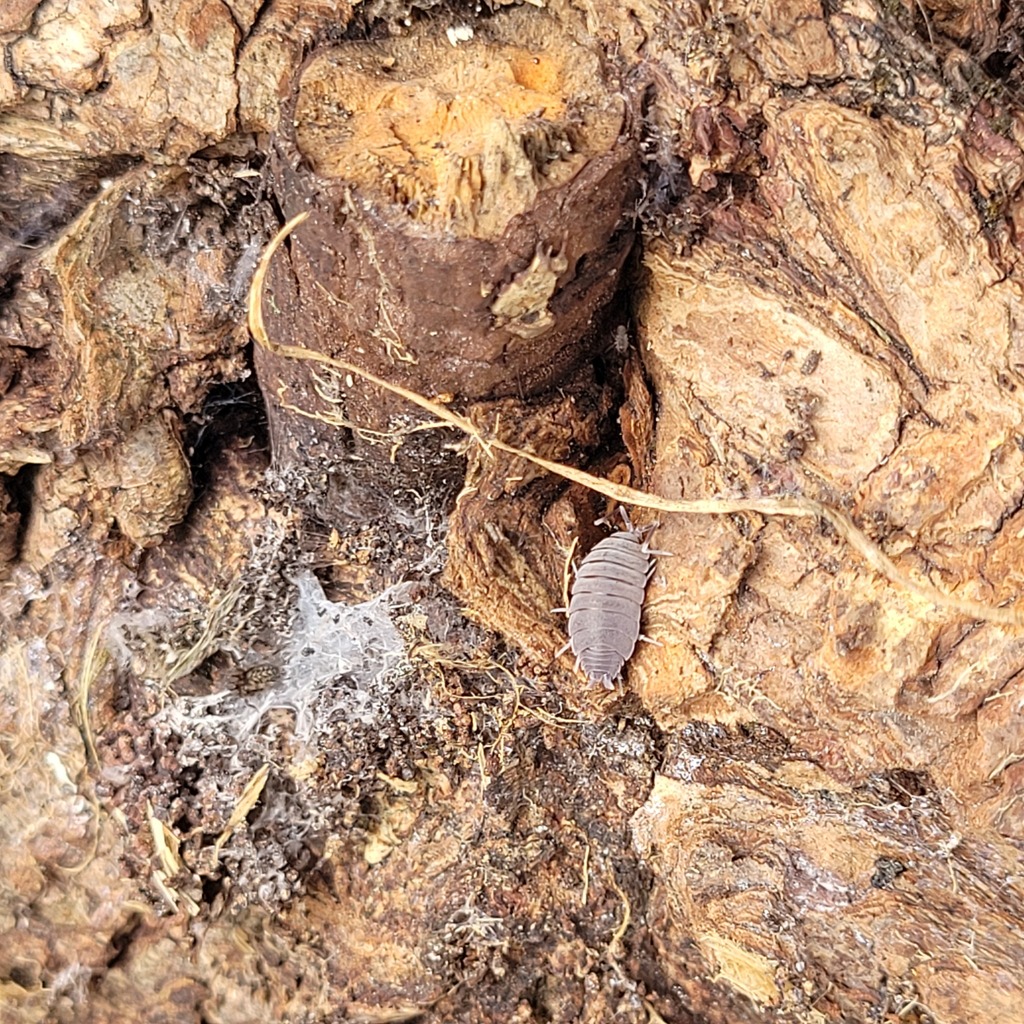
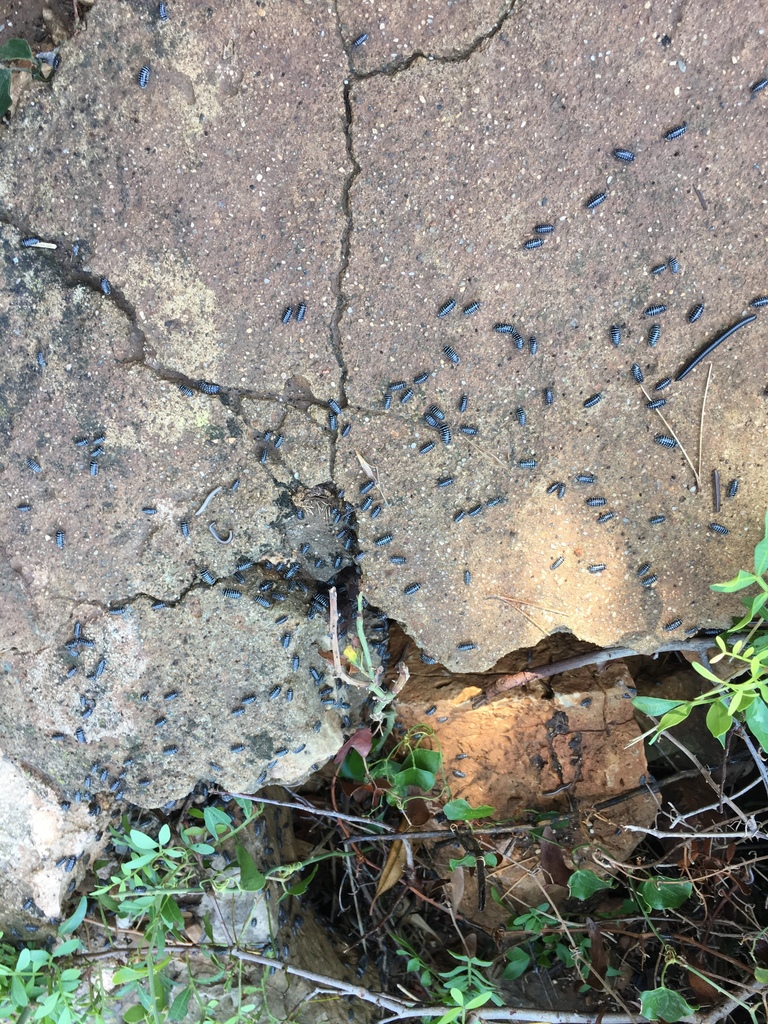
The Magic Potion isopod is a selectively bred color morph of the common pill bug, Armadillidium vulgare. What sets it apart is its gorgeous purple-blue coloration that ranges from a deep violet to a dusty lavender, sometimes with lighter edges on the segments. They're a medium-sized isopod, reaching about 18mm as adults, with the classic roly-poly body shape that makes Armadillidium species so recognizable and endearing. Originally developed through selective breeding in the European hobby, Magic Potions have exploded in popularity in the North American market over the last few years.
These are one of the best 'gateway' isopods for people who want something visually striking without the price tag or difficulty of rarer morphs. They're incredibly hardy, breed reliably in captivity, and tolerate a wider range of conditions than many isopod species. Magic Potions are active and fun to observe, especially during feeding time when they'll pile onto food sources in groups. Their willingness to ball up (conglobate) when disturbed is always a crowd-pleaser, and the purple coloration makes them way more interesting to watch than a standard gray vulgare.
Because they're an A. vulgare morph, Magic Potions are one of the most forgiving isopods you can keep. They're a fantastic choice if you're just getting into the hobby, and they make excellent bioactive cleanup crew members for arid to semi-arid reptile enclosures. Just be aware that their coloration can vary between individuals — some are more blue, some more purple, and juveniles often look lighter until they mature.
Did you know?
The Magic Potion morph was stabilized through generations of selectively breeding the most purple individuals from wild-type Armadillidium vulgare populations — it's the same species as the gray pill bug you probably played with as a kid.
Like all isopods, Magic Potions breathe through modified gills called pleopodal lungs, which is why they need some humidity — they're actually crustaceans, more closely related to shrimp and crabs than to any insect.
Female A. vulgare carry their eggs and developing young in a fluid-filled brood pouch called a marsupium on their underside, giving birth to fully formed miniature isopods called mancae — no larval stage at all.
Common questions
Will Magic Potion isopods breed true for color?
Yes, Magic Potions are a stabilized morph, so offspring will maintain the purple-blue coloration. You may see some variation in shade intensity between individuals, and juveniles tend to be lighter, but they darken up as they grow. Occasionally you might get a slightly less vibrant individual — some breeders cull these out of their breeding stock to keep the line strong.
How many should I start with?
A group of 10-15 is a solid starting colony. Armadillidium vulgare breeds steadily but not as explosively as something like Porcellio laevis, so starting with more gives you a better genetic base and faster colony growth. You should start seeing babies within a couple of months under good conditions.
Can I use Magic Potions as a bioactive cleanup crew?
Absolutely — they're one of the best choices for arid to semi-arid bioactive setups like bearded dragon, leopard gecko, or blue tongue skink enclosures. Their drought tolerance makes them much better suited to these builds than tropical species. Just make sure there's a humid hide zone so they can regulate their moisture needs, and seed the enclosure with enough that the resident reptile won't eat them all before they establish.