About this species
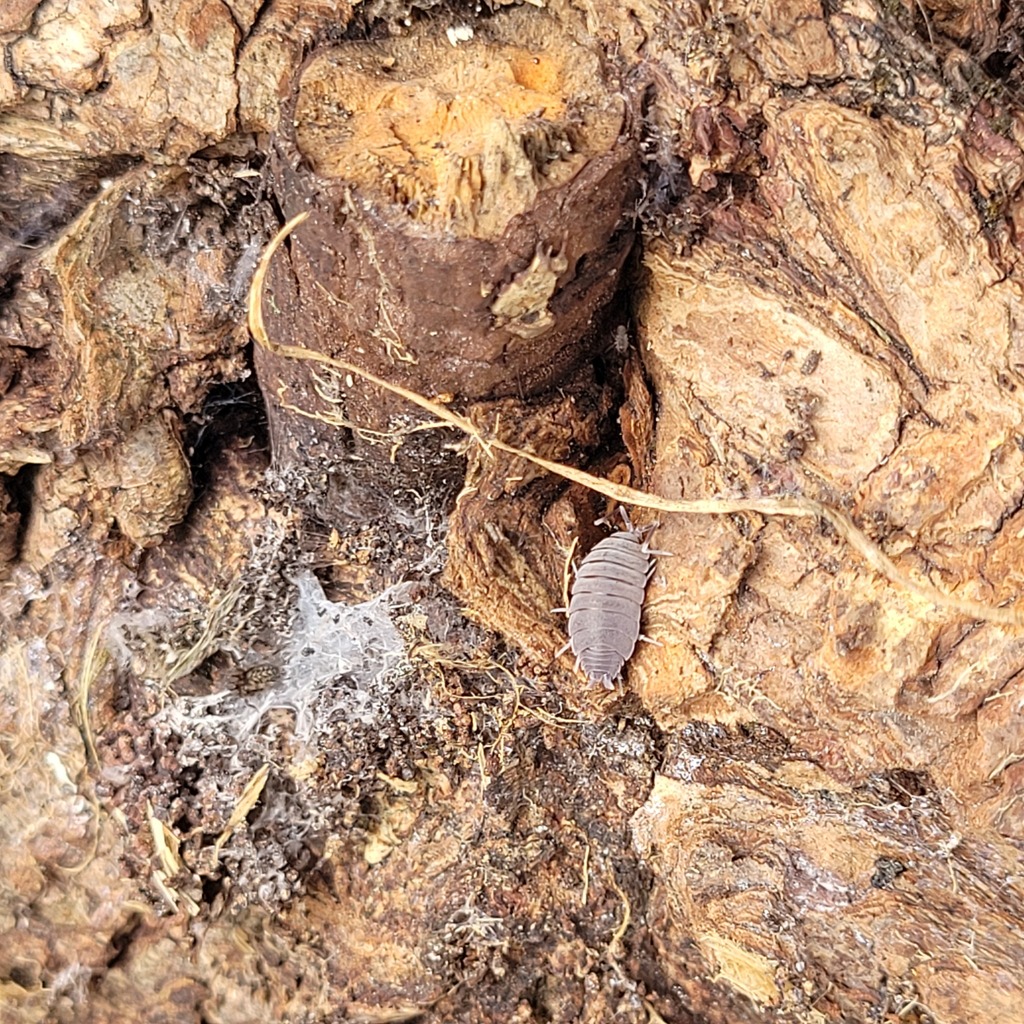
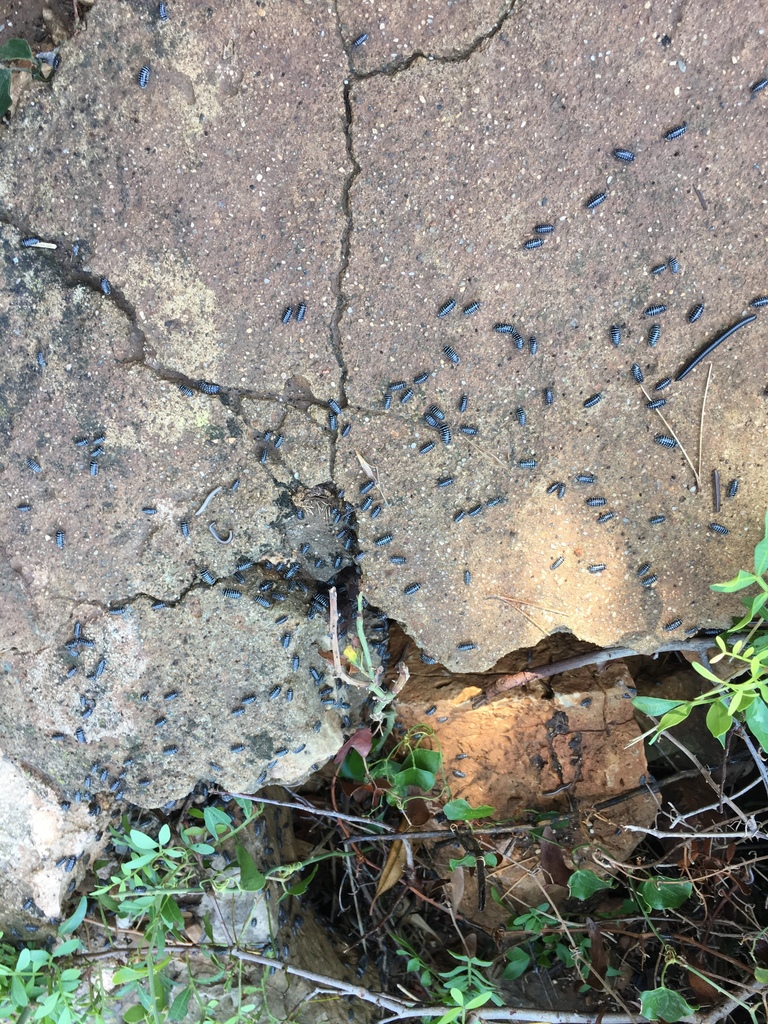
Powder Blue Isopods are one of the most recognizable and widely kept isopod species in the hobby. They sport a distinctive dusty blue-gray coloration thanks to a waxy pruinose coating on their exoskeleton — that powdery look is actually where both their common name and scientific name come from. Originally native to southern Europe, they've become cosmopolitan and now show up on every continent except Antarctica. Adults reach about 1/2 inch in length, making them a medium-small isopod with a sleek, fast body shape that's noticeably different from the rounder Armadillidium species.
These are the workhorse isopod of the bioactive hobby, and for good reason. Powder Blues are prolific breeders that can colonize a new enclosure shockingly fast — a starter culture of 20-30 can explode into hundreds within a few months under good conditions. They're surface-active, bold, and excellent at processing waste, leaf litter, and decaying organic material, which makes them one of the best clean-up crew options for reptile, amphibian, and invertebrate bioactive setups. Their speed and surface-dwelling habits also make them a popular feeder isopod for dart frogs and small lizards.
If you're brand new to isopods, Powder Blues are arguably the single best species to start with. They're forgiving of minor care mistakes, visually appealing, and breed fast enough that you'll have a thriving colony before you know it. The only real caveat is that they do need consistent moisture — they're not as drought-tolerant as some Porcellio species, so don't let the enclosure dry out completely.
Did you know?
The powdery blue appearance isn't pigment — it's a thin waxy coating called pruinosity on their exoskeleton that scatters light. If you gently rub an isopod (please don't), the blue can actually come off, revealing a darker body underneath.
Powder Blues are one of the fastest-reproducing isopod species in the hobby. A single female can produce a brood of 30-60 mancae (baby isopods), and under optimal conditions, females can produce a new brood roughly every 4-6 weeks.
Like all isopods, Powder Blues breathe through gill-like structures called pleopodal lungs on their underside. This is why humidity is non-negotiable — they literally cannot breathe if they dry out completely.
Common questions
How many Powder Blue Isopods should I start with?
For a standalone culture, start with at least 10-15 individuals, though 25+ is better for genetic diversity and faster colony establishment. For a bioactive enclosure, you'll want to seed with 25-50 or more depending on the size of the vivarium and whether you have a predator in there that will snack on them.
Can I keep Powder Blue Isopods with Dwarf White Isopods?
Absolutely — this is actually one of the most popular isopod pairings in bioactive setups. Powder Blues tend to hang out on the surface and upper substrate layers, while Dwarf Whites (Trichorhina tomentosa) burrow deeper. They fill different niches and rarely compete directly. Together they make a fantastic clean-up crew.
My Powder Blue colony isn't breeding. What's wrong?
The three most common culprits are temperature, moisture, and protein. Make sure temps are consistently above 70°F — colder conditions slow reproduction dramatically. Check that the moist side of your enclosure is actually moist, not just damp on the surface. And make sure you're offering occasional protein — dried shrimp or fish flakes every couple of weeks can make a noticeable difference in brood production.
Are Powder Blue Isopods good feeders for dart frogs?
They're one of the best options. Their size is appropriate for most dart frogs, they're soft-bodied, nutritious, and they breed fast enough in a vivarium to sustain a small population even with predation pressure. Just make sure you give the colony time to establish in the vivarium before introducing frogs — usually 4-6 weeks head start is recommended.