Dairy Cow Isopod

Dairy Cow Isopod

Porcellio laevis 'Dairy Cow'
$1
Price
2-3 years
Lifespan
Beginner
Difficulty
Check availability & prices
In stock at 12 verified breeders

About this species

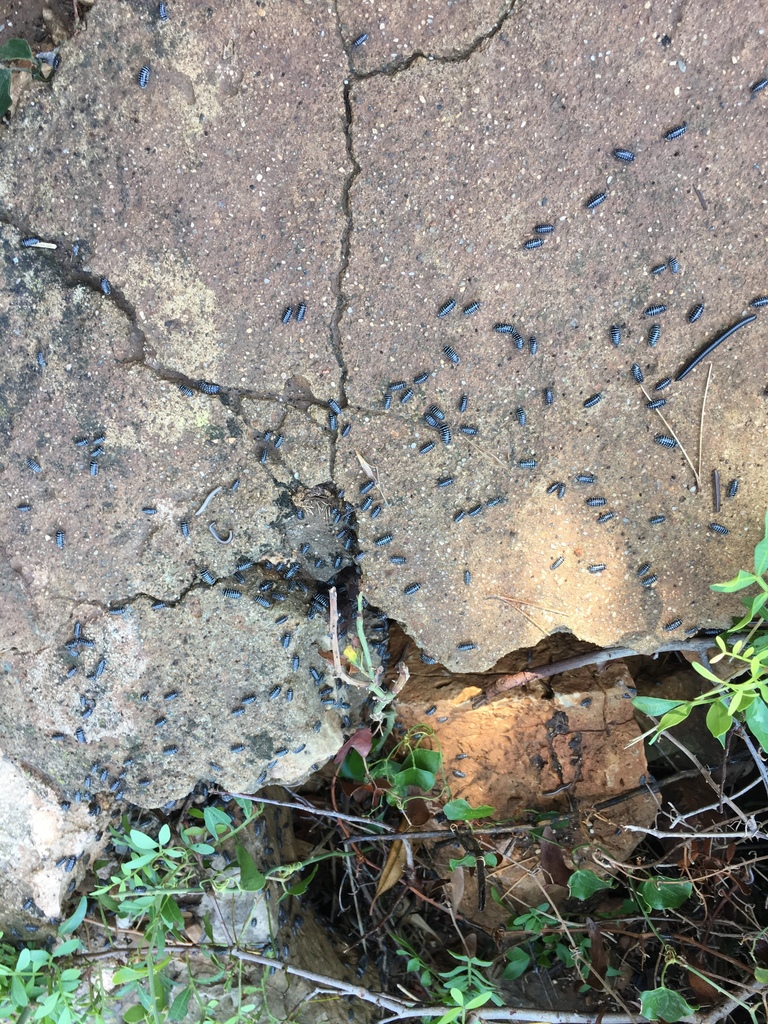
The Dairy Cow isopod is a color morph of Porcellio laevis, a fast-moving, medium-to-large isopod species originally from southern Europe and North Africa. Adults reach about 18-20mm and sport a gorgeous high-contrast pattern of irregular black and white splotches — exactly like a Holstein cow, hence the name. They have smooth, glossy exoskeletons that give them a polished, almost plastic appearance compared to rougher species like Porcellio scaber.

This is hands-down one of the most recommended species for anyone getting into isopods. Dairy Cows are prolific breeders, tolerant of a wide range of conditions, and bold enough that you'll actually see them out and about rather than hiding 24/7. They're one of the top choices for bioactive cleanup crews in reptile and amphibian enclosures, and their striking appearance makes them just as popular as display pets in their own dedicated setups. They're active, they're hungry, and they get to work fast on decaying organic matter.

One thing to keep in mind: P. laevis are protein-hungry compared to many other isopod species. If you're keeping a large colony and don't provide adequate protein, they can occasionally nibble on freshly molted individuals or even small, vulnerable tankmates. This isn't a dealbreaker at all — just feed them well and they'll behave themselves.

Care requirements

Temperature
68-82°F (room temperature is perfectly fine)°F
Humidity
60-80% on the moist side, with a dry side gradient%
Enclosure
Plastic tub, glass terrarium, or sterilite bin with ventilation. A 6-quart container works for a starter colony, but a 15-30 quart bin gives them room to really establish. Make sure there's airflow — stagnant air promotes mold and grain mites.
Size
Minimum 6-quart for a small starter group, 15+ quart recommended for a breeding colony. These guys reproduce quickly, so plan ahead.
Substrate
A mix of organic topsoil (no fertilizers or perlite), sphagnum peat moss, and hardwood leaf litter works great. Many keepers add a generous layer of crushed limestone or cuttlebone pieces mixed into the substrate for calcium. Aim for 2-4 inches of substrate depth. Keep one side moist and the other dry so they can self-regulate.
Diet
Hardwood leaf litter (oak, magnolia, or maple) should always be available — this is their primary food source and they'll mow through it. Supplement 2-3 times per week with vegetable scraps like carrot, zucchini, squash, or sweet potato. Provide a protein source once a week: dried shrimp, fish flakes, freeze-dried bloodworms, or even a bit of dry dog or cat food. Sprinkle cuttlebone powder or crushed eggshell on food for extra calcium, especially if you notice thin or damaged molts.
Water
No standing water — isopods drown easily. Mist one side of the enclosure every 2-3 days to maintain a humidity gradient. The moist side should feel damp when you press your finger into the substrate, but never waterlogged. Sphagnum moss clumps on the wet side help hold moisture nicely.
Important notes
The biggest beginner mistake is keeping the entire enclosure uniformly wet. You need a moisture gradient — wet side, dry side. Dairy Cows are more drought-tolerant than many species but they still need access to moisture for gill respiration. Always provide plenty of leaf litter; a bare enclosure stresses them out and removes their primary food. Protein deficiency in large colonies can lead to cannibalism of freshly molted individuals, so don't skip those weekly protein offerings. If you're using them as a cleanup crew in a bioactive setup, seed the enclosure with at least 15-20 individuals to get a viable colony going.

Did you know?

No two Dairy Cow isopods have the same pattern — their black and white markings are completely unique, like fingerprints. Selective breeding for higher white coverage is a popular project in the hobby.
Porcellio laevis is one of the fastest isopod species commonly kept in the hobby. They're sometimes called 'the racecar of isopods' because they bolt when disturbed, which can make transferring them a hilariously chaotic experience.
Female Dairy Cows carry their developing babies in a fluid-filled pouch called a marsupium on their underside — functionally similar to a kangaroo's pouch. A single brood can produce 30-70+ tiny white mancae (baby isopods).

Common questions

How many Dairy Cow isopods should I start with?
For a standalone colony, start with at least 10-15 individuals to ensure genetic diversity and enough population density for reliable breeding. If you're seeding a bioactive enclosure, 15-25 is a better starting point. They breed fast, so even a modest starter group will explode within a few months under good conditions.
Can Dairy Cow isopods live with my reptile or amphibian?
Absolutely — this is one of the most popular cleanup crew species for bioactive vivariums. They thrive in setups with ball pythons, leopard geckos, crested geckos, dart frogs, and many other species. Just make sure the enclosure conditions overlap with P. laevis needs and that the leaf litter layer is generous enough for them to hide and breed faster than they get eaten.
Why are my Dairy Cow isopods dying after molting?
Failed molts are almost always a calcium deficiency issue. Make sure cuttlebone or crushed eggshell is always available in the enclosure. Also check your moisture gradient — isopods need access to a humid zone during molting, as their new exoskeleton needs moisture to properly harden. Protein deficiency can also cause colony members to attack vulnerable, freshly molted individuals.

Related species