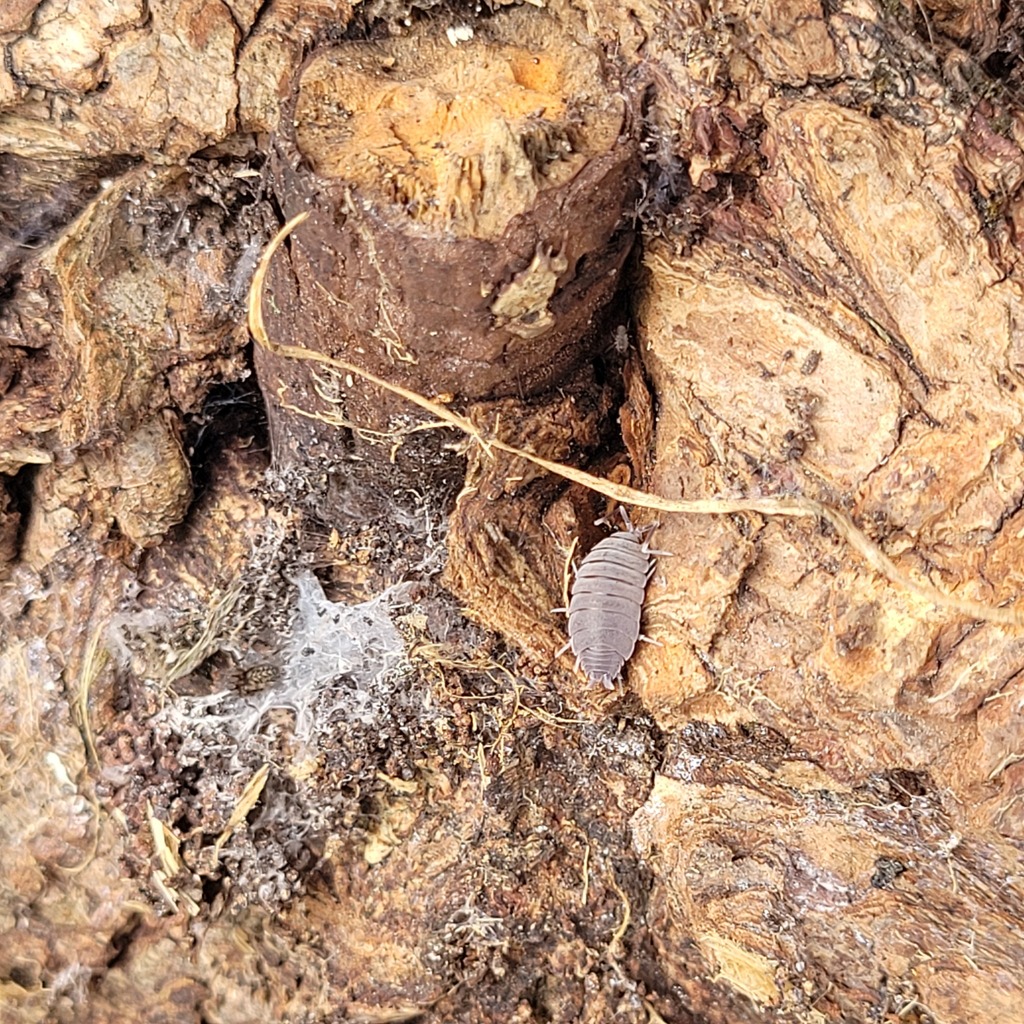
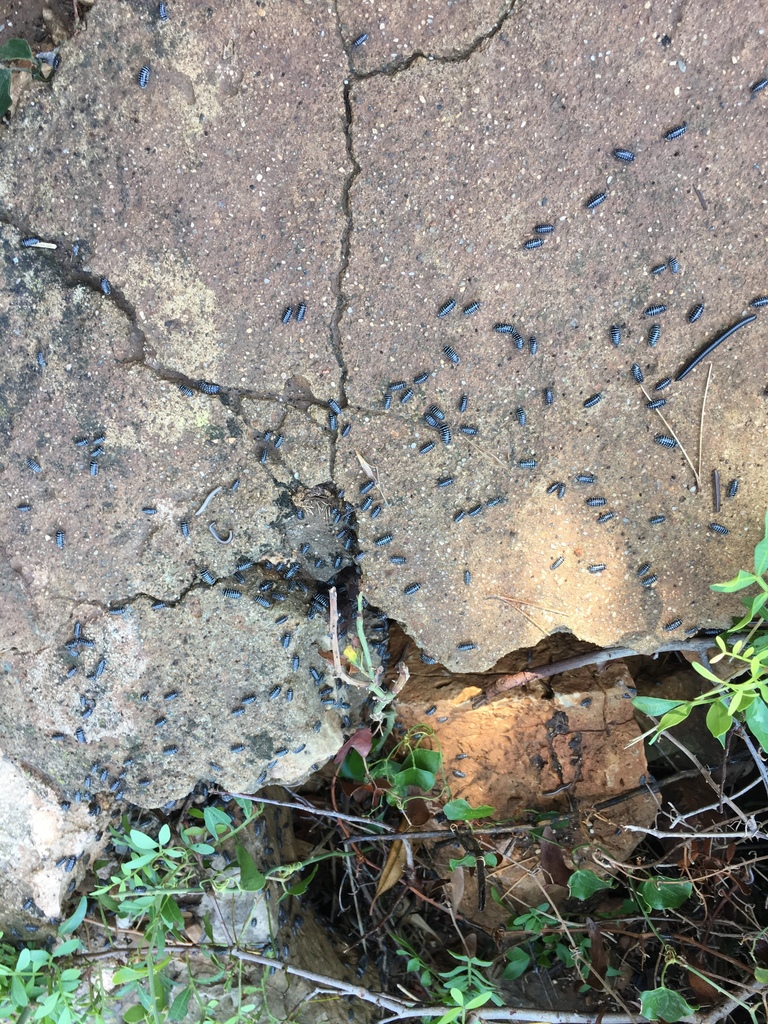
Cubaris sp. "Rubber Ducky"
About this species
The Rubber Ducky isopod is one of the most visually striking species in the hobby, and honestly, the hype is well deserved. Originating from limestone caves in Thailand, these little guys sport a smooth, rounded body with a bright yellow-cream head and a dark grey to black body — the combination genuinely looks like a tiny rubber duck. Adults reach about 2 cm in length, and their glossy, almost polished appearance sets them apart from the textured look of many other Cubaris species.
These isopods absolutely exploded in popularity around 2018-2020 when they first hit social media, and prices were astronomical — we're talking $300+ per individual at one point. Thankfully, as more keepers have successfully bred them, prices have come way down to a much more accessible range. They're shy and tend to ball up (conglobate) when disturbed, spending most of their time tucked under bark or limestone. Don't expect a display animal — you'll need to go looking for them, but the thrill of lifting a piece of cork bark and finding a cluster of babies is hard to beat.
While they're not the most difficult isopod to keep, Rubber Duckies are definitely not a starter species. They're less forgiving than Porcellio or Armadillidium when it comes to humidity and ventilation balance, and colonies can crash seemingly overnight if conditions slip. Start with at least 10-12 individuals to give your colony the best shot at establishing.
Did you know?
When Rubber Ducky isopods first entered the US hobby market around 2018, individual specimens sold for $250-$400 each, making them one of the most expensive isopod species ever traded among hobbyists.
Like other Cubaris species, Rubber Duckies can roll into a nearly perfect ball when threatened — a defense mechanism called conglobation that protects their soft underbellies from predators.
Their natural habitat is limestone caves in Thailand, which is why they're one of the few isopod species where keepers specifically add rocks to the enclosure — they genuinely seem to prefer resting against limestone surfaces.
Common questions
Why is my Rubber Ducky colony not breeding?
Slow reproduction is normal for this species — they're not Porcellio laevis. Make sure temps are stable around 74-78°F, humidity is adequate, calcium is always available, and you're offering varied protein once or twice a week. Most importantly, stop disturbing them. Constant checking stresses them out and can delay breeding. Give a new colony at least 3-4 months before expecting to see mancae.
Can I keep Rubber Ducky isopods in a bioactive terrarium?
Technically yes, but it's generally not recommended — especially if you're trying to grow your colony. They reproduce slowly and are shy, so in a large bioactive setup they may get picked off by reptile inhabitants or simply fail to establish a visible population. Most keepers breed them in dedicated tubs and only add surplus animals to bioactive setups once they have a thriving colony.
How many Rubber Ducky isopods should I start with?
At least 10-12 to give your colony genetic diversity and the best chance at establishing. Starting with fewer is risky — if you lose a couple early on or end up with a skewed sex ratio, your colony may never take off. Buying a group of 15-20 is ideal if your budget allows.