Clown Isopod

Clown Isopod

Armadillidium klugii
$5-12
Price
2-3 years
Lifespan
Beginner
Difficulty
Check availability & prices
View suppliers & Amazon options

About this species

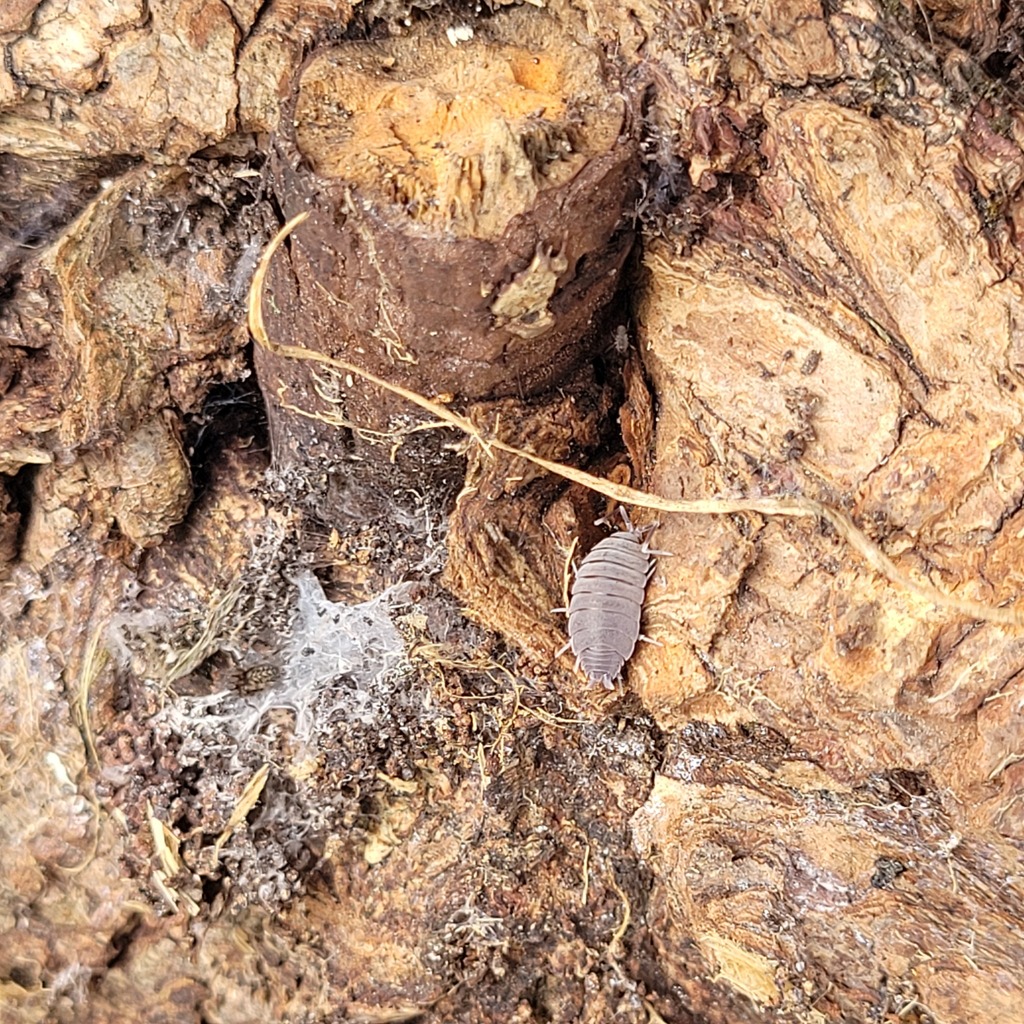
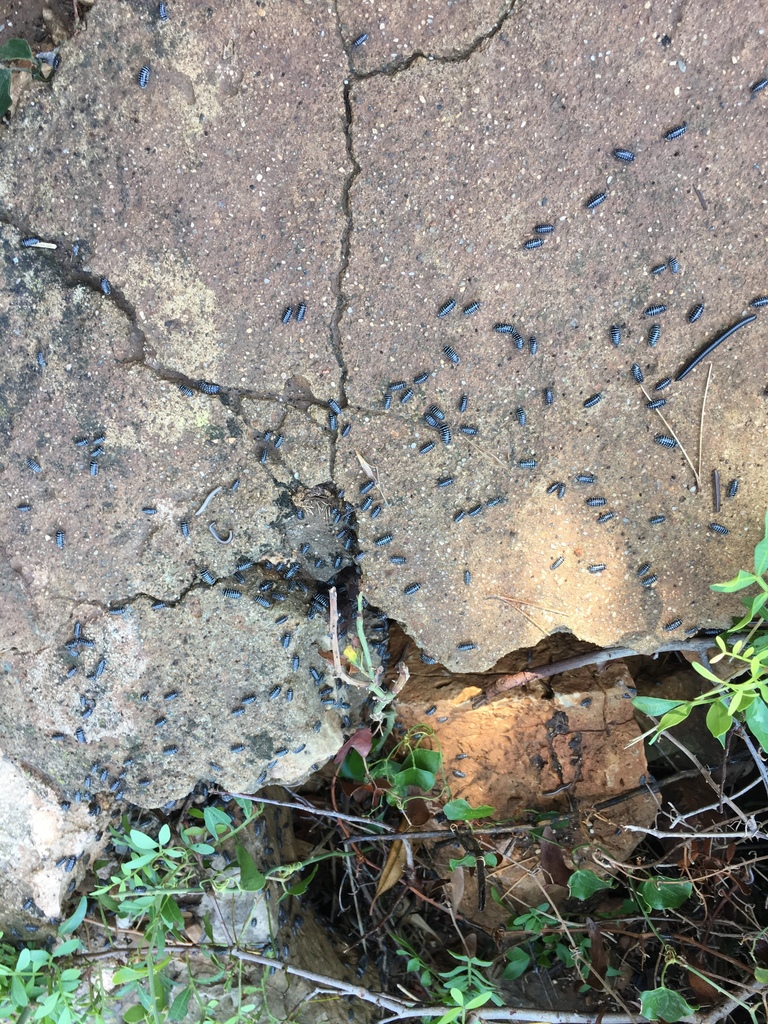
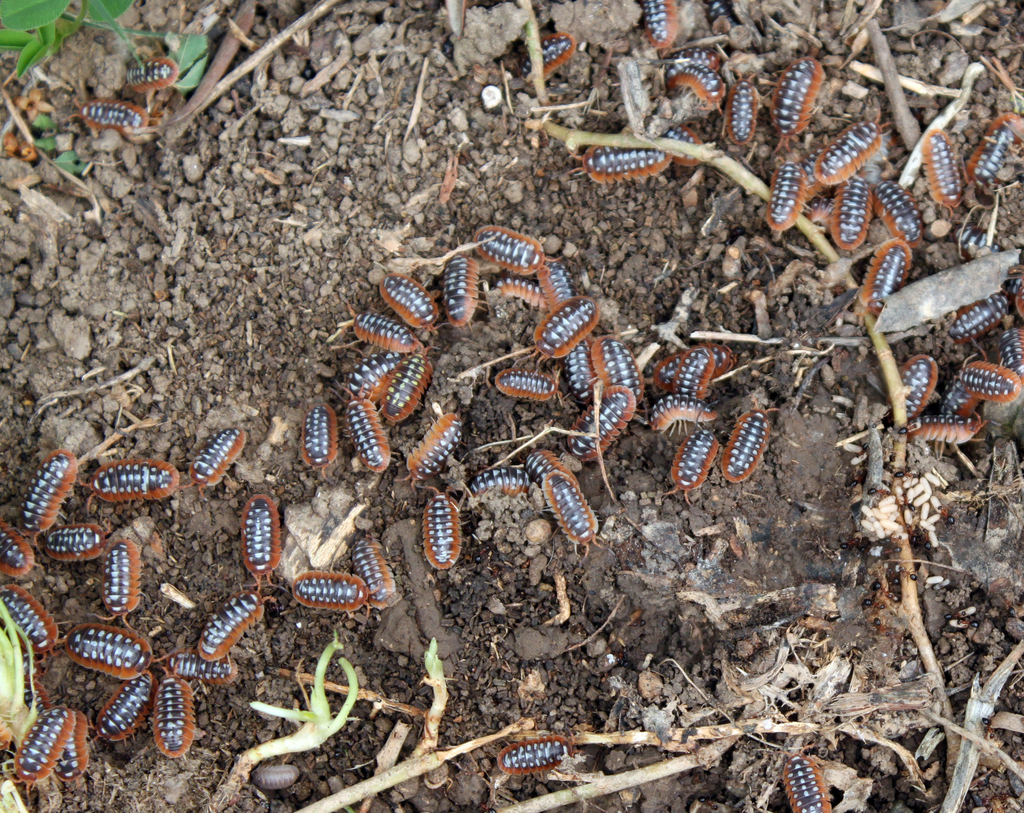
Armadillidium klugii is one of the most visually striking isopod species in the hobby, and it's easy to see where the "clown" name comes from. Native to the Mediterranean region — specifically parts of Croatia and surrounding coastal areas — these isopods sport bold, high-contrast patterns of cream, yellow, and dark brown or black arranged in irregular bands across their segmented bodies. They're a medium-sized Armadillidium, typically reaching about 18-20mm when fully grown. Like other members of the genus, they can roll into a tight ball when disturbed, earning the broader group the nickname "roly-polies" or "pill bugs."

Clown isopods have become a staple in the hobby because they combine stunning looks with genuinely manageable care requirements. They breed at a moderate pace — not as explosively as Porcellio laevis, but steadily enough that a starter culture of 10-15 individuals can become a thriving colony within six months to a year. They're great display animals since they're bold and active, often visible on the surface rather than hiding under cork bark all day. Keepers also use them as bioactive cleanup crews in reptile and amphibian enclosures, though their slightly slower reproduction rate means you'll want an established colony before seeding them into a vivarium.

One thing to keep in mind: A. klugii do best with a bit of calcium supplementation, which makes sense given their Mediterranean limestone habitat. They're not finicky, but they do appreciate slightly drier conditions compared to tropical species — a wet corner and a dry side is the way to go. Overwatering is probably the most common mistake new keepers make with this species.

Care requirements

Temperature
68-78°F (room temperature is usually perfect)°F
Humidity
50-70% with a moisture gradient%
Enclosure
A ventilated plastic tub or glass enclosure with a secure lid. Sterilite gasket bins or modified shoebox-sized containers work great for starter colonies. Drill or soldering-iron small ventilation holes along the top edges.
Size
A 6-quart tub works for a starter culture of 10-15 isopods. As your colony grows, upgrade to a 15-32 quart bin. These guys appreciate horizontal floor space more than height.
Substrate
A mix of organic topsoil (no fertilizers or pesticides), sphagnum peat moss, and hardwood leaf litter works beautifully. Aim for 2-3 inches of substrate depth. Many keepers add crushed limestone, cuttlebone fragments, or crushed eggshell mixed into the substrate to provide calcium. Add a generous layer of oak or magnolia leaf litter on top — this doubles as both food and shelter.
Diet
Leaf litter is the foundation of their diet — oak, magnolia, and maple leaves are all excellent. Supplement weekly with vegetable scraps like carrot, zucchini, squash, or sweet potato. Protein offerings like dried shrimp, fish flakes, or freeze-dried bloodworms once every 1-2 weeks help boost breeding. Always keep cuttlebone or calcium powder available. Remove uneaten fresh food within 48 hours to prevent mold.
Water
Do not use a water dish — isopods can drown easily. Instead, mist one side of the enclosure lightly every 2-3 days to maintain a moisture gradient. The dry side should stay genuinely dry. Use dechlorinated or spring water. If you see condensation all over the lid, you're misting too much.
Important notes
The biggest mistake with A. klugii is keeping them too wet. These are Mediterranean isopods that thrive with access to moisture but need dry retreats. Soggy, waterlogged substrate leads to mold blooms and die-offs. Always maintain a clear dry side and wet side gradient. Cork bark flats, egg carton pieces, or bark hides give them places to congregate. Avoid housing them with any species that might predate them before the colony is well-established — a colony of 50+ is a safer number before introducing them as a cleanup crew in a bioactive setup.

Did you know?

The specific epithet 'klugii' honors Johann Christoph Friedrich Klug, a German entomologist from the early 1800s — so technically, they're named after a beetle guy, not a crustacean expert.
Several locality variants of A. klugii exist in the hobby, including 'Montenegro,' 'Dubrovnik,' and 'Croatian Giant,' each with slightly different pattern intensities and color tones — collecting them all has become its own niche hobby.
Like all isopods, A. klugii breathe through gill-like structures called pleopodal lungs on their underside. They need some moisture to breathe, but they've adapted to drier environments far better than most tropical species.

Common questions

How many clown isopods should I start with?
A starter culture of 10-15 individuals is the sweet spot. This gives you enough genetic diversity and breeding potential to establish a colony without breaking the bank. Some sellers offer culture cups of 10 at a slight discount per head, which is your best value.
Can I keep Armadillidium klugii with other isopod species?
You can, but it's generally not recommended. In mixed-species setups, one species almost always outcompetes the other for food and shelter. Faster-breeding species like Porcellio scaber will eventually dominate. If you want variety, keep separate colonies in their own enclosures.
How fast do clown isopods breed?
A. klugii breeds at a moderate pace compared to prolific species like P. laevis or P. scaber. Expect females to produce broods of 20-40 mancae (babies) roughly every 6-8 weeks under ideal conditions. A well-maintained colony of 15 can grow to 100+ within 6-9 months. Warmer temperatures and consistent protein supplementation can speed things up.
Do clown isopods need a heat mat?
Usually not. If your home stays between 68-78°F, they'll do just fine at room temperature. If your house gets cold in winter (below 65°F consistently), a small heat mat on a thermostat placed on one side of the enclosure can help. Avoid placing the heat mat under the enclosure since it can dry out the substrate unevenly.

Related species