About this species
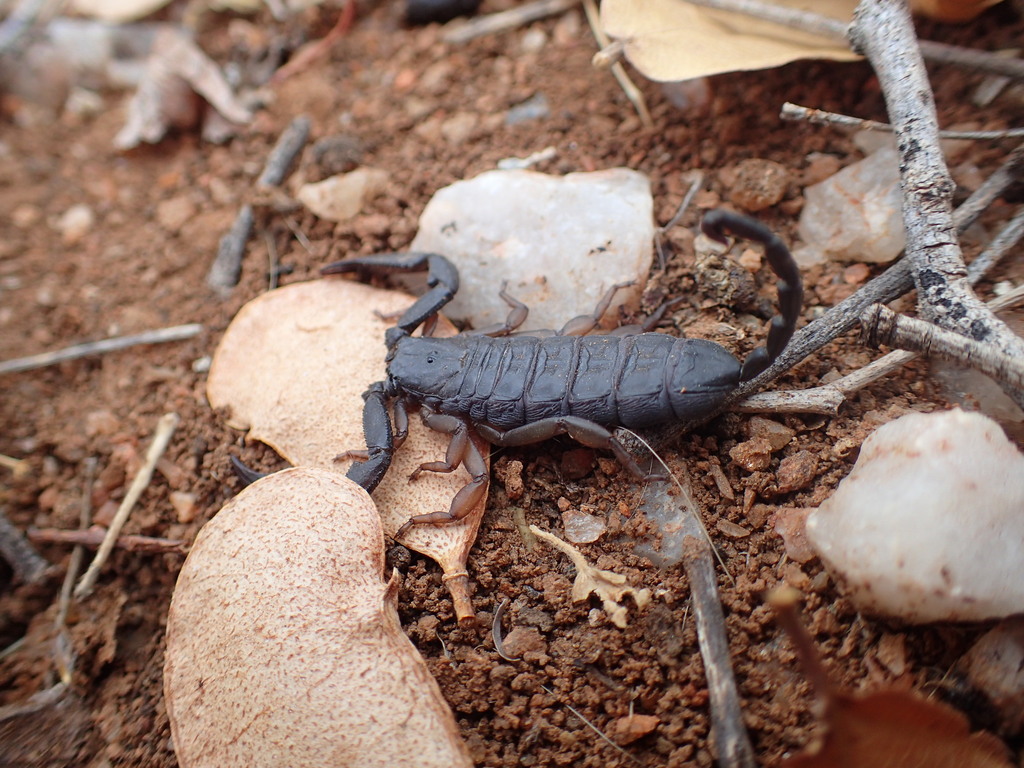
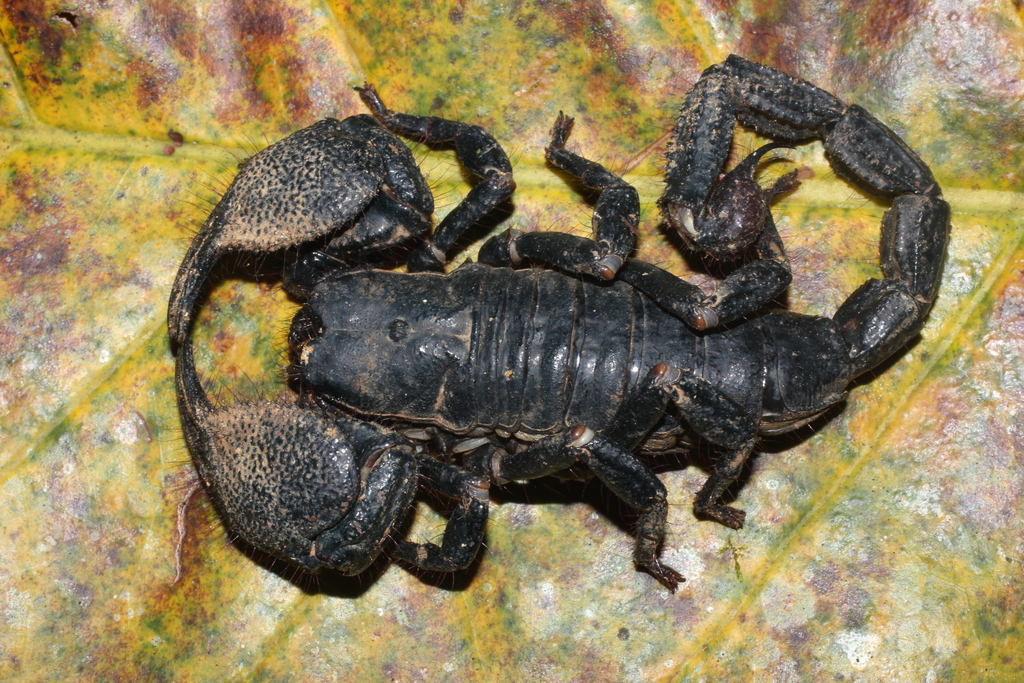
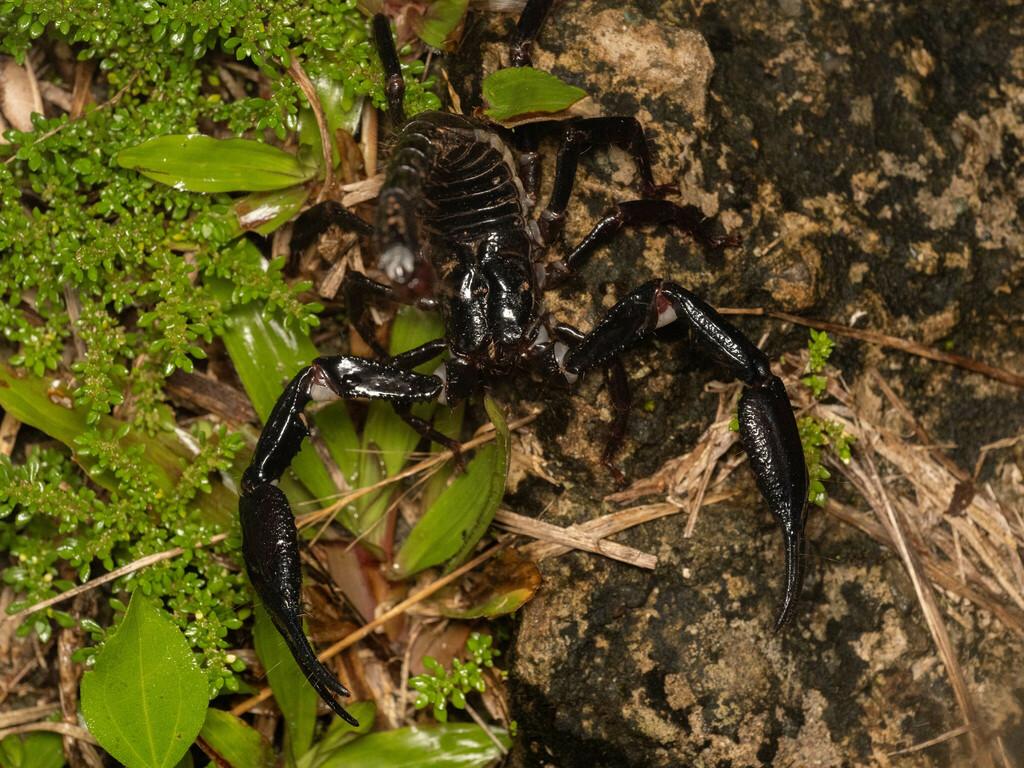
Hadogenes troglodytes holds the title of the longest scorpion species in the world, with adult females sometimes exceeding 8 inches from head to tail tip. Their most striking feature is their impossibly flat body profile — these scorpions have evolved to squeeze into the thinnest rock crevices in the granite kopjes of South Africa, Mozambique, and surrounding regions. Their coloration is typically a glossy dark brown to black, and their pedipalps (claws) are notably long, slender, and powerful relative to their body. That paper-thin profile isn't just cool looking — it's an incredibly specialized adaptation that makes them unlike anything else in the hobby.
Flat Rock Scorpions are popular among keepers who want something visually dramatic but relatively docile. Their venom is considered very mild — often compared to a mild bee sting — and they're far more likely to pinch you with those impressive claws than to sting. They tend to be slow-moving, shy, and spend most of their time wedged into tight spaces. That said, they're not a handling species; those long pedipalps deliver a surprisingly strong pinch, and stressed animals can be defensive. They're more of a fascinating display animal that rewards patience with occasional glimpses of really unique behavior.
One important caveat: almost all Flat Rock Scorpions in the hobby are wild-caught. Captive breeding is rare because females have extremely long gestation periods and small brood sizes. This means you should inspect any new arrival carefully for parasites and dehydration, and be aware that acclimation can take some time. Their incredible potential lifespan — potentially several decades — makes them a real long-term commitment.
Did you know?
Hadogenes troglodytes can flatten its body to less than 8mm thick, allowing it to squeeze into rock crevices that seem physically impossible for an animal of its length.
This species has one of the longest lifespans of any arachnid — verified records suggest they can live 25-30 years, and some keepers believe they may live even longer.
Despite being the longest scorpion in the world, their venom is among the weakest of all scorpions. They rely almost entirely on their powerful pedipalps to subdue prey, and their stinger is proportionally tiny compared to their body size.
Common questions
Can I handle my Flat Rock Scorpion?
You can, but it's not really recommended as a regular practice. Their venom is mild, so a sting isn't dangerous for most people, but those long claws pack a surprisingly strong pinch that can draw blood. They're also prone to stress from handling and are quite fast when spooked. They're best enjoyed as a display species.
Why is my Flat Rock Scorpion always hiding and I never see it?
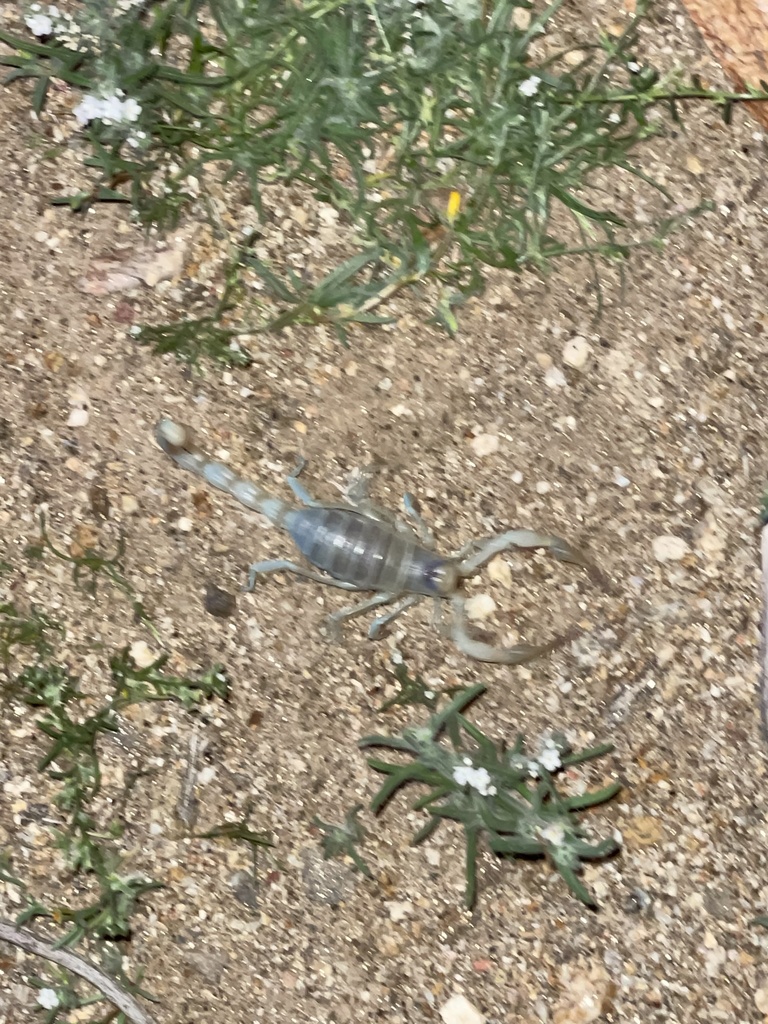
That's completely normal — in fact, it means your setup is correct. These are obligate crevice dwellers that spend the vast majority of their time wedged into tight spaces. You'll see them most often at night when they emerge to hunt. If you want better viewing, try a dim red light in the evening, or use a UV flashlight — they fluoresce beautifully under blacklight.
Can I keep multiple Flat Rock Scorpions together?
It's generally not recommended. While they're not as aggressive as some scorpion species, they are solitary in nature and will compete for prime hiding spots. Cannibalism can occur, especially if there's a size difference. If you want to attempt communal keeping, you'd need a very large enclosure with abundant crevice hides, and even then there's risk involved.