About this species
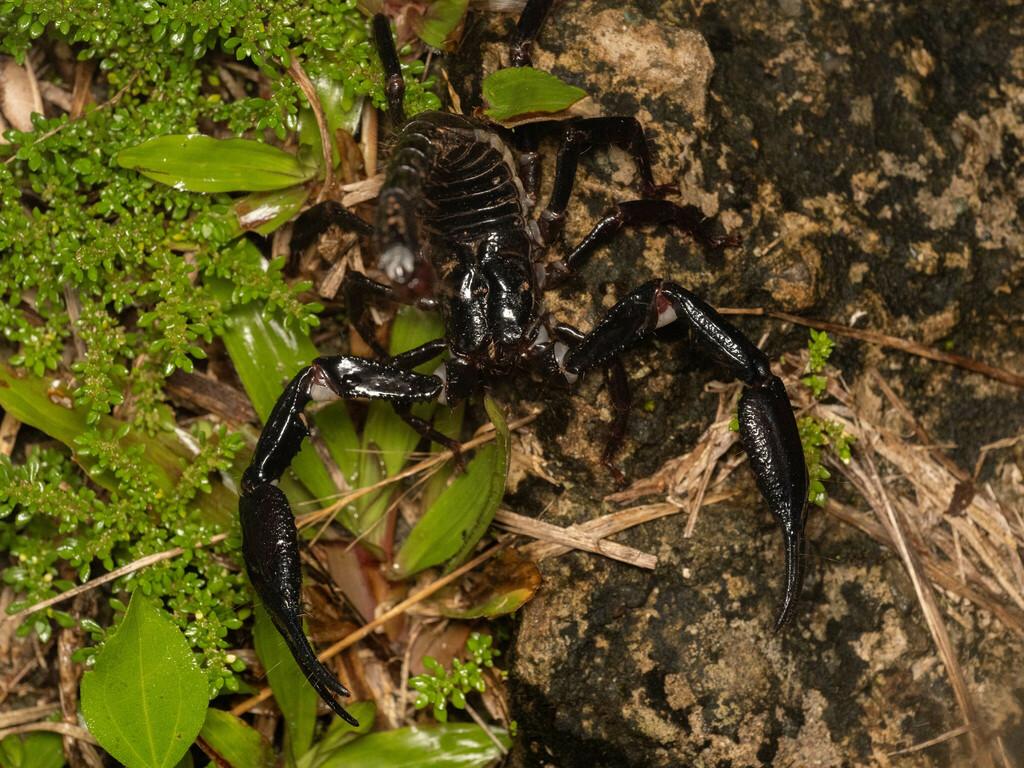
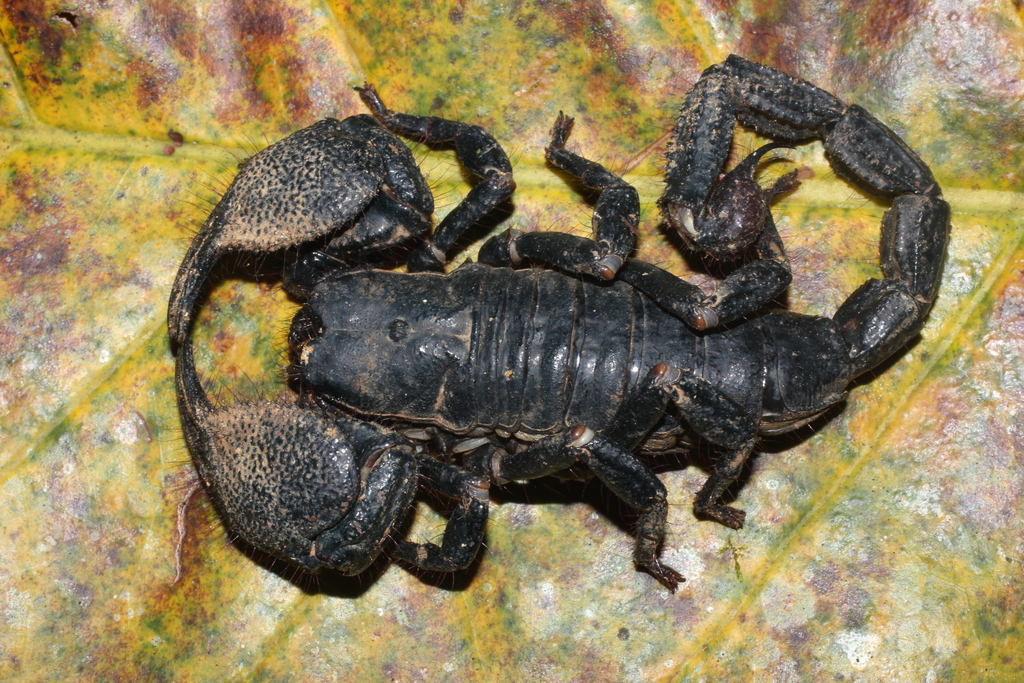
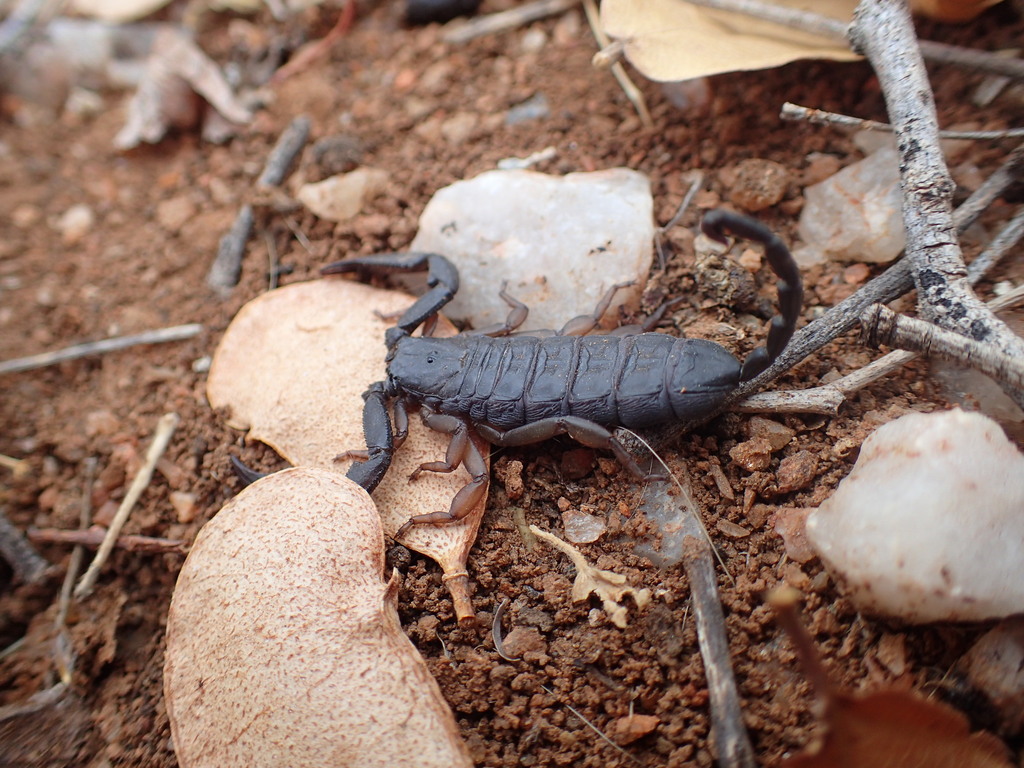
The Asian forest scorpion is a large, glossy black scorpion native to the tropical rainforests of Southeast Asia, including Malaysia, Thailand, and Indonesia. Adults typically reach 4-5 inches in length and sport impressively thick pedipalps (claws) relative to their body size. They look strikingly similar to the emperor scorpion (Pandinus imperator), and honestly, they're often confused at pet shops. Under UV light, they fluoresce a brilliant blue-green, which never gets old no matter how many scorpions you've kept.
These are one of the most commonly recommended scorpions for beginners, and for good reason. Their venom is mild — roughly comparable to a bee sting for most people — and they rely heavily on those big claws to subdue prey rather than their stinger. That said, they're noticeably feistier than emperor scorpions. Asian forest scorpions are quicker to adopt a defensive posture and will pinch if they feel threatened. They're not handlebar-friendly in the same way emperors are, so keep that in mind if you're looking for a 'hold-able' pet.
One thing to know up front: wild-caught specimens still dominate the market since emperors became harder to source due to CITES restrictions. This means your new scorpion may arrive stressed and dehydrated. Give it a week to settle in with access to water and a hide before you start worrying about feeding. Captive-bred individuals are occasionally available and tend to be calmer and healthier from day one.
Did you know?
Asian forest scorpions can detect prey vibrations through specialized sensory organs on their undersides called pectines, which essentially let them 'taste' the ground they walk on.
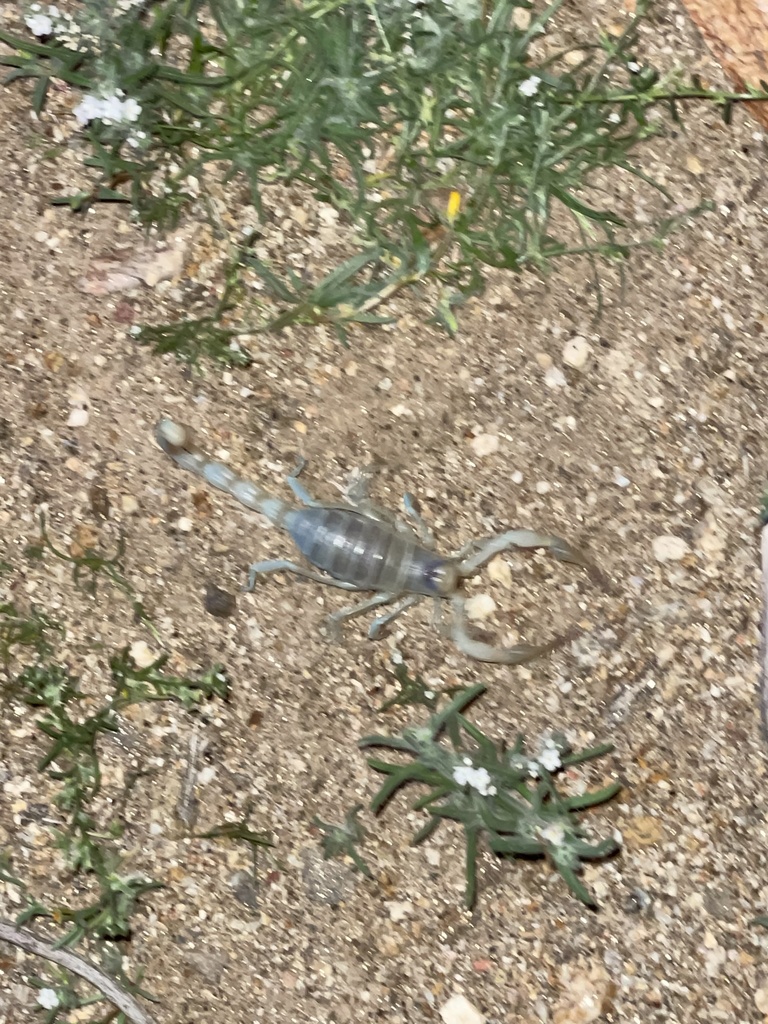
Their fluorescence under ultraviolet light is caused by a substance in their exoskeleton called beta-carboline. Freshly molted scorpions don't glow until the new exoskeleton fully hardens — so a UV flashlight is actually a handy way to tell if your scorpion recently molted.
Despite their intimidating appearance, Heterometrus longimanus mothers carry their babies (called scorplings) on their backs for weeks after birth, and the mother will actively defend and even pre-chew food for her young.
Common questions
What's the difference between an Asian forest scorpion and an emperor scorpion?
They look almost identical, but there are a few key differences. Asian forest scorpions (Heterometrus) tend to have more granular or textured claws compared to the smoother claws of emperors (Pandinus). Behaviorally, Asian forest scorpions are feistier and more likely to pinch or sting. Emperor scorpions are also now much harder to find commercially due to CITES protections, which is why Heterometrus species have become the go-to large black scorpion in the hobby.
Can I keep multiple Asian forest scorpions together?
You can, but it requires planning. Use a 20-gallon or larger enclosure, provide at least one hide per scorpion plus extras, and make sure everyone is roughly the same size. Feed consistently and generously — a hungry scorpion is much more likely to view a tankmate as food. Even with precautions, some keepers report occasional losses, so communal setups always carry risk.
My Asian forest scorpion hasn't eaten in two weeks — should I be worried?
Probably not. Scorpions have incredibly slow metabolisms and can go weeks or even months without eating. The most common reason for prolonged fasting is an upcoming molt. Make sure humidity is adequate, water is available, and the scorpion has a secure hide. If it's been over a month and the scorpion looks visibly shrunken or lethargic, then it's time to troubleshoot your husbandry parameters.