About this species
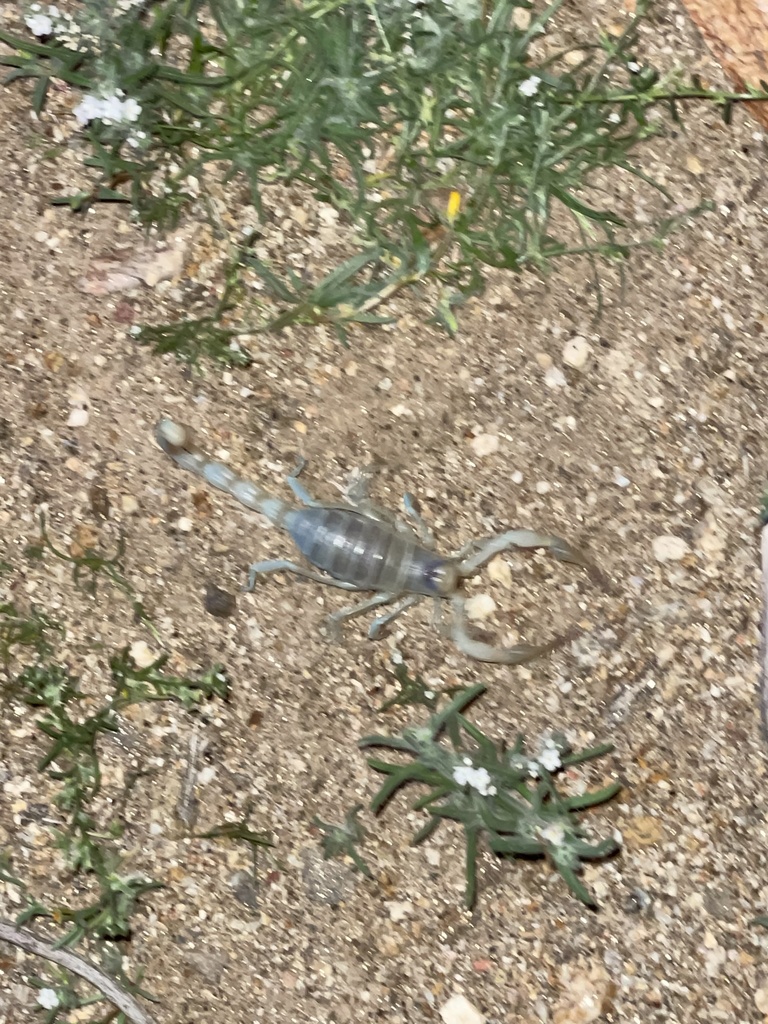
The Desert Hairy Scorpion is the undisputed heavyweight champion of North American scorpions, reaching 5-7 inches in total length. Native to the Sonoran and Mojave deserts of Arizona, Nevada, Utah, and California, this species gets its common name from the brown sensory hairs (setae) covering its body and appendages. Adults sport a tan to olive-yellow body with a darker dorsal surface, and their large, robust pedipalps (claws) give them a powerful, prehistoric look that's hard to beat in any scorpion collection.
These scorpions are bold, active, and endlessly entertaining to watch. Unlike many scorpion species that spend most of their time hiding, Hadrurus arizonensis is a surprisingly visible pet that will patrol its enclosure, dig elaborate burrows, and actively hunt prey with impressive speed. Their sting is considered mild for a scorpion — often compared to a bee sting — but they tend to prefer using those big claws to subdue prey rather than relying on venom. That said, they are fast and feisty, so handling is generally not recommended.
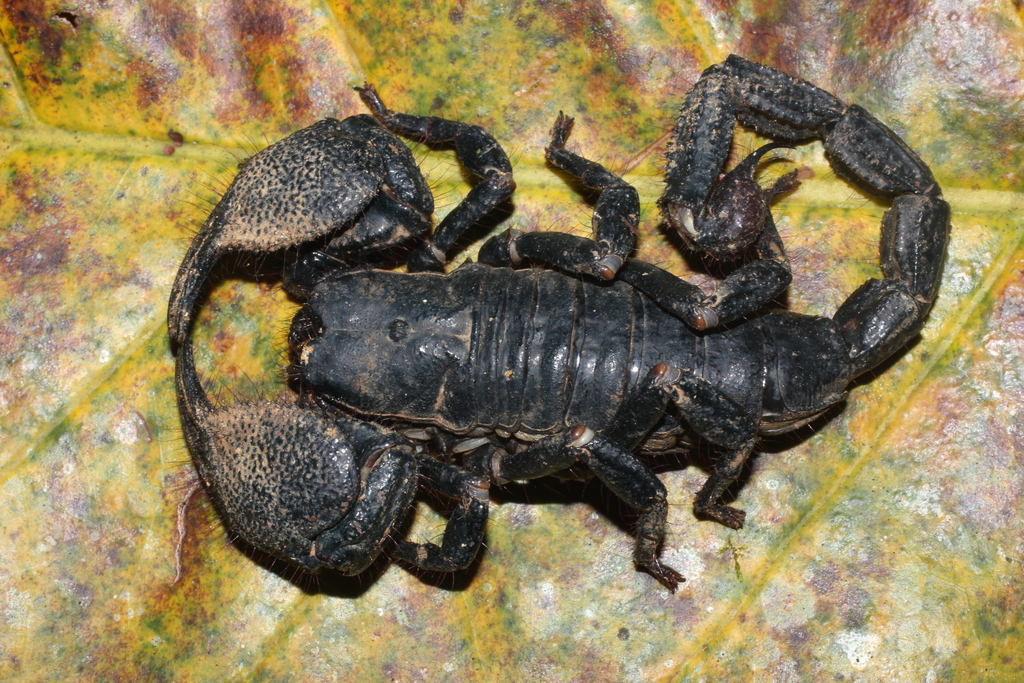
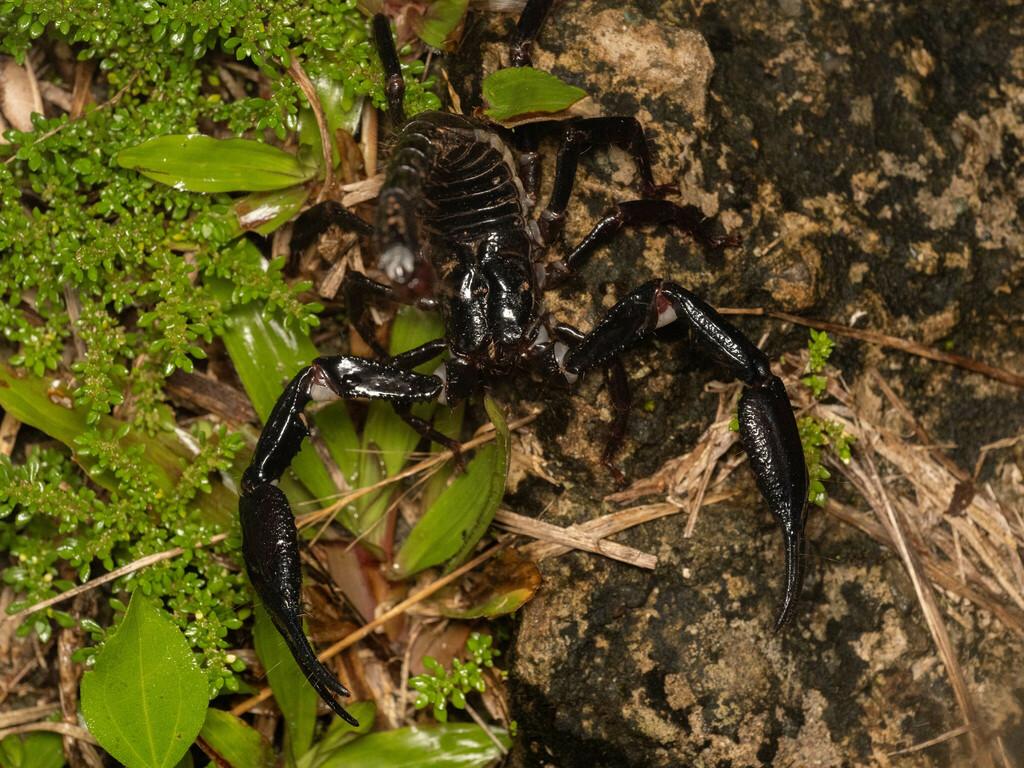
One thing that trips up new keepers is treating this like a tropical scorpion. Desert Hairy Scorpions need dry conditions and will decline rapidly in humid setups. If you've kept emperor scorpions before, you essentially need to do the opposite of everything you did for them. This is a dry-climate obligate species, and excess moisture is the number one killer in captivity.
Did you know?
Desert Hairy Scorpions can live over 25 years in captivity, making them one of the longest-lived invertebrate pets you can own — potentially outlasting a dog or cat.
The sensory hairs covering their body can detect air vibrations and ground movement, essentially giving them a 360-degree motion detector that helps them hunt in total darkness.
Like all scorpions, Hadrurus arizonensis fluoresces bright blue-green under UV/blacklight due to compounds in their exoskeleton. Scientists still aren't entirely sure why this happens, but it makes for an incredible display at night.
Common questions
How painful is a Desert Hairy Scorpion sting?
Most keepers compare it to a bee sting — sharp pain at the site that fades within a few hours. The venom is considered mild and not medically significant for healthy adults. However, individual reactions vary, and anyone with known insect venom allergies should be extra cautious. These scorpions would rather pinch you with their claws than sting, but if you get tagged, clean the area and monitor for unusual reactions.
Can I keep multiple Desert Hairy Scorpions together?
Absolutely not. Hadrurus arizonensis is highly cannibalistic and territorial. Even with plenty of space and food, one scorpion will eventually kill and eat the other. The only time two should be in the same enclosure is during a carefully supervised breeding attempt, and even then the male needs an escape route.
My Desert Hairy Scorpion hasn't eaten in weeks — should I be worried?
Not necessarily. These scorpions are adapted to feast-and-famine cycles in the wild and can go weeks or even months without eating, especially before a molt. If your temperatures and humidity are correct and the scorpion is otherwise active, just keep offering food every week or so. If it's lethargic, discolored, or the enclosure is too humid, those are the red flags to investigate.