About this species
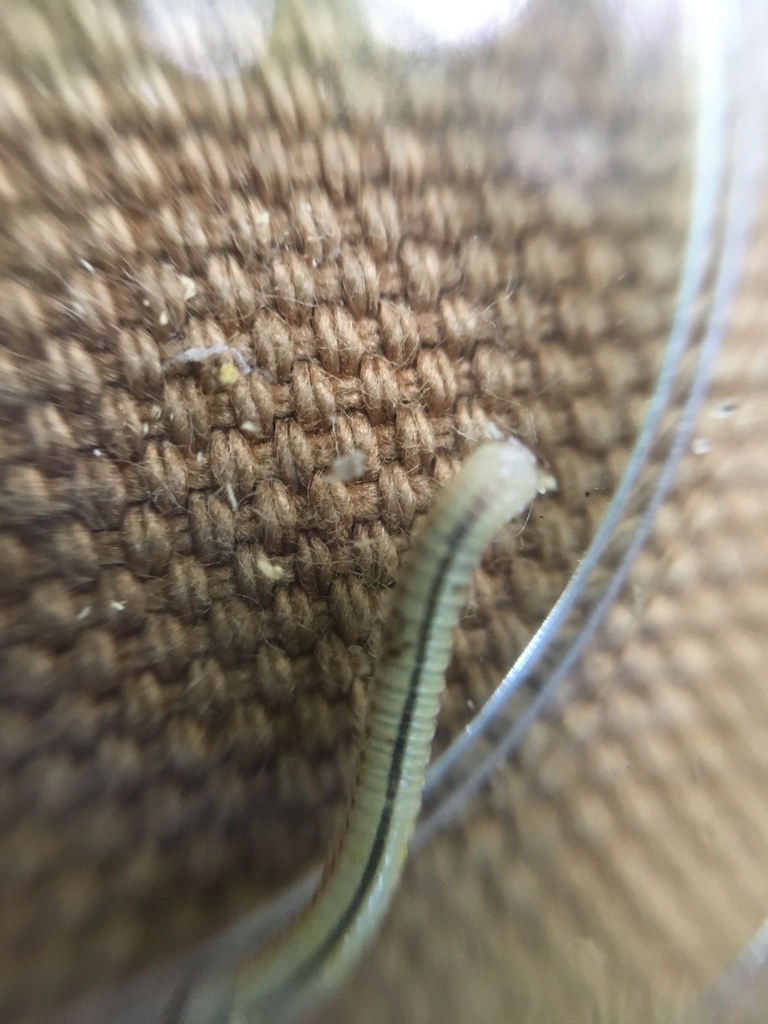
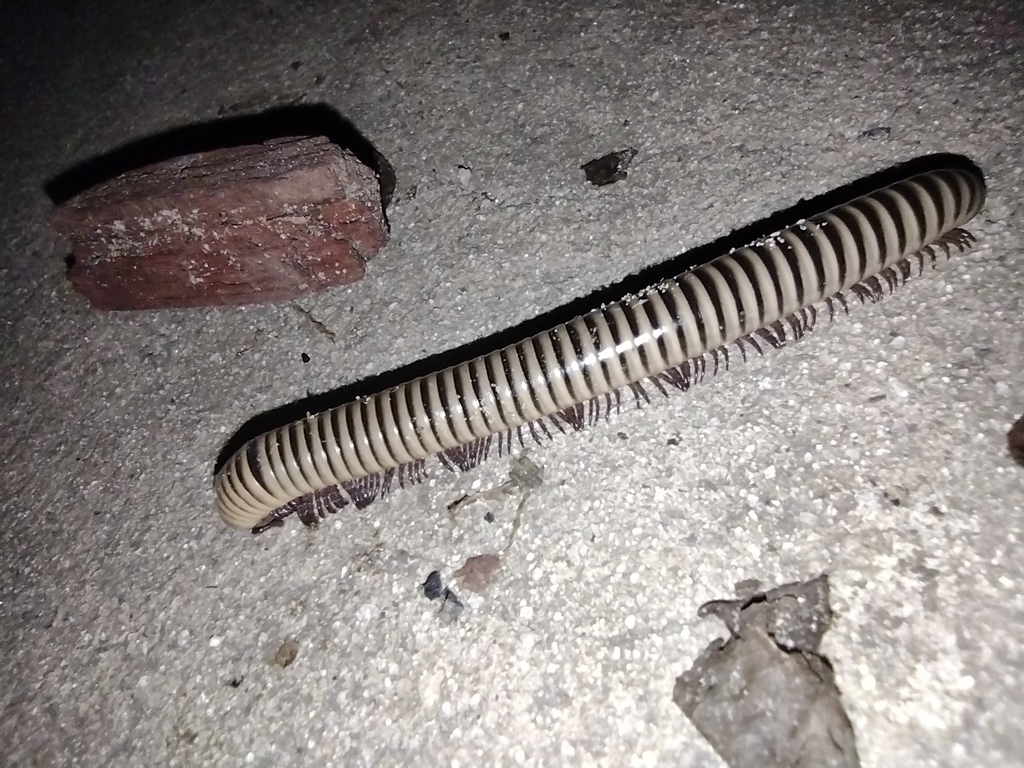
Archispirostreptus gigas is the species most people picture when they hear "giant millipede," and for good reason — these animals regularly hit 10-12 inches in length and can occasionally push past that. They're native to the tropical and subtropical forests of East Africa, particularly in countries like Tanzania, Kenya, and Mozambique. Their glossy black or dark brown exoskeleton is made up of dozens of segments, each bearing two pairs of legs, giving them that hypnotic flowing movement that makes them so mesmerizing to watch. They're thick-bodied, sturdy animals that feel surprisingly substantial when you hold one.
This is hands-down one of the best entry points into invertebrate keeping. Giant African Millipedes are docile, slow-moving, and almost never defensive. They're fantastic for handling — they'll calmly walk across your hands and arms with hundreds of tiny feet that feel like gentle bristles. Kids love them, adults love them, and they make incredible educational animals. If you've never kept an invert before and want something impressive that won't stress you out, this is your species.
One thing to be aware of: like all millipedes, they can secrete a mild irritant from their ozopores (small pores along their body segments) when stressed. This liquid can stain skin and irritate eyes, so always wash your hands after handling. It's not dangerous, but it's a good habit. Also, wild-caught specimens are still common in the trade, so expect some variability in size and temperament.
Did you know?
Despite the name 'millipede' meaning 'thousand feet,' Archispirostreptus gigas typically has around 256 legs — still more than any other commonly kept pet.
Giant African Millipedes play a critical ecological role as decomposers, converting dead plant material into nutrient-rich soil. A healthy colony can process a surprising volume of leaf litter, essentially doing the same composting work as earthworms.
When threatened, they curl into a tight spiral to protect their soft underbelly, relying on their hard dorsal plates as armor — a defensive strategy that has remained essentially unchanged for over 400 million years, making millipedes one of the oldest land animal groups on Earth.
Common questions
Can I keep multiple Giant African Millipedes together?
Absolutely. These are communal animals and do well in groups. In fact, many keepers report that they seem more active and comfortable with companions. Just make sure your enclosure is large enough — add about 5 gallons of tank space per additional millipede, and provide plenty of substrate depth and hiding spots like cork bark or leaf litter piles.
Why is my millipede burrowed underground and not moving?
Nine times out of ten, it's molting. Millipedes will bury themselves for extended periods — sometimes weeks — while they shed their exoskeleton and grow new segments. Leave it alone, keep the substrate moist, and resist the urge to dig it up. Disturbing a molting millipede can be fatal since their new exoskeleton is extremely soft and vulnerable.
Is the defensive secretion dangerous to humans?
Not dangerous, but it can be irritating. The secretion contains benzoquinones, which can stain your skin a yellowish-brown color and cause mild irritation, especially if it gets in your eyes or on mucous membranes. Just wash your hands after handling and you'll be fine. If your millipede starts curling up or you notice a faint chemical smell, that's your cue to gently put it back.
How can I tell if my millipede is wild-caught or captive-bred?
Most Archispirostreptus gigas in the hobby are still wild-caught, though captive breeding is becoming more common. Wild-caught adults tend to be larger and may have minor scarring or worn exoskeletons. Captive-bred specimens are sometimes sold as juveniles and may be smaller at the time of purchase. Ask your seller directly — reputable dealers will be transparent about origin.