About this species
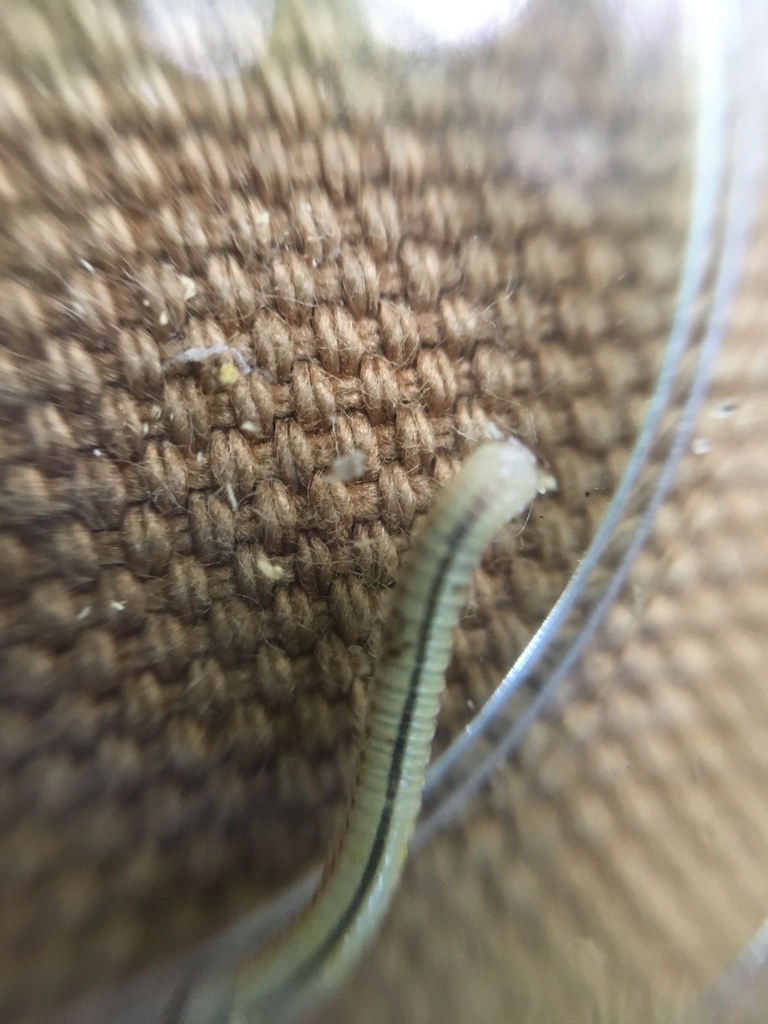
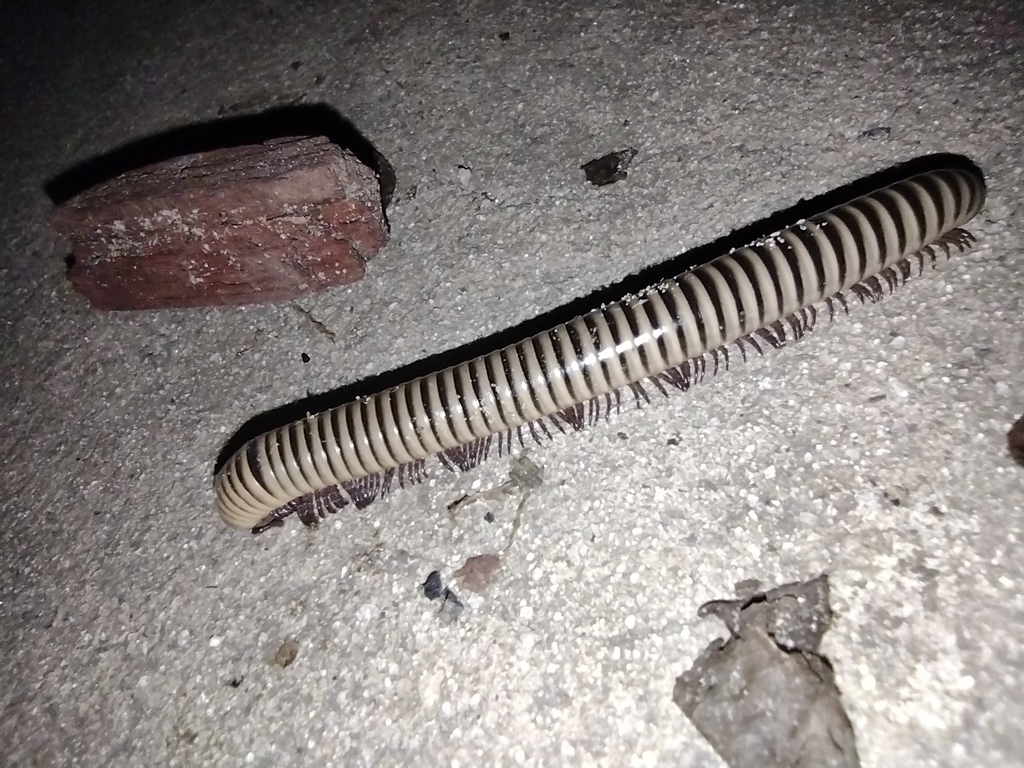
The bumblebee millipede is one of the most visually striking millipedes available in the hobby, featuring bold alternating bands of jet black and bright yellow across its segmented body. Native to the Caribbean — primarily Jamaica and surrounding islands — this species has also established introduced populations in parts of southern Florida. Adults typically reach 3-4 inches in length, making them a manageable size that's perfect for display enclosures. Their round, julid body shape gives them that classic 'worm millipede' look that most people picture when they think of millipedes.
These are fantastic beginner millipedes and one of the most commonly recommended entry points into the hobby. They're active, hardy, and surprisingly social — you'll frequently find them clustered together under bark or leaf litter. Unlike some of the giant African species, bumblebees are small enough to keep a colony in a modest enclosure, and watching a group of them munch through leaf litter is genuinely relaxing. They're completely docile and handle well, though like all millipedes they can secrete mild defensive chemicals if stressed, so wash your hands after holding them.
Because they're prolific breeders in captivity, bumblebee millipedes are widely available and very affordable. If you set up their enclosure correctly, don't be surprised when you start finding tiny curled-up babies in the substrate. They're one of the easiest invertebrates to breed without even trying.
Did you know?
Bumblebee millipedes can have over 60 body segments and well over 200 legs — despite the name 'millipede,' no species actually has 1,000 legs, though some get close.
Their bright yellow and black banding is a form of aposematic coloration — it warns predators that they produce noxious chemical secretions containing benzoquinones, which are the same compounds used in some photographic developing chemicals.
In parts of southern Florida, feral populations of bumblebee millipedes sometimes emerge in massive swarms after heavy rains, occasionally making local news when thousands of them cross roads or invade garages.
Common questions
Can I keep bumblebee millipedes together in groups?
Absolutely — they're communal and actually thrive in groups. In the wild they aggregate naturally, and keeping them together often leads to less stress and more natural behavior. A group of 5-10 in a 10-gallon setup is a great starting colony, and you'll likely see babies within a few months.
How do I know if my substrate is good enough for them?
If you grab a handful and squeeze it, a few drops of water should come out but it shouldn't be dripping wet. You should see actual decomposing leaf material and softened wood throughout. If your millipedes are actively eating the substrate and producing frass (tiny pellet-like droppings), you're in good shape. Replace or supplement the leaf litter layer as it gets consumed — a bare substrate surface means they need more food.
My millipede is curled up and not moving — is it dead?
Not necessarily. Millipedes curl into a tight spiral when they're molting, resting, or stressed. If you find one curled up in the substrate, leave it alone for a day or two. During molting they're extremely vulnerable and should never be disturbed. A dead millipede will typically be stretched out, stiff, and may have a noticeable odor after a day or so.