About this species
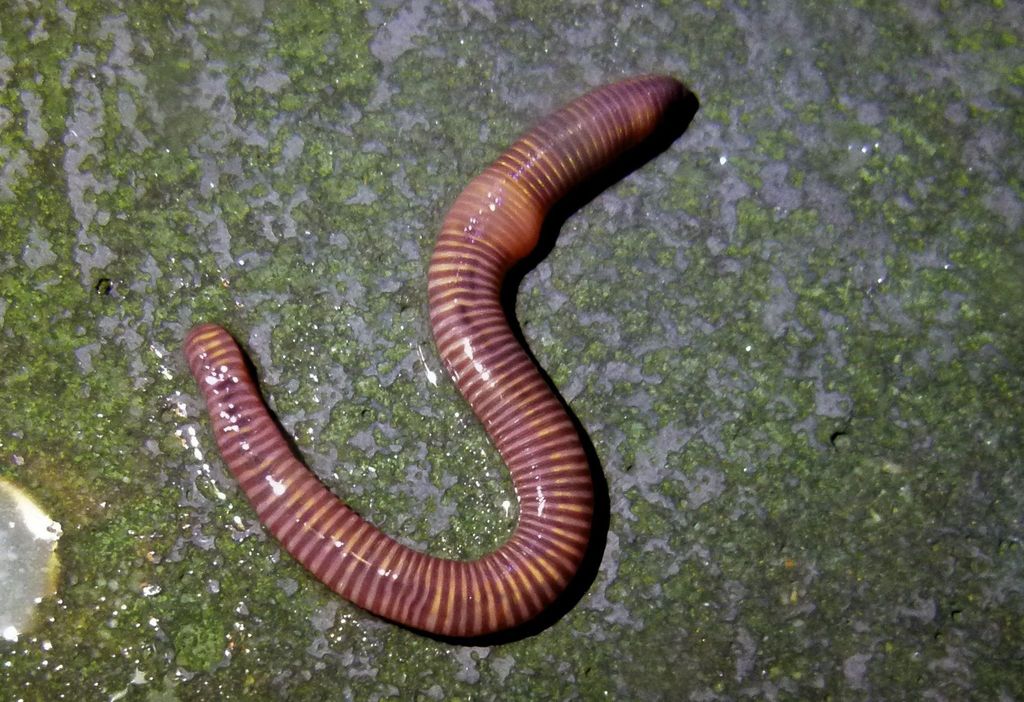
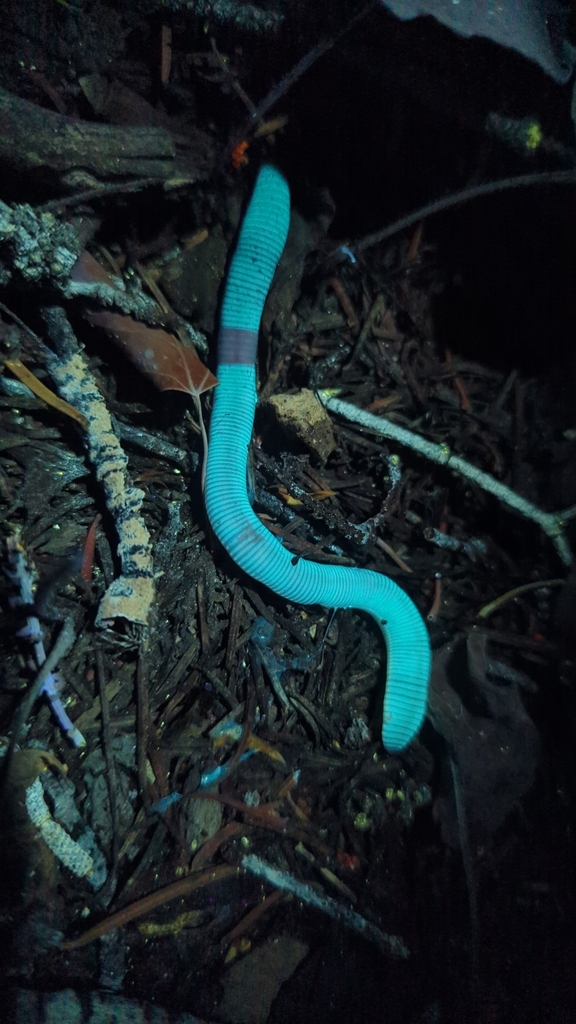
The European Nightcrawler sits in the sweet spot between composting worm and fishing bait — and that dual-purpose appeal is exactly why they've become one of the most popular worm species in the US. Larger and more robust than their Red Wiggler cousins, these worms grow to 3-4 inches long with a distinctive blue-grey sheen and a banded, segmented body. Originally from Europe (as the name gives away), they've been cultivated commercially for decades and have earned a loyal following among both vermicomposters and anglers.
What makes European Nightcrawlers special is their versatility. They're excellent composters that process organic waste efficiently, though not quite as voraciously as Red Wigglers. But where they really shine is as fishing bait — they're meatier, tougher on the hook, and more active in cold water than most alternatives. Many worm farmers raise both species: Red Wigglers for pure composting speed, and Europeans for a higher-value product they can sell to bait shops and fishing enthusiasts.
For backyard composters, Europeans are more forgiving than Red Wigglers when it comes to temperature swings. They tolerate cooler conditions better and can survive light frosts that would devastate a Red Wiggler bin. They're also less prone to attempting mass escapes during pressure changes or storms, which is a real plus if you've ever woken up to find your Red Wigglers exploring the garage floor.
Did you know?
European Nightcrawlers can consume roughly half their body weight in organic matter per day, converting kitchen scraps into nutrient-rich castings that gardeners call 'black gold'
Unlike Red Wigglers that stay near the surface, European Nightcrawlers are semi-burrowers that work deeper into the bedding — making them better at aerating soil when added directly to garden beds
A single European Nightcrawler cocoon typically hatches 1-2 baby worms (compared to 3-5 from a Red Wiggler cocoon), which is why they command a higher price per pound than their smaller cousins
Common questions
What's the difference between European Nightcrawlers and Red Wigglers?
Europeans are larger (3-4 inches vs 2-3), tougher, better for fishing bait, and more cold-tolerant. Red Wigglers reproduce faster and process waste quicker. Many serious vermicomposters keep both — Red Wigglers for maximum composting speed and Europeans for a more versatile worm that doubles as premium bait.
Can I use European Nightcrawlers in my garden soil?
Yes — and they're actually better for direct garden use than Red Wigglers. Their burrowing habit aerates soil and creates channels for water infiltration. Add them to raised beds or garden rows along with compost for best results.
How quickly will my European Nightcrawler population grow?
Slowly compared to Red Wigglers. Under good conditions, expect your population to double every 3-6 months. They produce cocoons every 2-3 weeks, with only 1-2 worms per cocoon. Patience is key — don't harvest until your colony is well established.