About this species
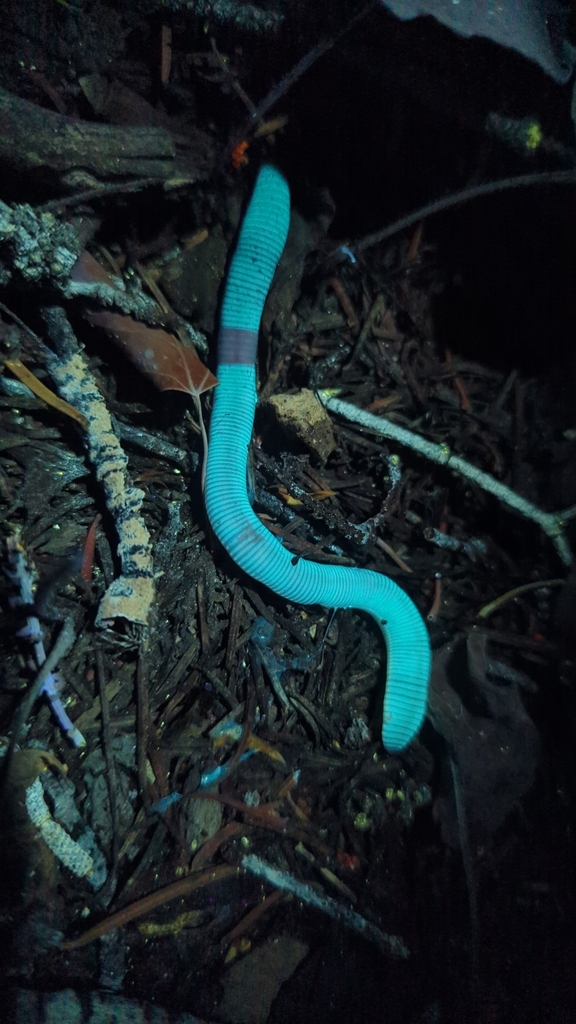
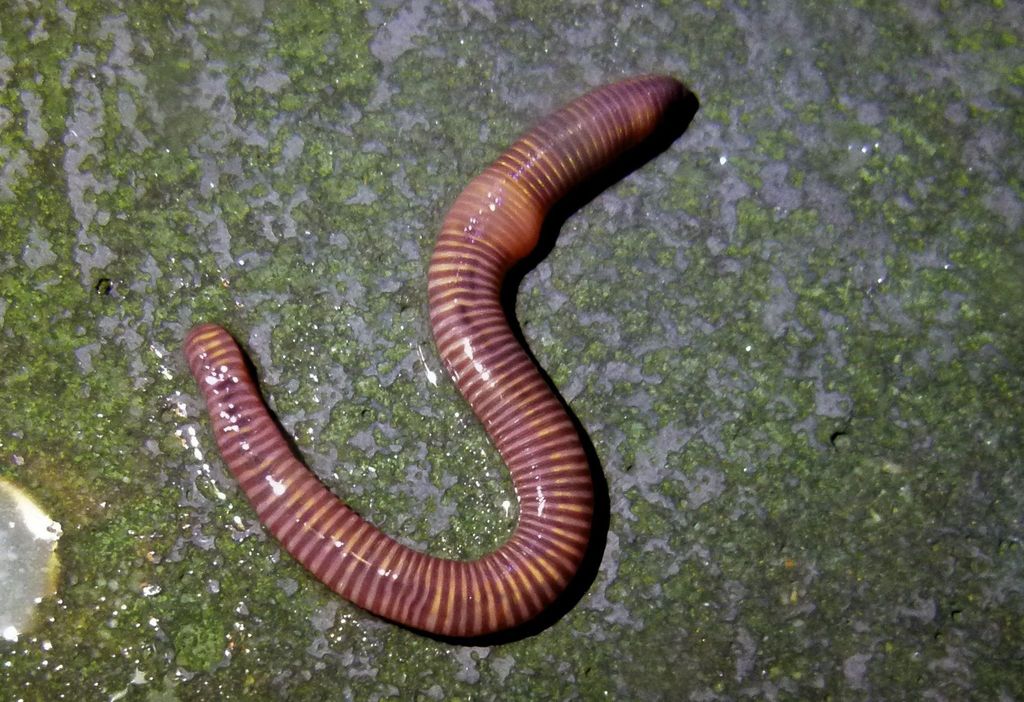
The Canadian Nightcrawler is the big daddy of fishing bait — the thick, muscular, 6-8 inch worm that every angler recognizes. If you've ever bought a styrofoam cup of worms from a gas station bait shop, these were almost certainly Canadian Nightcrawlers. They're the most commercially important bait worm in North America, with an industry worth hundreds of millions of dollars annually. Most commercial stock is actually wild-harvested from Canadian farms at night using headlamps (hence 'nightcrawler'), because these worms are notoriously difficult to breed in captivity.
Unlike composting worms that thrive in bins of rotting food, Canadian Nightcrawlers are deep-burrowing earthworms that create permanent vertical tunnels 3-6 feet into the ground. They emerge at night to feed on surface leaf litter, pulling it down into their burrows. This burrowing behavior makes them incredibly valuable for soil health — they're nature's tillers, creating channels that allow water and air to penetrate deep into compacted earth.
The challenge with Canadian Nightcrawlers is that they don't adapt well to typical worm bin setups. They need cool temperatures (40-60°F is ideal), deep soil, and space to burrow vertically. Most people buy them for fishing bait and store them in the fridge rather than trying to breed them. If you want a composting worm, go with Red Wigglers or European Nightcrawlers instead — Canadians are purpose-built for the hook.
Did you know?
The Canadian Nightcrawler bait industry is largely dependent on wild harvesting — professional 'worm pickers' work at night on Canadian golf courses, sod farms, and agricultural fields, collecting millions of worms by hand during rainy nights
A single Canadian Nightcrawler can burrow up to 6 feet deep and move 30 tons of soil per acre per year, making them one of the most important soil engineers on the planet
Despite being called 'Canadian,' Lumbricus terrestris is actually a European species that was introduced to North America centuries ago — possibly arriving in the soil ballast of ships or with imported plants
Common questions
Can I breed Canadian Nightcrawlers at home?
It's technically possible but extremely difficult and slow. They need deep, cool outdoor beds and reproduce much more slowly than composting worms. Most people who need a steady supply are better off buying in bulk. For home worm breeding, Red Wigglers or European Nightcrawlers are far more practical.
How long will Canadian Nightcrawlers survive in my refrigerator?
With proper bedding and occasional feeding, they can live 4-8 weeks in the fridge. Keep them at 40-50°F with damp (not wet) bedding, and change the bedding every 2-3 weeks. Remove any dead worms promptly — one dead worm can poison the whole container.
Why are Canadian Nightcrawlers better for fishing than Red Wigglers?
They're much larger (6-8 inches vs 2-3), tougher on the hook so they last longer, and their size and movement attract bigger game fish. Red Wigglers also exude a bitter fluid that some fish species reject, while Nightcrawlers don't have this issue.