About this species
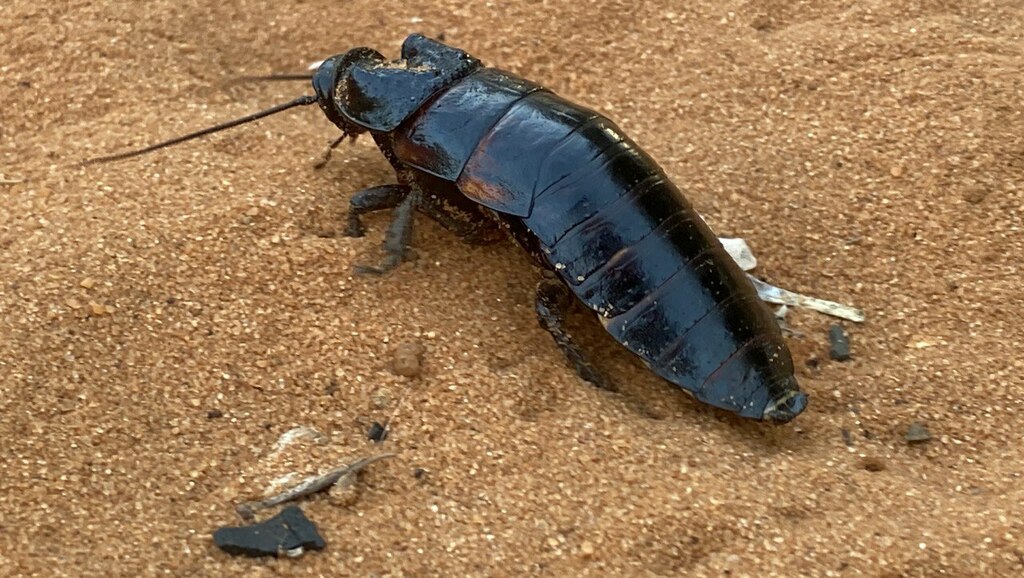
The Madagascar Hissing Cockroach is probably the most recognizable pet insect on the planet, and for good reason. These chunky, wingless roaches hail from the island of Madagascar, where they live on the forest floor among leaf litter and rotting logs. Adults reach 2-3 inches long with a glossy, dark brown to mahogany exoskeleton and prominent pronotal horns on males. They're one of the largest cockroach species in the hobby and have a surprisingly clean, almost polished appearance that wins over even the squeamish.
These are the gateway bug for so many keepers and educators. Hissers are docile, slow-moving, and tolerate handling remarkably well — they'll just calmly walk across your hand. Their signature hissing sound, produced by forcing air through specialized spiracles on their abdomen, makes them absolute rockstars in classroom settings and at educational events. They're social animals that do best in groups, and watching a colony interact is genuinely entertaining.
Because they're wingless and can't fly, they're easy to contain, which is a huge plus for nervous first-time keepers. They also don't bite, don't smell bad when kept clean, and breed readily in captivity. Some states and municipalities do regulate or restrict them — notably Florida requires a permit — so check your local laws before ordering.
Did you know?
Madagascar Hissing Cockroaches produce their iconic hiss by forcing air through modified breathing holes called spiracles — they're one of the only insects that vocalize this way instead of using wings or body parts to make sound.
Males have larger pronotal horns than females and will ram each other like tiny rhinos during territorial disputes, hissing aggressively the whole time. Females and nymphs have smooth, hornless pronotums.
Unlike most cockroaches, hissers are ovoviviparous — the female incubates her eggs internally in a structure called an ootheca and gives live birth to 20-60 tiny nymphs that emerge as pale white miniatures of the adults.
Common questions
Can Madagascar Hissing Cockroaches infest my home if they escape?
Very unlikely. Hissers are tropical insects that need consistent warmth and humidity to breed. In a typical North American home, an escapee might survive for a while but won't establish a breeding population. That said, always keep your enclosure secure — a lost roach turning up in the kitchen is never a fun conversation with housemates.
How can I tell males from females?
Males have two prominent bumps (horns) on their pronotum — the shield-like plate behind the head. Females have a smooth, relatively flat pronotum. Males also tend to be slightly more slender, while gravid females look noticeably wider. With a little practice, sexing adults is quick and easy.
How many should I start with?
A group of 3-6 is a great starting point if you just want pets. They're social and more active when kept together. If you're starting a feeder colony or want to breed them, grab 10-15 mixed adults and keep them warm — you'll have a booming colony within a few months.
Do they bite or carry diseases?
Hissers don't bite. Their mouthparts are designed for chewing soft plant material and they have zero aggression toward humans. Captive-bred hissing cockroaches from reputable breeders don't carry diseases relevant to humans. Basic hygiene like washing your hands after handling is always a good idea, though.