About this species
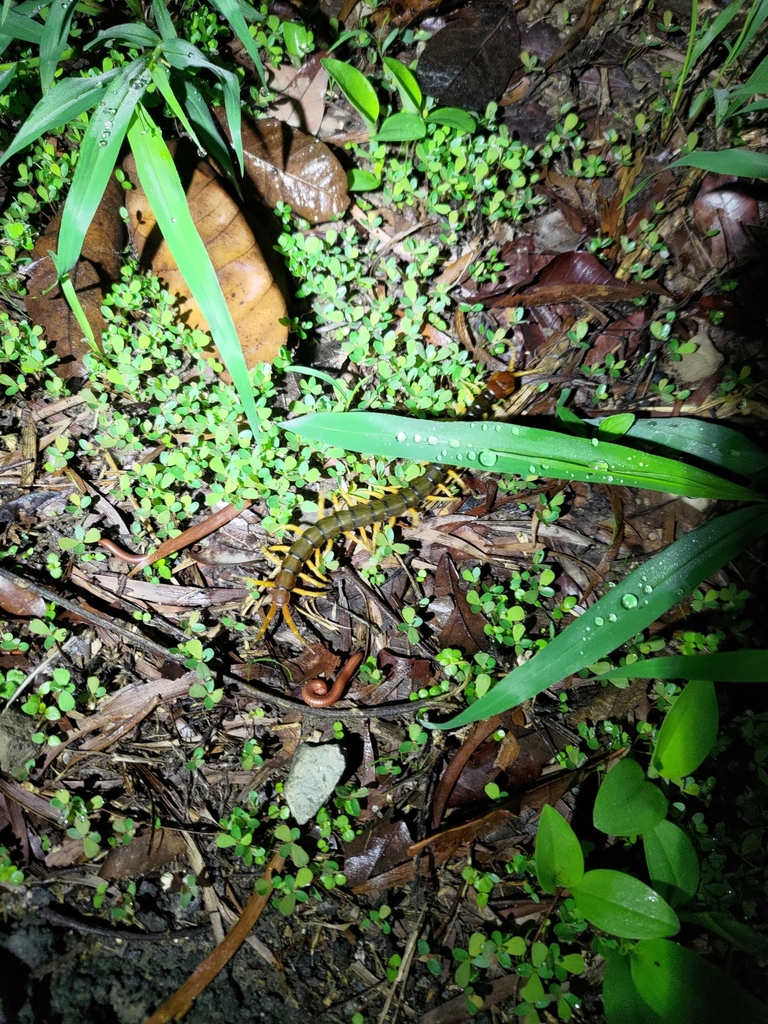
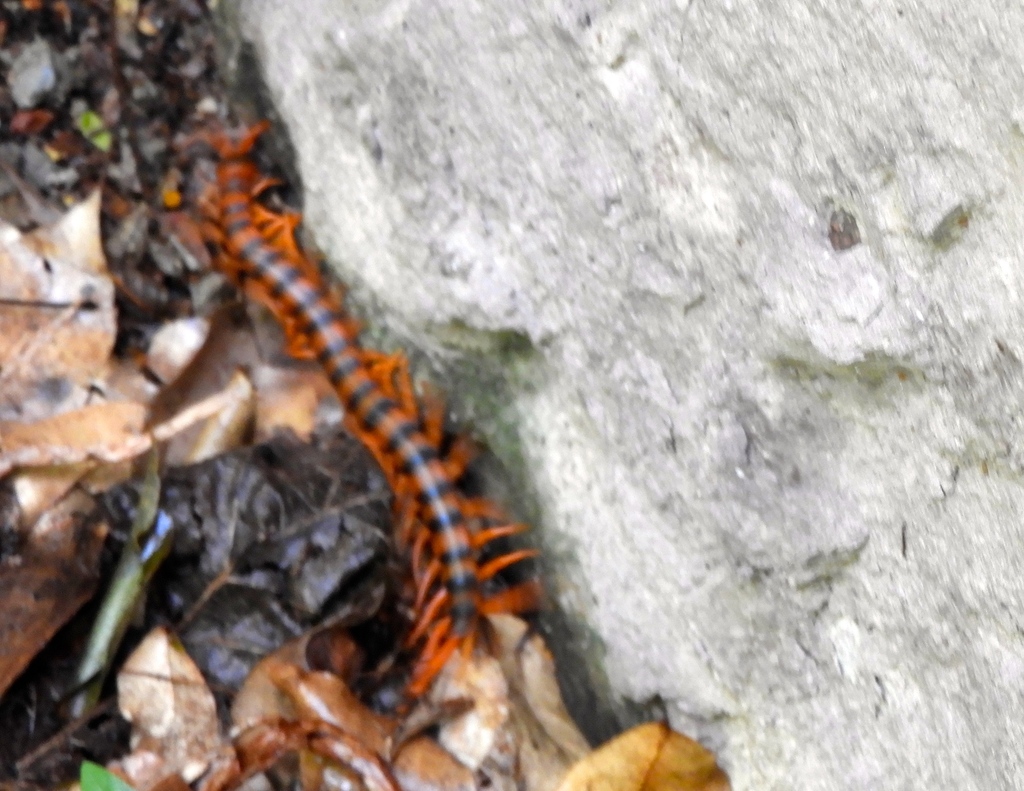
Scolopendra subspinipes is one of the most widespread and recognizable giant centipedes in the hobby. Adults routinely hit 6-8 inches, with exceptional specimens pushing past 8 inches. Coloration varies wildly across their enormous range — you'll see everything from cherry red heads with dark olive bodies to bright orange legs with nearly black segments. They're found throughout Southeast Asia, the Pacific Islands, and parts of the Caribbean and Central America, making them one of the most geographically successful centipede species on the planet.
Let's be direct: this is a display-only animal with medically significant venom. S. subspinipes are lightning fast, extremely defensive, and will not hesitate to bite if given the opportunity. Their venom causes intense, radiating pain that can last for hours, along with swelling and in some cases systemic symptoms like nausea and elevated heart rate. That said, they're absolutely mesmerizing to watch — active, voracious hunters that will tackle prey nearly their own size. There's a reason this is one of the most popular centipedes in the hobby despite (or maybe because of) its reputation.
This species is not appropriate for beginners or anyone who isn't fully comfortable working around a fast, venomous animal. Every enclosure interaction should involve long forceps and a catch cup nearby. Escapees are a genuine safety concern, so enclosure security is non-negotiable. If you respect what this animal is and set it up properly, it's one of the most rewarding invertebrates you can keep.
Did you know?
Scolopendra subspinipes has been documented catching and eating bats in mid-flight, hanging from cave ceilings by its rear legs while snatching them from the air.
Their venom contains scolopendrasin, a compound that researchers are studying for potential antimicrobial and anticancer properties — this centipede's bite is literally fueling medical research.
Despite being classified as a single species for decades, S. subspinipes is almost certainly a species complex — meaning what we call 'subspinipes' likely includes multiple distinct species that haven't been formally separated yet, which explains the huge variation in color and size across different localities.
Common questions
Can I handle a Vietnamese centipede?
No. Full stop. This is a display-only animal. S. subspinipes are unpredictable, incredibly fast, and deliver one of the most painful bites in the invertebrate hobby. Even experienced keepers who have worked with centipedes for years use long forceps for every interaction. There is no safe way to free-handle this species.
How dangerous is the venom compared to a tarantula bite?
It's in a completely different league. A typical New World tarantula bite is comparable to a bee sting. An S. subspinipes bite produces searing, throbbing pain that can last 12+ hours, significant swelling, and sometimes systemic symptoms like nausea, dizziness, and heart palpitations. Some people have required hospital visits. It's not typically life-threatening to healthy adults, but it's a genuinely miserable medical event.
My centipede hasn't eaten in two weeks — should I be worried?
Not necessarily. Centipedes often go off food before a molt, and S. subspinipes can fast for several weeks during this period. Check your temperatures and humidity first. If the animal looks shriveled or lethargic and conditions are correct, try offering a single small prey item. If it's ignored, remove it and try again in a few days. Prolonged fasting outside of premolt can sometimes indicate a husbandry issue.