About this species
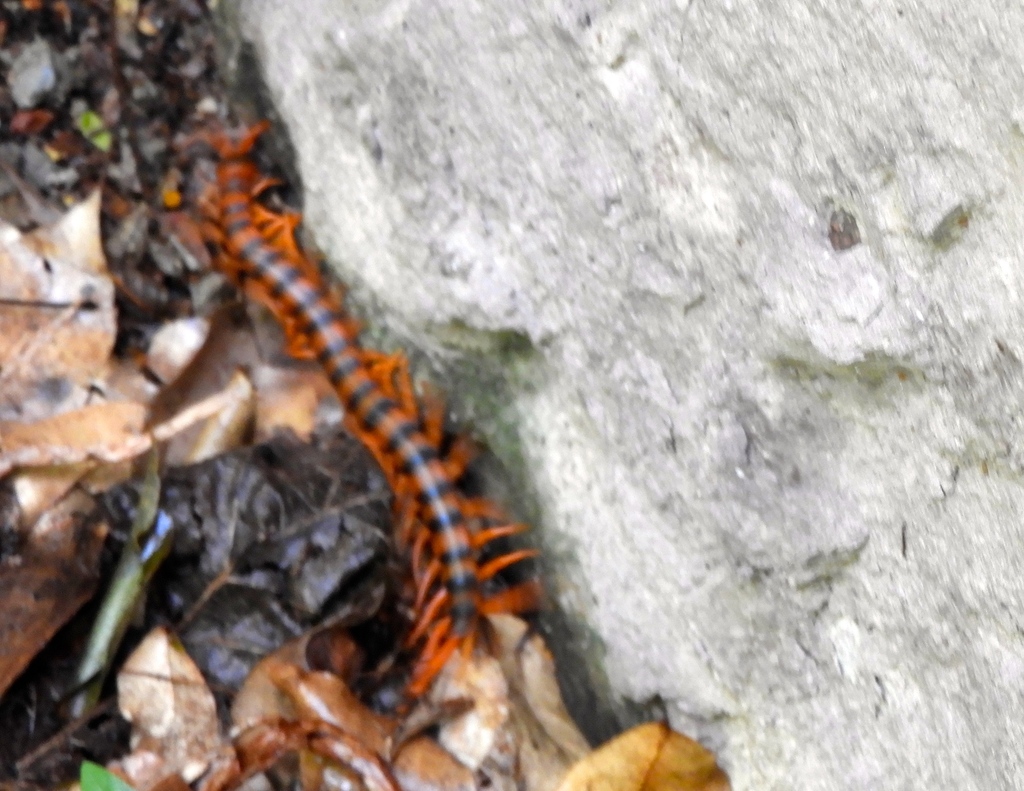
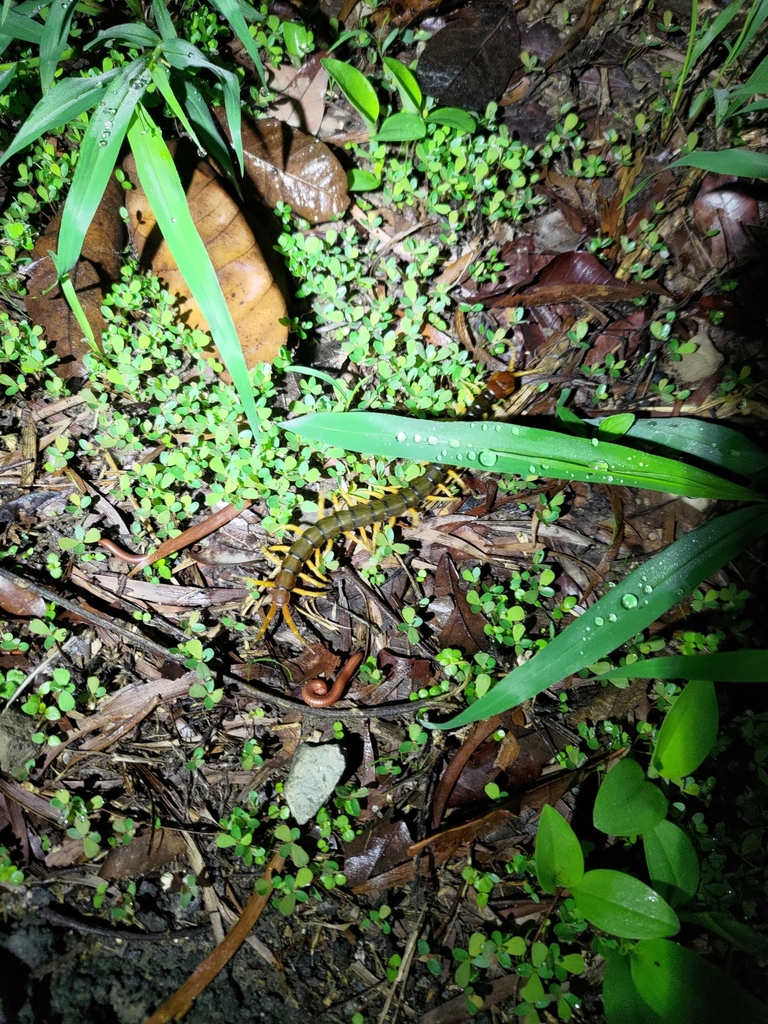
Scolopendra heros is the undisputed heavyweight champion of North American centipedes. Adults routinely hit 8 inches and exceptional specimens can push past 9. The classic color form features a striking cherry-red head and tail segments with a glossy black body, though there are regional variations — the 'castaneiceps' form from the western part of its range has an orange-brown head instead. They're found across the southern United States, from Texas through Arkansas, New Mexico, and into parts of Arizona, where they inhabit semi-arid scrubland, rocky outcrops, and grasslands.
People buy these centipedes because they're genuinely impressive animals. There's nothing else in the North American invertebrate hobby quite like watching an 8-inch centipede take down a large dubia roach with terrifying speed. They're bold, active, and surprisingly aware of their surroundings. That said, this is absolutely not a handling species. S. heros delivers an extremely painful bite that causes intense localized pain, swelling, and potentially systemic symptoms like nausea and headaches. Some people compare the pain to a bullet ant sting. Respect this animal.
This is an advanced-level keeper species, full stop. Centipedes are fast, unpredictable, and can squeeze through gaps you'd never expect. Escapes are one of the most common problems new centipede keepers face, and an 8-inch venomous centipede loose in your house is a genuinely dangerous situation. Use enclosures with secure, locking lids and always use long forceps for feeding and maintenance. If you're new to centipedes, consider starting with something smaller like Scolopendra polymorpha first.
Did you know?
Scolopendra heros has been documented killing and eating small snakes, lizards, and even bats in the wild — researchers in Texas have observed them climbing cave walls to snatch bats mid-roost.
Despite the common name, these centipedes don't always have 100 legs. Adult S. heros have exactly 21 pairs of legs (42 total), and no centipede species in the world has exactly 100 legs — they always have an odd number of leg pairs.
Their modified front legs (called forcipules) function as venomous fangs and are strong enough to pierce human fingernails. The venom contains compounds including serotonin, histamine, and a cardiotoxic protein unique to giant centipedes.
Common questions
Can I handle my Texas Redheaded Centipede?
No, and this isn't one of those situations where experienced keepers quietly do it anyway. S. heros bites are excruciatingly painful and can cause hours of intense agony, significant swelling, and systemic effects. There's no reason to handle this animal. Use long forceps for feeding and enclosure maintenance, and always have a plan if it bolts toward the enclosure opening.
How fast do they grow and how can I tell the sex?
S. heros grows relatively quickly for a centipede, reaching adult size in about 2-3 years depending on temperature and feeding frequency. Sexing centipedes is notoriously difficult without examining the last pair of legs and gonopods under magnification. Most keepers don't bother unless they're attempting to breed, which itself is a risky and advanced endeavor since females frequently eat males.
My centipede hasn't eaten in two weeks — should I be worried?
Not necessarily. Centipedes go through pre-molt fasting periods where they refuse food for 1-3 weeks. You might notice them looking duller in color or spending more time hiding. Keep humidity slightly elevated and remove any uneaten prey. If fasting extends beyond a month with no molt and the centipede appears lethargic, then it's time to evaluate your husbandry parameters — especially humidity and temperature.
Is this species legal to keep in my state?
S. heros is native to the United States and is legal to keep in most states without permits. However, some localities have ordinances against keeping venomous invertebrates, and a handful of states have restrictions on keeping native wildlife. Check your local regulations before purchasing. Landlords and roommates may also have strong opinions about a giant venomous centipede in the house — fair warning.