About this species
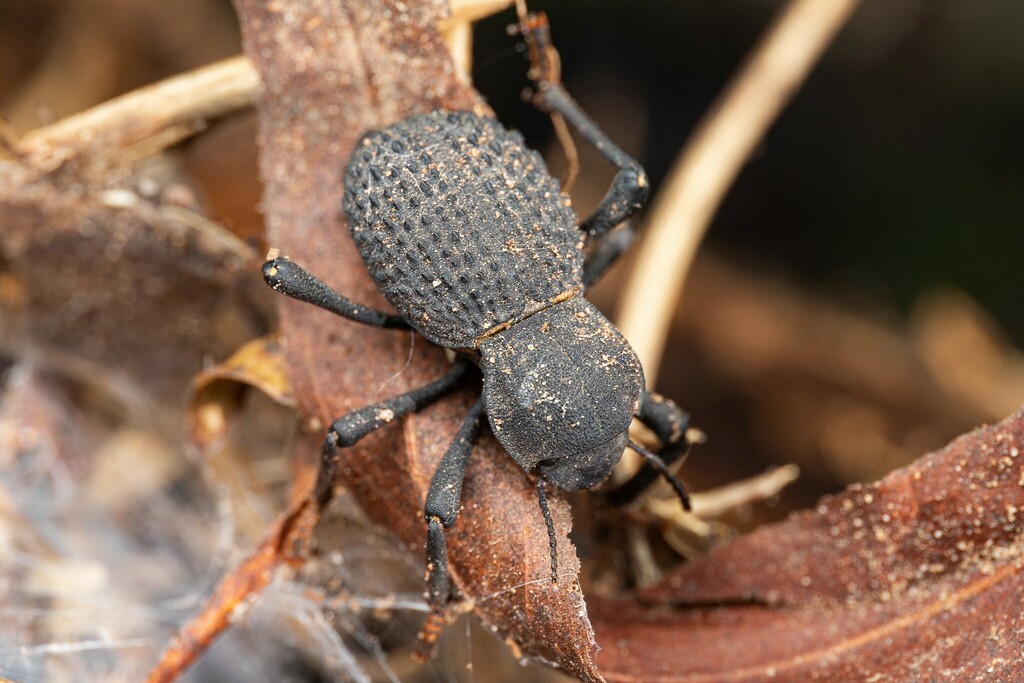
Asbolus verrucosus is a darkling beetle native to the deserts of the American Southwest, primarily found in Arizona and surrounding regions. Their entire body is covered in a stunning blue-white waxy coating that makes them look almost powdered or frosted. This wax layer actually serves a real purpose — it helps reflect sunlight and trap moisture from the air in their brutally dry native habitat. Adults reach about 0.75 to 1 inch in length, and that bumpy, textured exoskeleton combined with the blue bloom gives them a look unlike anything else in the hobby.
These beetles are one of the most bulletproof pet invertebrates you can keep, which makes them wildly popular with beginners and experienced keepers alike. Their namesake behavior is genuinely entertaining — when startled or picked up, they flip onto their backs, tuck in their legs, and play dead with total commitment. They're completely harmless, don't bite, don't smell, and are perfectly happy being handled. They're also communal, so you can keep groups together without any aggression, which makes for a much more active and interesting display.
One thing people love about BDFBs is how low-maintenance they are. No misting, no humidity regulation, no careful temperature monitoring. They thrive on neglect in a way that very few pet invertebrates do. If you're looking for an entry point into keeping beetles or just want a desktop pet that's genuinely fascinating and nearly impossible to kill through husbandry errors, this is your species.
Did you know?
Their blue-white coating isn't pigment — it's a layer of microscopic wax crystals secreted by the exoskeleton that scatters light. It's structurally similar to the way the sky appears blue, and it doubles as a moisture-harvesting system in the desert.
Their death feigning act is incredibly convincing. They can hold the pose for minutes at a time, legs rigid and curled, completely motionless. Predators lose interest in prey that isn't moving, so it's actually an effective survival strategy.
These beetles can live for nearly a decade in captivity with proper care, making them one of the longest-lived commonly kept pet invertebrates. Many keepers are surprised when their 'simple beetle' is still thriving five or six years later.
Common questions
Why did my beetle lose its blue color?
The blue-white waxy coating can wear away from frequent handling, sustained high humidity, or just age. It's a surface wax layer, not body pigment, so once it's rubbed off it doesn't regenerate. Your beetle is perfectly healthy without it — it'll just look darker and smoother. Keeping humidity low helps preserve the bloom longer.
Can I keep Blue Death Feigning Beetles together?
Absolutely, and you should. They're naturally communal and show much more interesting behavior in groups. A group of 3-5 in a 10 gallon tank is ideal. There's no aggression between individuals, regardless of sex, and they'll often cluster together under hides. More beetles means more activity and more chances to witness that classic death feigning behavior.
Do Blue Death Feigning Beetles breed in captivity?
They can, but it's quite rare and unpredictable. Breeding BDFBs is notoriously difficult — they seem to need very specific environmental triggers that are hard to replicate in a home setup. The larvae are rarely seen even by experienced breeders. Most BDFBs in the hobby are wild-collected, which is one reason they stay affordable.
Can I keep them with other desert beetle species?
Yes, they coexist peacefully with other desert darkling beetles like Eleodes and Cryptoglossa species. Many keepers set up communal desert beetle terrariums with multiple species, cork bark hides, and rock features. Just make sure all the species have the same dry, low-humidity requirements. Avoid mixing them with anything tropical or moisture-dependent.