About this species
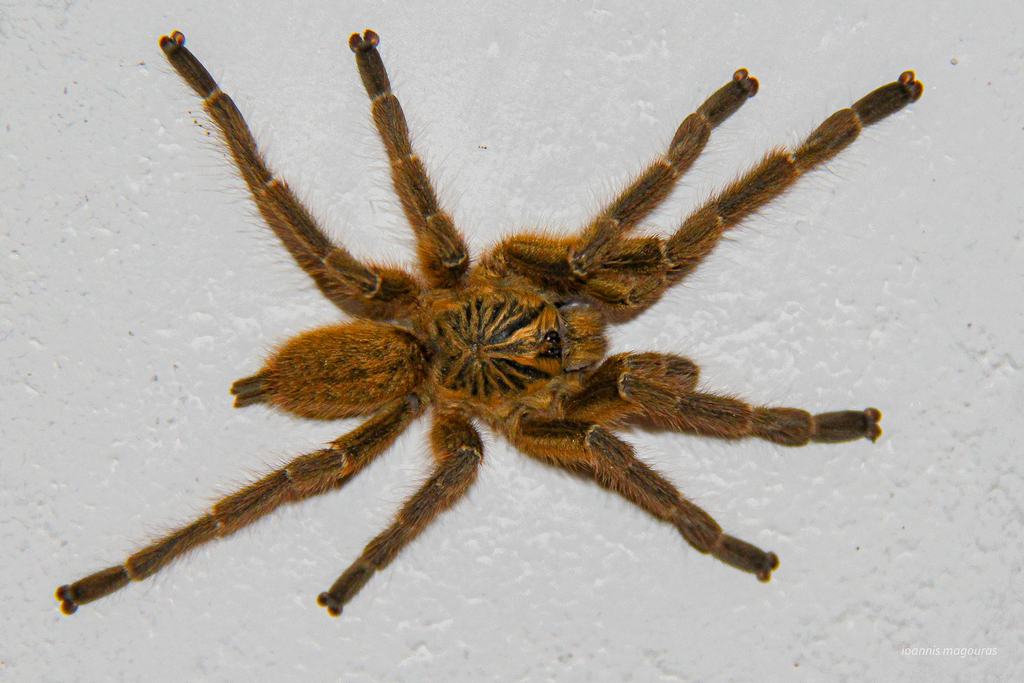
The Orange Baboon Tarantula (OBT) is one of the most notorious spiders in the exotic pet trade, famous for its vibrant rusty-orange coloration and lightning-fast defensive behavior. Native to eastern and southern Africa, this Old World tarantula earned its colorful nickname 'Orange Bitey Thing' due to its aggressive temperament and willingness to bite. Growing to about 4-6 inches in leg span, OBTs display a distinctive sunburst pattern on their carapace and are prolific webbers that transform their entire enclosure into silk fortresses. While their striking appearance attracts many hobbyists, these tarantulas pack medically significant venom and move with shocking speed, making them suitable only for experienced keepers. People buy them as display animals for their beautiful coloration, fascinating web-building behaviors, and the thrill of keeping one of the hobby's most defensive species. Despite their feisty reputation, properly housed OBTs that feel secure will spend most of their time hidden in their web tunnels, only emerging to hunt or when disturbed.
Did you know?
OBTs can mature extremely quickly - males in under 1 year, females in 1.5-2 years, making them one of the fastest-growing tarantula species
They're known to attack through glass at reptile shows and will sometimes flip entirely on their back in threat display
Despite their 'bitey' reputation, many keepers report they prefer to bolt and hide rather than fight if given proper retreat options
Common questions
Are Orange Baboon Tarantulas good for beginners?
Absolutely not. OBTs are one of the most challenging species due to their speed, defensiveness, and medically significant venom. They require experienced handlers only.
How painful is an OBT bite?
Extremely painful. Bite reports describe intense burning pain, muscle cramps, swelling, and symptoms lasting several days. While not fatal, it's considered one of the worst tarantula bites.
Do they always stay hidden in their webs?
Mostly yes - a secure OBT will web heavily and stay hidden. You'll often only see legs sticking out of web tunnels when they're hungry. They're more visible at night.
Can OBTs be housed communally?
No. While some experienced keepers report limited success, OBTs are solitary and cannibalistic. Always house them individually for safety.