Costa Rican Zebra Tarantula

Costa Rican Zebra Tarantula

Aphonopelma seemanni
$48
Price
Females: 15-20 years, Males: 5-7 years
Lifespan
Beginner to Intermediate
Difficulty
Check availability & prices
In stock at 3 verified breeders

About this species

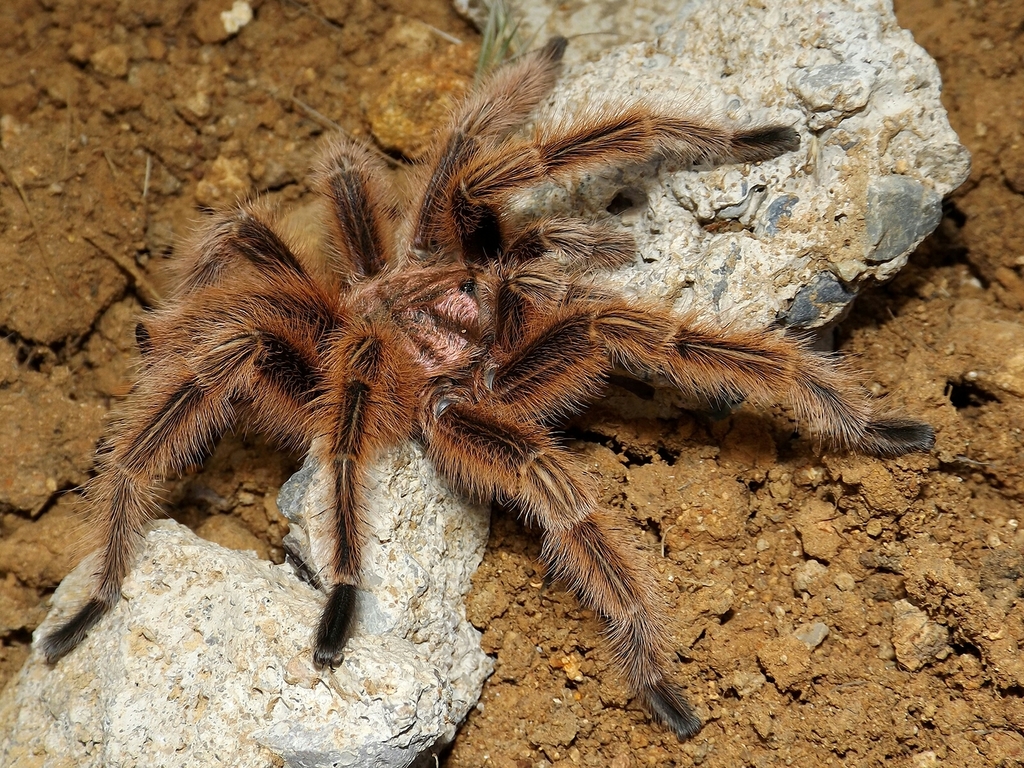
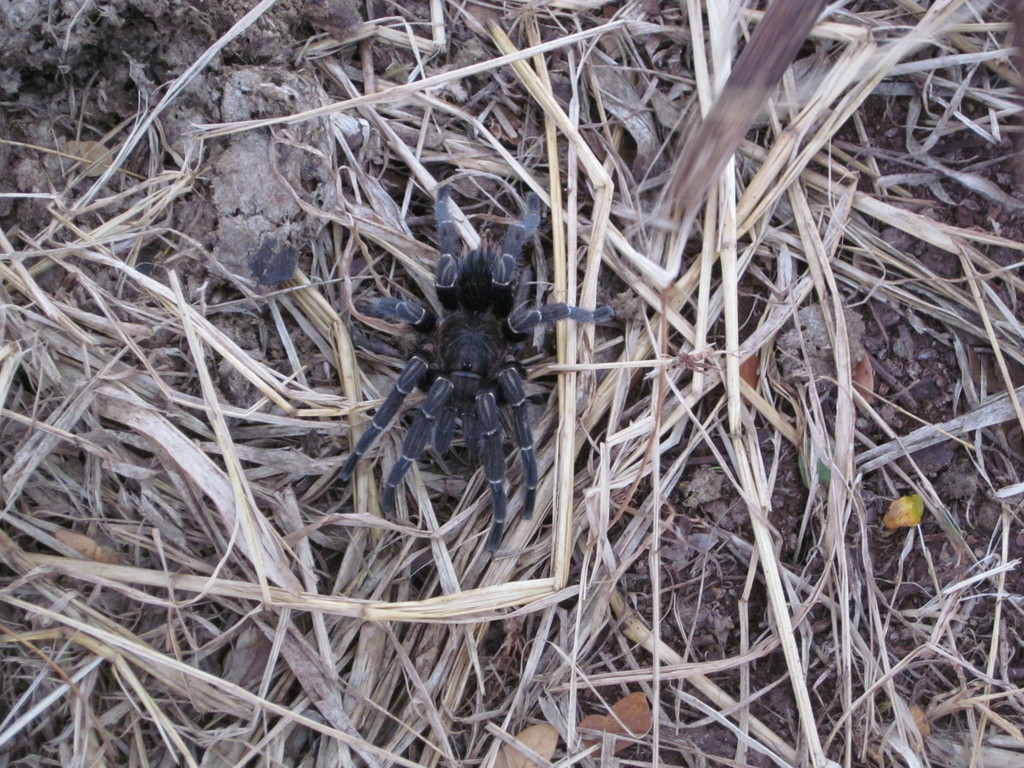
The Costa Rican Zebra Tarantula is a striking terrestrial species native to the dry forests and scrublands of Central America, including Costa Rica, Honduras, and Nicaragua. This medium-sized tarantula (5-6 inch leg span) is known for its beautiful dark brown to black body adorned with distinctive white or cream-colored stripes on the legs, particularly around the 'knees' (patellae), giving it its zebra-like appearance. While generally calm and docile, this species tends to be somewhat skittish and prefers to retreat to its burrow rather than confront threats.

As a deep-burrowing species, the Costa Rican Zebra spends much of its time underground, especially as juveniles, though adults may venture out more frequently, particularly at night. They're popular in the pet trade due to their hardy nature, striking appearance, and relatively easy care requirements. These tarantulas are known for their longevity, with females living up to 20 years in captivity while males typically live 5-7 years.

People buy Costa Rican Zebra Tarantulas because they offer an excellent balance of beauty and manageability. Their stunning striped appearance makes them visually appealing display animals, while their generally docile nature and hardiness make them suitable for beginners transitioning from easier species. Though they can be reclusive, patient keepers are rewarded with fascinating burrowing behaviors and occasional nighttime activity. Their reasonable size and straightforward care requirements make them an ideal choice for those wanting a beautiful, long-lived tarantula without the challenges of more demanding species.
Care requirements

Temperature
70-85°F
Humidity
65-80%
Enclosure
Terrestrial enclosure with more floor space than height, secure ventilated lid
Size
5-10 gallon tank for adults, or at least 3-4x the spider's diagonal leg span
Substrate
4-6 inches of coconut fiber, peat moss, or topsoil mix for burrowing
Diet
Gut-loaded crickets, roaches, or mealworms. Adults eat every 7-10 days, juveniles every 3-7 days. Slings eat pinhead crickets or fruit flies every 3-4 days. Prey should be no larger than the tarantula's abdomen.
Water
Shallow water dish always available. Light misting every few days to maintain humidity. Keep one side of substrate slightly moist while other side stays drier.
Important notes
Remove uneaten prey after 24 hours. Can be skittish and may flick urticating hairs when stressed. Will burrow extensively, especially as juveniles. May refuse food for weeks before molting. Wait at least a week after molting before feeding. Watch substrate for mold in humid conditions.

Did you know?

Despite being called a Costa Rican species, they're found throughout Central America and are known to live in suburban lawns in Costa Rica
The species name 'seemanni' honors Berthold Seemann, a 19th-century German botanist who collected the original specimens
They belong to the genus Aphonopelma, which means 'silent foot' - these tarantulas don't stridulate (make noise) like many other species

Common questions

Why does my Costa Rican Zebra stay buried all the time?
This is completely normal, especially for juveniles. They're obligate burrowers and may stay underground for months. Adults tend to be more visible but still prefer their burrows during daylight hours.
Can I handle my Costa Rican Zebra Tarantula?
While generally docile, handling isn't recommended. They're skittish and fast-moving when disturbed, and may flick urticating hairs that cause skin irritation. They're better as display animals.
How often should I see my tarantula eating?
Adults typically eat every 7-10 days, but may refuse food for weeks or months when approaching a molt. As long as the abdomen isn't shriveled, extended fasting is normal for this species.
Do I need special heating for this species?
Room temperature (70-85°F) is usually fine. Avoid heat lamps or direct sunlight. If your room drops below 70°F, a low-wattage under-tank heater on one side can help.

Related species