Cobalt Blue Tarantula

Cobalt Blue Tarantula

Cyriopagopus lividus
$30
Price
Females: 15-18 years, Males: 5-6 years
Lifespan
Advanced
Difficulty
Check availability & prices
In stock at 2 verified breeders

About this species

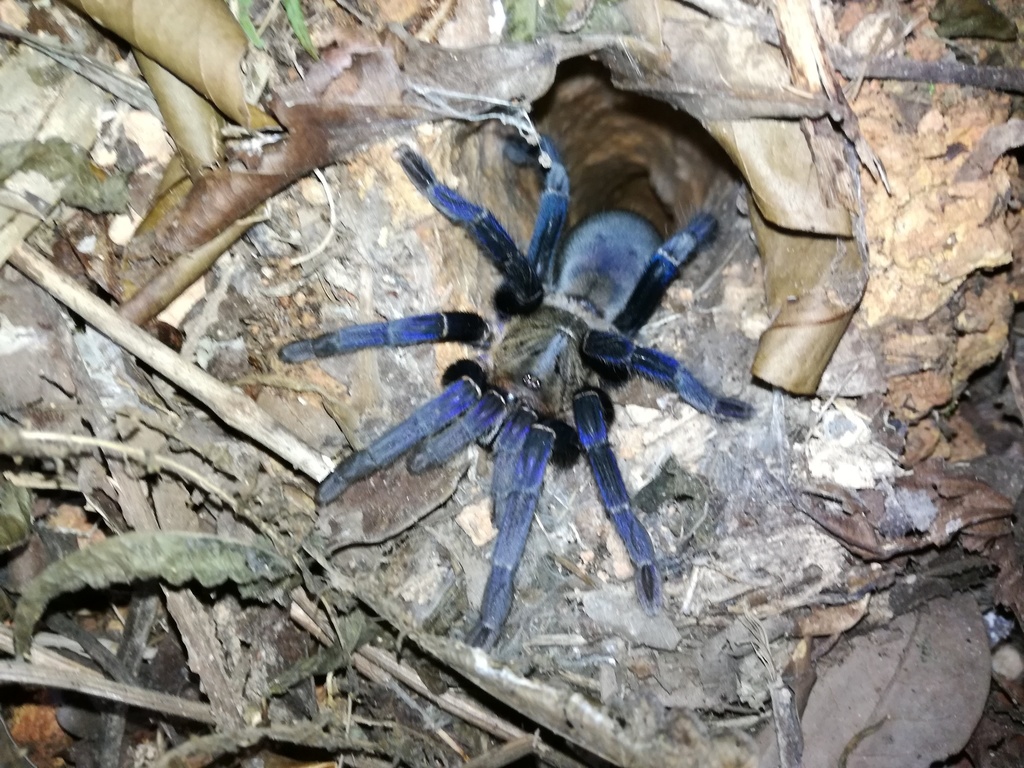
The Cobalt Blue Tarantula is one of the most visually striking species in the hobby, famous for its electric blue iridescent legs that seem to glow under light. Native to the rainforests of Myanmar and Thailand, these fossorial (burrowing) tarantulas spend most of their time underground in elaborate tunnel systems. Despite their stunning beauty, they're known for being one of the most defensive and unpredictable tarantulas in the hobby, with lightning-fast movements and a willingness to bite when threatened.

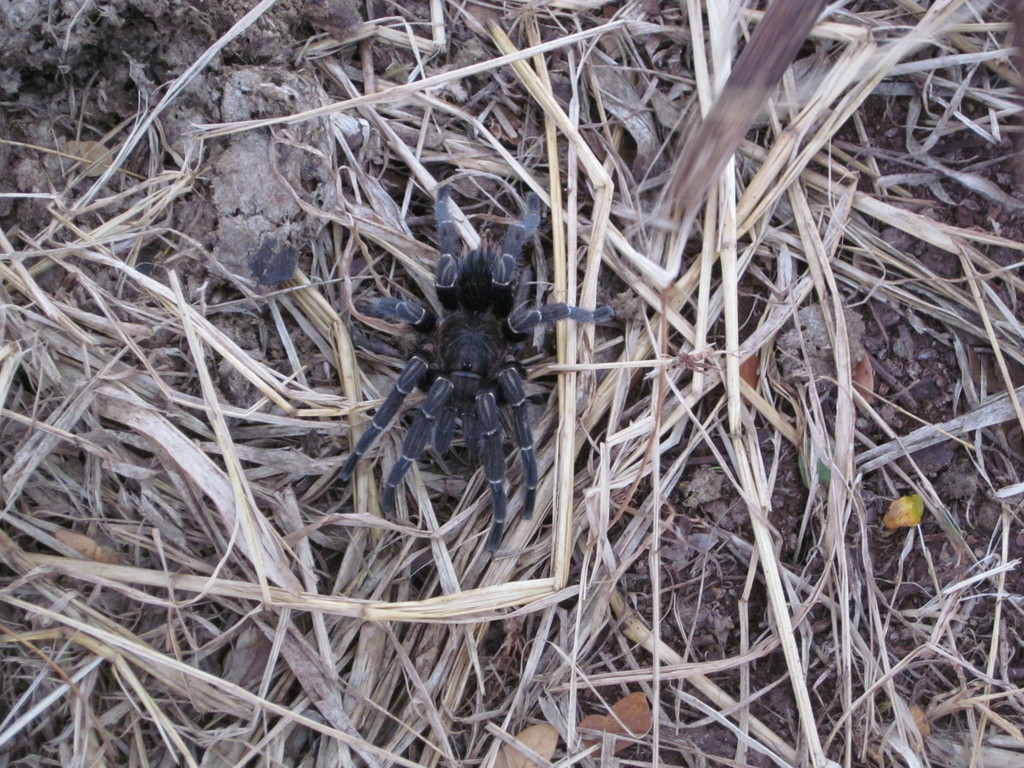
People are drawn to this species for its incredible cobalt blue coloration, which develops as they mature from brownish juveniles into vibrant blue adults. However, this is truly a "look but don't touch" pet – their aggressive nature, potent venom (causing severe pain and muscle cramps), and tendency to bolt make them suitable only for experienced keepers. Sexual dimorphism is pronounced in this species: males turn brown at maturity and live only 5-6 years, while females retain their blue coloration and can live 15-18 years.

If you're considering a Cobalt Blue, understand that you're getting a beautiful display animal that will rarely be visible, as they're obligate burrowers who typically only emerge at night. Their defensive behavior combined with medically significant venom makes them a challenging species that demands respect and proper husbandry.
Care requirements

Temperature
75-85°F
Humidity
75-85%
Enclosure
Terrestrial setup with very deep substrate for burrowing
Size
10-15 gallon tank minimum for adults; height matters less than floor space and substrate depth
Substrate
At least 6 inches of moisture-retaining substrate like coconut fiber, peat moss, or soil mix
Diet
Juveniles: 2 small crickets every 7-10 days. Adults: 5-6 large crickets or 1 large dubia roach every 3-4 weeks. Wait 7+ days after molting before feeding
Water
Shallow water dish required; keep substrate damp but not waterlogged. Overflow water dish occasionally to maintain corner moisture
Important notes
Extremely defensive with medically significant venom. Never handle. Provide starter burrow but they'll dig their own. Keep one corner slightly damp. Fast escape artist - secure lid essential. Will slap ground and show threat pose before biting

Did you know?

Males turn brown at maturity while females stay blue, making this one of the most sexually dimorphic tarantula species
Their scientific name 'lividus' means 'bluish' or 'bruised' in Latin, perfectly describing their stunning coloration
Despite being called 'Cobalt Blue,' juveniles start life brown and gradually develop their blue coloration with each molt

Common questions

Can I handle my Cobalt Blue Tarantula?
No, this species should never be handled. They're extremely fast, defensive, and have medically significant venom that causes severe pain and muscle cramping.
Why can't I see my tarantula?
This is normal! Cobalt Blues are obligate burrowers who spend 99% of their time underground. You might see them at their burrow entrance at night or when hunting.
Is the bite dangerous?
While not typically life-threatening, their venom causes extreme pain, muscle spasms, and flu-like symptoms. Anyone allergic to bee stings should be especially cautious.
Why is my male turning brown?
This is natural sexual dimorphism. Males lose their blue coloration when they reach maturity, while females stay blue throughout their lives.

Related species