Orchid Mantis

Orchid Mantis

Hymenopus coronatus
$29-50
Price
5-9 months total (males 5-6 months, females 8-9 months)
Lifespan
Intermediate
Difficulty
Check availability & prices
View suppliers & Amazon options

About this species

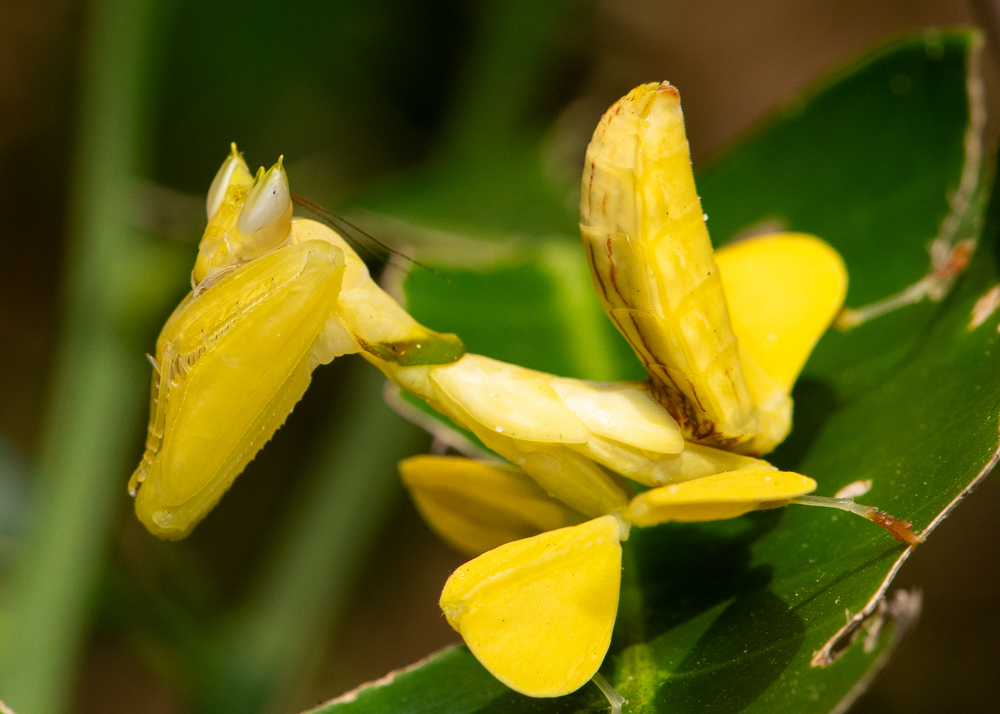
The Orchid Mantis is a stunning pink and white praying mantis from the tropical rainforests of Southeast Asia, particularly Malaysia, Thailand, and Indonesia. Famous for its remarkable flower mimicry, this mantis features large petal-like lobes on its legs that help it blend perfectly with orchid flowers. Females can reach up to 3 inches (7cm) in length and display beautiful white to pink coloration, while males are much smaller at only 1 inch (2.5cm) and often have more yellow-brown tones. As nymphs, they start life as striking orange and black mimics of assassin bugs before transforming into their famous flower-like appearance after their first molt.

This species has become the most searched exotic insect online, and for good reason. Their incredible beauty and unique hunting strategy make them fascinating pets. They're ambush predators that wait motionless on flowers to catch pollinators, combining stunning aesthetics with captivating behavior. While they require more attention than beginner species, their manageable size and relatively calm temperament make them achievable for dedicated keepers willing to maintain proper humidity and temperature levels.

Care requirements

Temperature
77-95°F (optimal 80-85°F)°F
Humidity
60-80% (nymphs need lower: 60-70%)%
Enclosure
Glass or plastic terrarium with mesh top for ventilation
Size
Minimum 3x mantis length in height, 2x in width. Adult females need at least 8x8x12 inches
Substrate
Coco fiber, sphagnum moss, or paper towels. Must retain moisture
Diet
L1-L2: D. melanogaster fruit flies. L3-L4: D. hydei fruit flies. L5-Adult: house flies, blue bottles, moths. Feed every 1-2 days for nymphs, every 2-3 days for adults
Water
Mist lightly 1-2 times daily depending on ventilation. Nymphs need less frequent misting (once weekly to twice daily based on age)
Important notes
Never use tap water for misting - use distilled or RO water only. Nymphs are very sensitive to high humidity. Males mature faster than females, complicating breeding. Must be housed individually after L3 to prevent cannibalism. Proper ventilation is crucial to prevent mold with high humidity requirements

Did you know?

First instar nymphs are bright orange and black, mimicking assassin bugs before transforming into flower mimics
Adult females can be 3 times larger than adult males - one of the most extreme size differences in mantids
They can change color intensity based on humidity and light conditions, ranging from pure white to bright pink

Common questions

Can I keep multiple Orchid Mantises together?
No, they must be housed individually after L3 (third molt) to prevent cannibalism, though L1-L2 nymphs can be kept together briefly.
Why is my Orchid Mantis not eating?
They typically stop eating 1-2 days before molting. If not pre-molt, check temperature (should be 80-85°F) and try offering flying prey like fruit flies or house flies.
Do I need special lighting?
No special lighting required if the room gets 12 hours of natural light. Add LED grow lights only if keeping live plants.
What's the biggest mistake new keepers make?
Keeping humidity too high for young nymphs or using tap water for misting. Nymphs need 60-70% humidity with good ventilation.

Related species