Hooded Mantis

Hooded Mantis

Rhombodera fusca
$32
Price
12-18 months, up to 2 years with optimal care
Lifespan
Beginner
Difficulty
Check availability & prices
In stock at 1 verified breeder

About this species

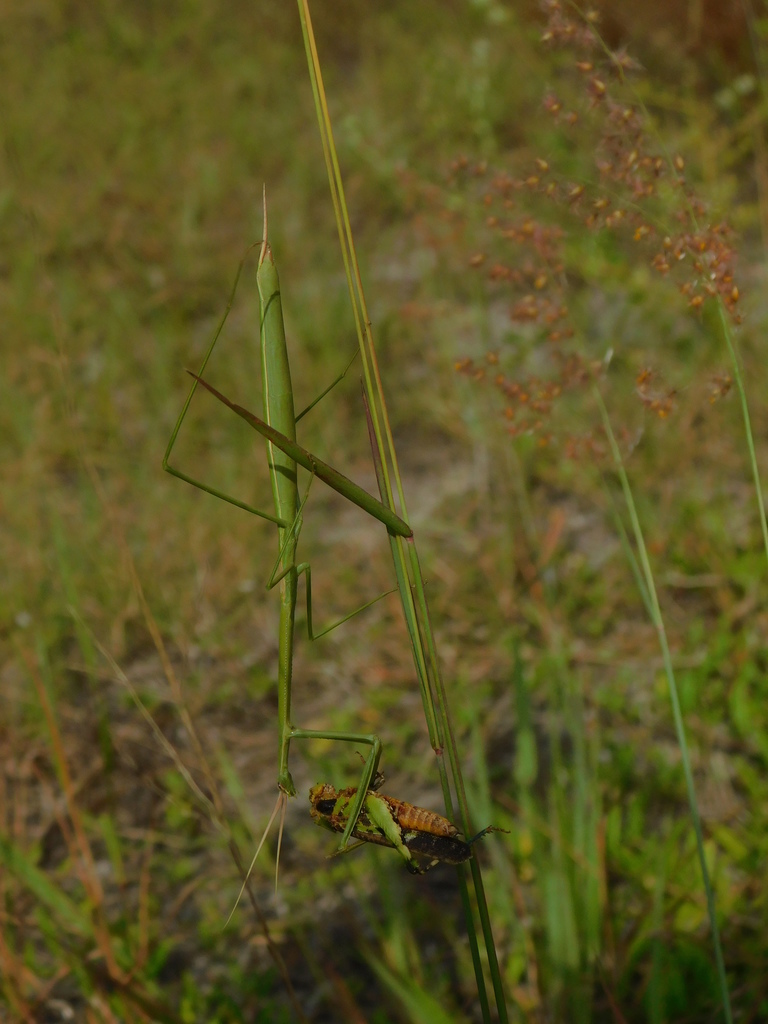
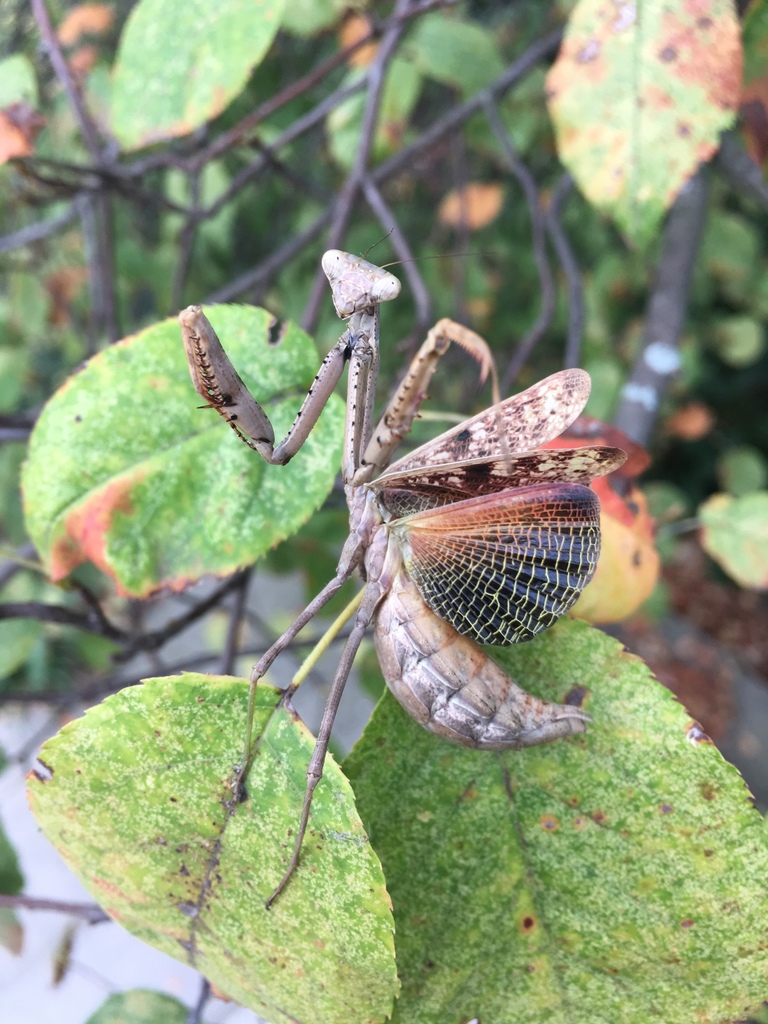
The Hooded Mantis is a robust Asian species known for its distinctive shield-shaped thorax that extends like a hood over its body. Native to Southeast Asia, particularly Laos and Thailand, these mantises reach an impressive 3-4 inches in length, with females typically larger than males. Their green to brown coloration allows them to blend seamlessly with foliage, while their calm temperament and voracious appetite make them excellent pets for beginners.

People buy Hooded Mantises for their striking appearance, manageable care requirements, and docile nature. Unlike more skittish species, they readily tolerate handling and make fascinating display animals. Their extended thorax gives them a unique silhouette that immediately sets them apart from common mantis species, making them a conversation starter for any invertebrate collection.

These hardy mantises are aggressive hunters with enormous appetites, readily taking down prey items of considerable size. Their willingness to eat practically anything offered, combined with their tolerance of slight environmental variations, makes them one of the more forgiving species for newcomers to the mantis-keeping hobby.

Care requirements

Temperature
70-85°F
Humidity
50-80%
Enclosure
Glass or mesh enclosure with screen top for ventilation and molting grip
Size
3x mantis length tall, 2x mantis length wide; minimum 8x8x12 inches for adults
Substrate
Sphagnum moss, coconut fiber, or paper towels
Diet
L1-L3: fruit flies (D. melanogaster, D. hydei); L4-L5: house flies, bluebottle flies, small roaches; L6-adult: bluebottle flies, roaches, crickets. Feed every 2-3 days, watching for rounded abdomen
Water
Mist once daily for glass enclosures, twice daily for mesh enclosures. Use distilled or RO water, not tap water
Important notes
Very cannibalistic - house separately. Can overfeed easily which shortens lifespan. Ensure 2x body length clearance at top for molting. Humidity critical for successful molts

Did you know?

Their shield-like thorax earned them multiple common names including Shield Mantis and Hood Mantis
They're so aggressive in hunting that they'll tackle prey as large as themselves
Rhombodera species were recently reclassified, with some moved to the genus Rhombomantis

Common questions

Can I keep multiple Hooded Mantises together?
No, they are highly cannibalistic and must be housed separately, even as nymphs
Why is my mantis hanging upside down?
This is normal behavior - mantises hang inverted to molt and often rest in this position
How often should I feed my Hooded Mantis?
Every 2-3 days for adults, daily for young nymphs. If the abdomen looks rounded, skip a feeding
What's the biggest mistake new keepers make?
Allowing humidity to drop too low, which causes fatal molting failures. Daily misting is essential

Related species