Giant African Mantis

Giant African Mantis

Sphodromantis lineola
$27
Price
6-9 months total (3-6 months at warmer temps, longer at room temperature)
Lifespan
Beginner
Difficulty
Check availability & prices
In stock at 1 verified breeder

About this species

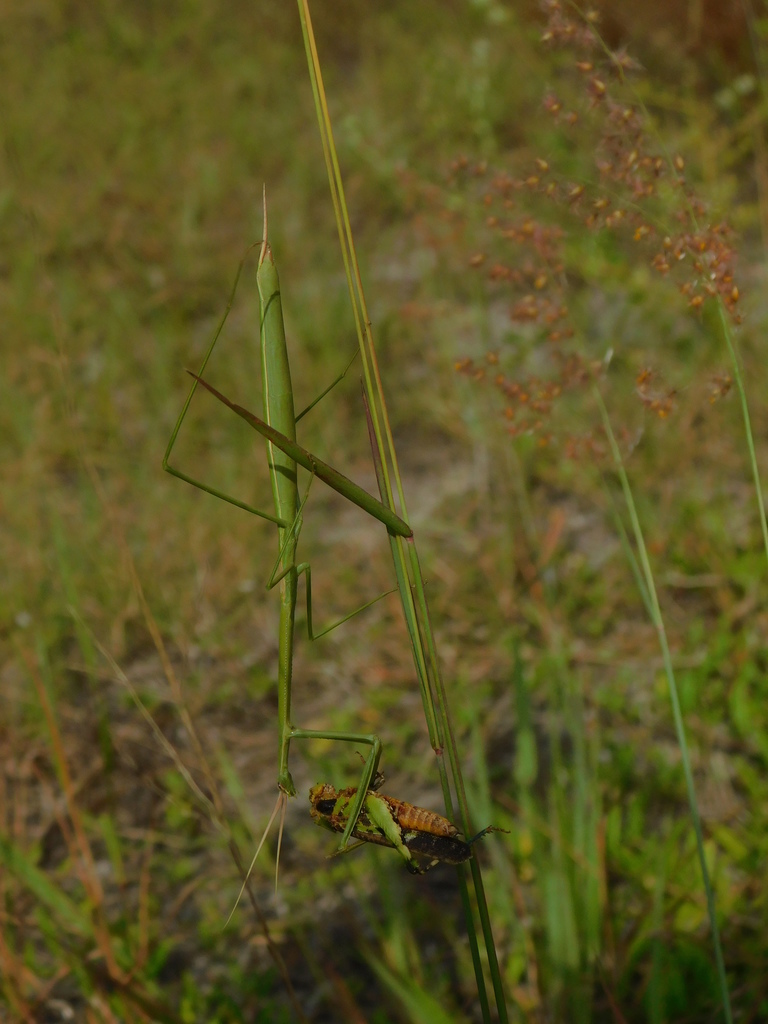
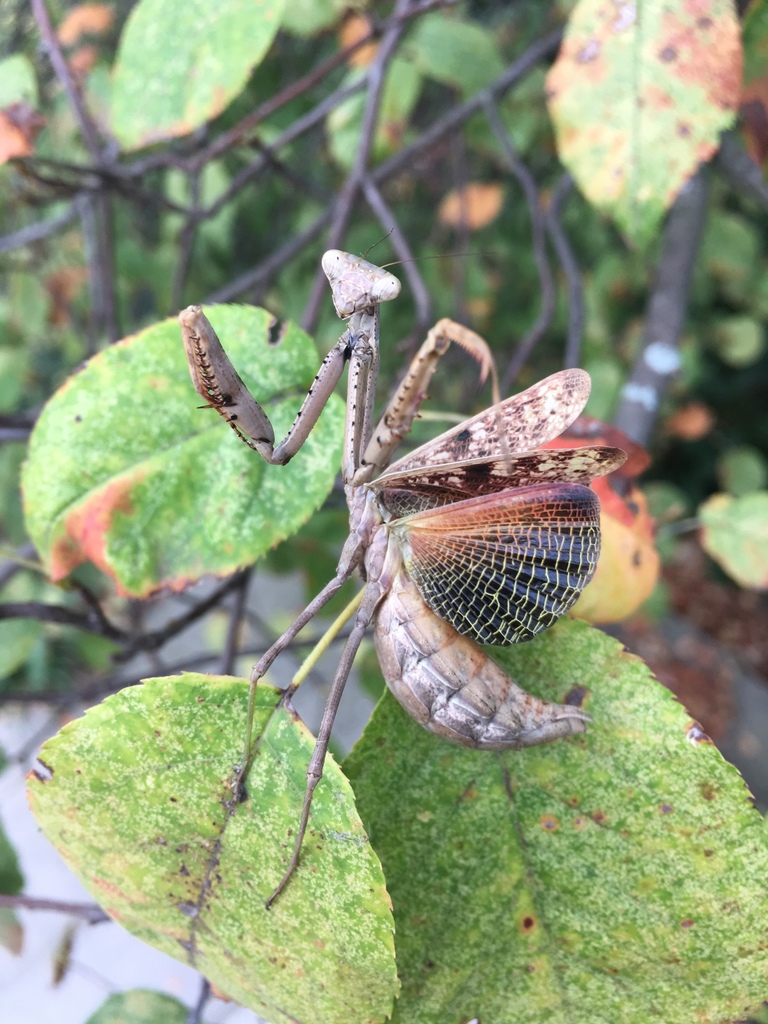
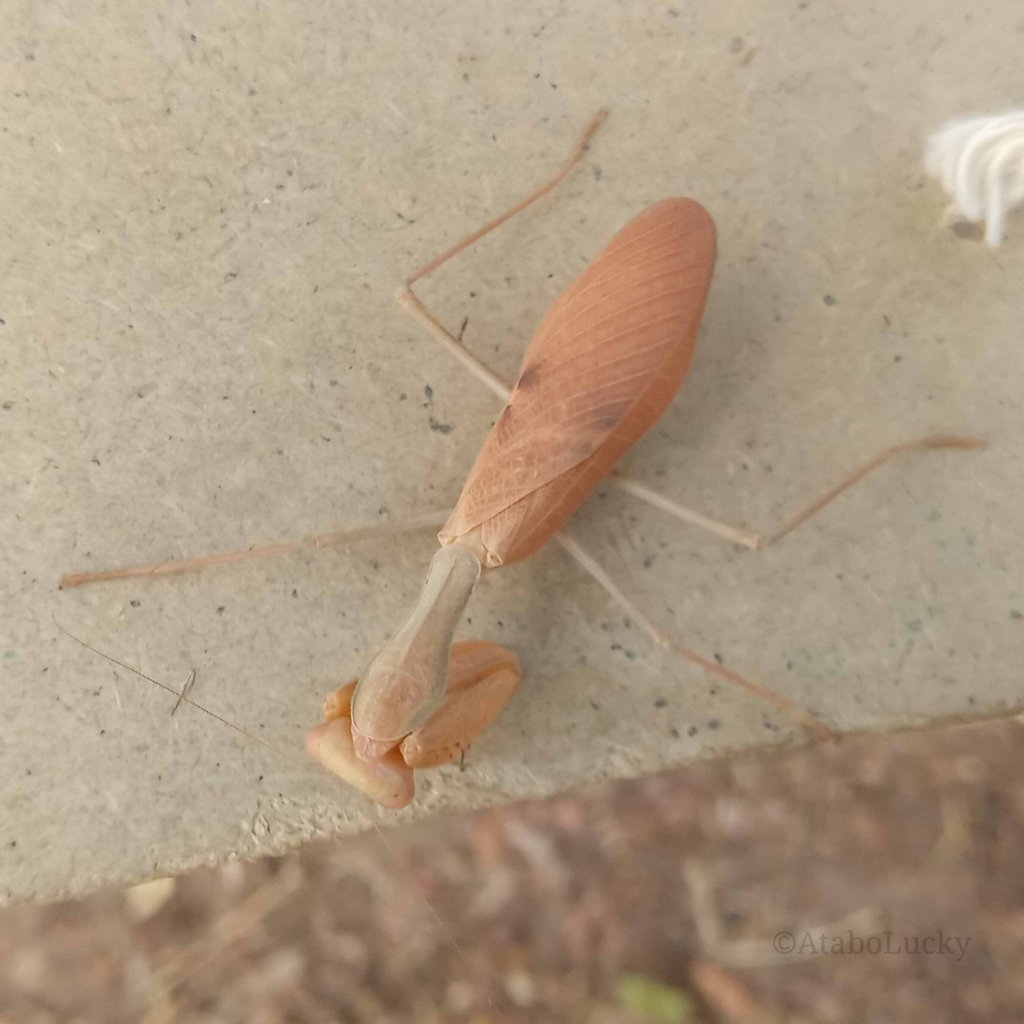
The Giant African Mantis is one of the most popular pet mantises, known for its impressive size and fierce hunting behavior. Native to sub-Saharan Africa, these mantises typically reach 3-4 inches in length, with females being larger than males. They come in various colors from bright green to brown or tan, with some brown varieties displaying striking purple eyes. Their aggressive hunting style makes them fascinating to watch — they'll actively chase down prey and can tackle insects as large as themselves. These hardy mantises are perfect for beginners due to their forgiving care requirements and bold personalities. Unlike more delicate species, they're comfortable with handling and adapt well to a range of temperatures and humidity levels, making them an ideal first mantis for those looking to enter the hobby.

Care requirements

Temperature
68-80°F (optimal 75°F)°F
Humidity
40-60%%
Enclosure
Glass terrarium, mesh cage, or plastic container with good ventilation and mesh/net lid for molting grip
Size
Minimum 3x mantis length in height, 2x in width/depth. Adult females need at least 12"H x 8"W x 8"D
Substrate
1-2 inches of soil, sphagnum moss, or paper towel. Avoid overcrowding with decorations
Diet
L1-L2: fruit flies (D. melanogaster/hydei), L3-L5: house flies and small roaches, L6-Adult: blue bottle flies, large roaches, moths, locusts. Feed 2-3 times weekly until abdomen is plump. Can eat pinkie mice but feed prey no larger than 1/3 mantis length
Water
Light misting once daily (twice for mesh cages). Use distilled or RO water, not tap water. Mantis drinks from droplets
Important notes
Very cannibalistic - must house individually past L4. Remove uneaten prey, especially crickets which can harm molting mantis. Needs 2x body length of vertical molting space. Avoid overfeeding as it shortens lifespan. Best to buy at L2/L3 instar or older for stability

Did you know?

Brown varieties can develop beautiful purple eyes, making them particularly striking pets
These aggressive hunters will often grab prey before it even hits the ground when dropped into their enclosure
Females may eat males during mating, so males need to be removed quickly after successful copulation

Common questions

Can I keep multiple Giant African Mantises together?
No, they're highly cannibalistic and must be housed individually after L4 instar. Even young nymphs will eat each other if food runs low.
What's the difference between males and females?
Females grow larger (up to 4 inches vs 3 inches for males) and have 6 abdominal segments vs 8 for males. Males have longer wings extending past their abdomen.
How often do they molt?
Juveniles molt every 2-3 weeks, subadults every 3-4 weeks. They'll refuse food 1-2 days before molting and shouldn't be disturbed for 3 days after.
Can I use tap water for misting?
No, use distilled water, spring water, or reverse osmosis water. Tap water can contain harmful chemicals for mantises.