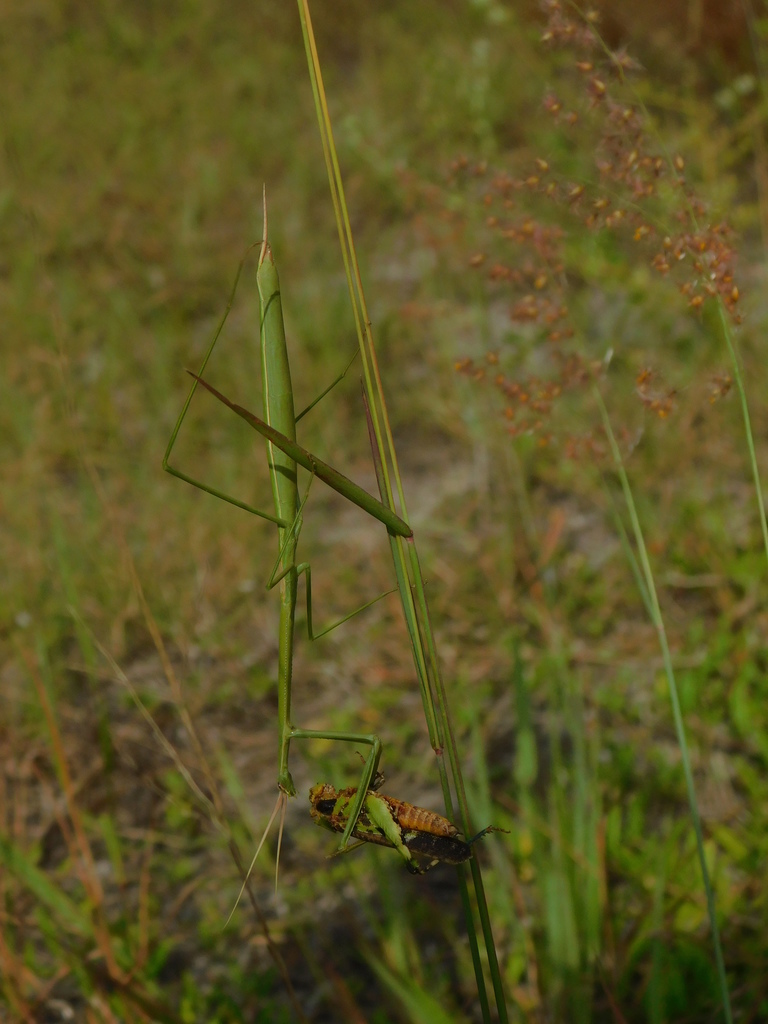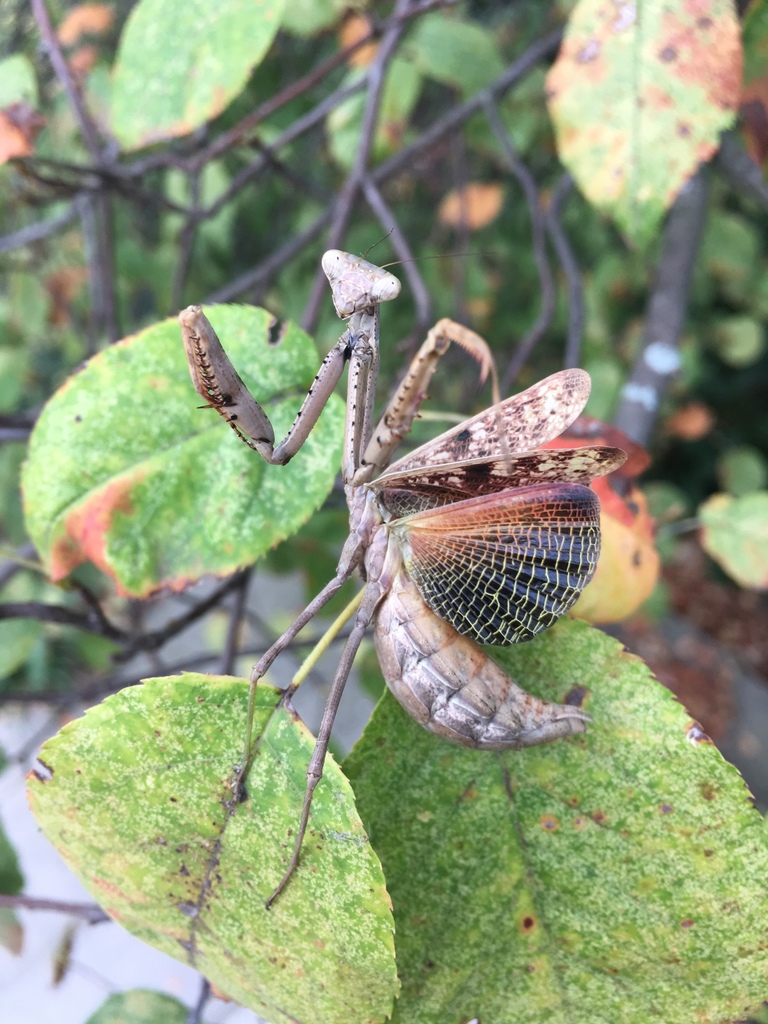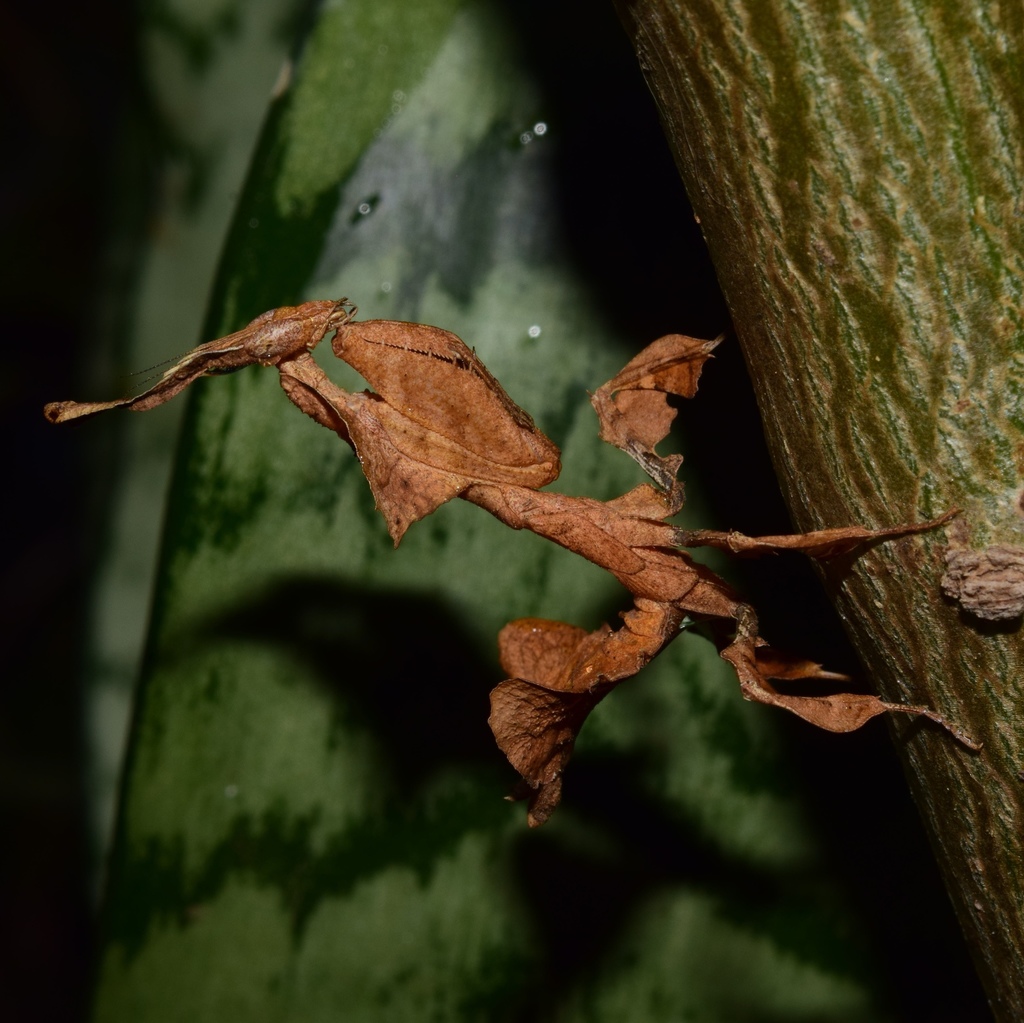
Ghost Mantis

Ghost Mantis

Phyllocrania paradoxa
$18
Price
7-12 months total, with females living longer than males
Lifespan
Beginner
Difficulty
Check availability & prices
In stock at 2 verified breeders

About this species

The Ghost Mantis is a stunning African species that looks remarkably like a dead, withered leaf. Growing to about 2 inches as adults, these mantids sport an elaborate leafy crown on their head and textured body parts that create perfect camouflage. Their coloration ranges from dark brown to light sandy brown, and sometimes even green depending on humidity levels. Originally from Madagascar and continental Africa, Ghost Mantids have become one of the most popular pet mantis species in the hobby.

What makes them especially appealing to beginners is their docile temperament and forgiving care requirements. Unlike many other mantis species, Ghosts can actually be housed together in groups with minimal risk of cannibalism when well-fed. They're ambush predators that prefer to hang upside down from branches or enclosure tops, waiting patiently for flying prey to pass within striking distance.

People buy Ghost Mantids because they combine exotic appearance with easy care. They don't require the highly specialized temperature or humidity control that other exotic species need, making them perfect for someone's first mantis. Their calm nature, reasonable size, and fascinating leaf-mimicking behavior make them excellent display animals that never fail to impress visitors.

Care requirements

Temperature
65-85°F
Humidity
50-90%
Enclosure
Well-ventilated terrarium or mesh cage with vertical climbing space
Size
Minimum 4"L x 4"W x 6"H for adults (3x mantis length in height, 2x in width)
Substrate
1-2 inches of coconut fiber, peat moss, or paper towels; bioactive setups work well
Diet
L1-L2 nymphs: melanogaster fruit flies. L3-L4: hydei fruit flies (2-3 every other day). L5-adult: house flies, blue bottle flies (3-4 every 2-3 days). Adults prefer flying prey. Never feed crickets - they carry harmful bacteria
Water
Mist lightly once daily for glass enclosures, twice daily for mesh. Use bottled or RO water, never tap water. Mantids drink droplets from surfaces
Important notes
Must have mesh or textured surface at top of enclosure for molting. Very easily intimidated by large prey - offer insects no bigger than mantis head. Don't disturb during molting. Can be kept communally if well-fed

Did you know?

Baby Ghost Mantids are black and mimic ants to avoid predators, only developing their leaf-like appearance after a few molts
Their asymmetrical head crest isn't just for show - it helps break up their outline to look even more like a crumpled leaf
Ghost Mantids can change color between molts - higher humidity produces greener individuals while drier conditions create brown ones

Common questions

Can Ghost Mantids really be kept together?
Yes! Unlike most mantis species, well-fed Ghosts have very low cannibalism rates and can be housed communally. Just ensure adequate space and food for all individuals.
Why won't my Ghost Mantis go to the bottom of the enclosure?
This is normal behavior - Ghosts are arboreal and prefer hanging upside down from high perches. This is why they need flying prey rather than ground-dwelling feeders like crickets.
How do I know when my Ghost Mantis is about to molt?
They'll stop eating 1-2 days before molting, become less active, and their wing buds (if present) will appear swollen. Never disturb a molting mantis.
What's the white string hanging from my Ghost Mantis?
If it recently molted, this is likely part of the old exoskeleton lining from their digestive tract. It's normal and will fall off naturally.