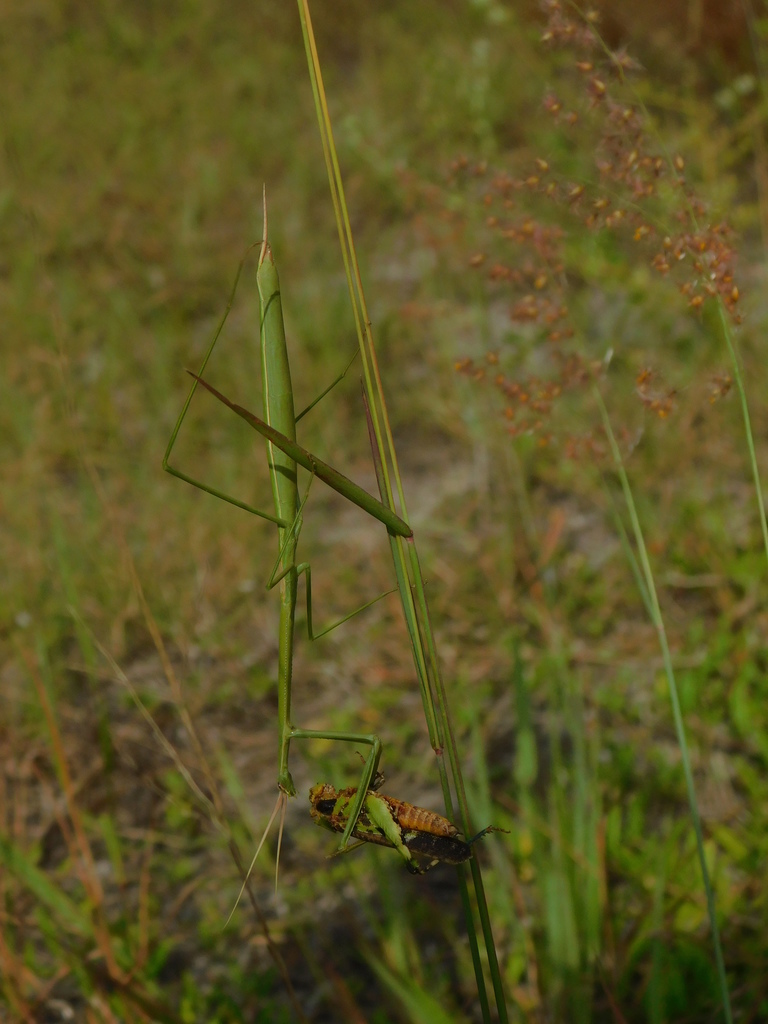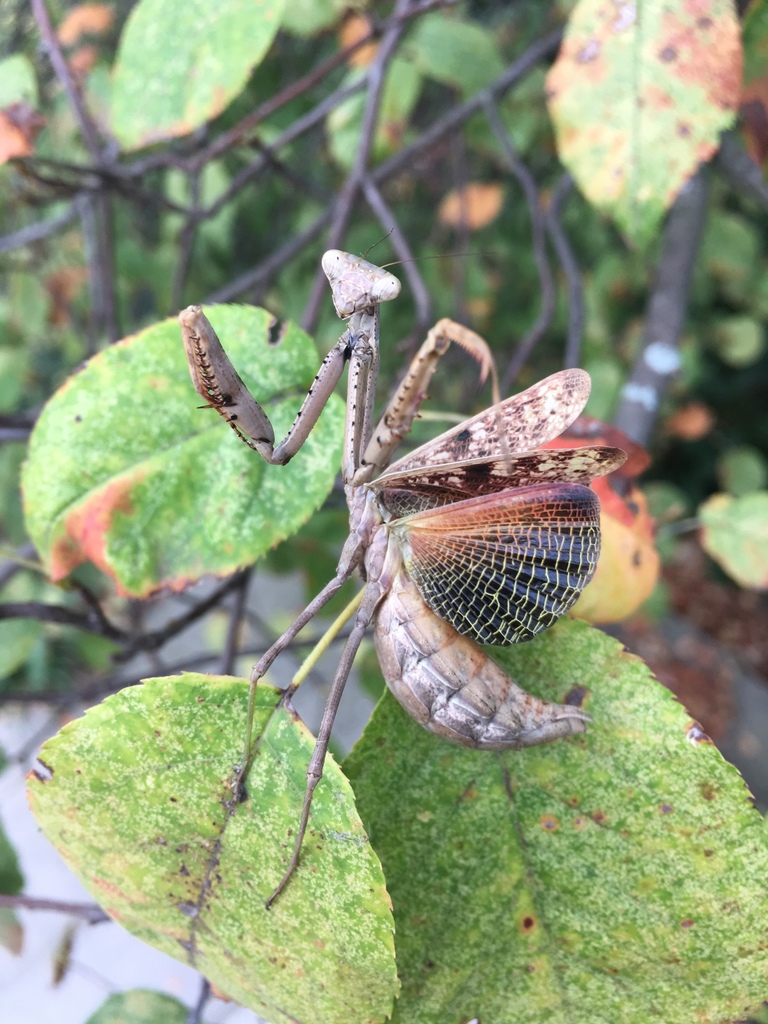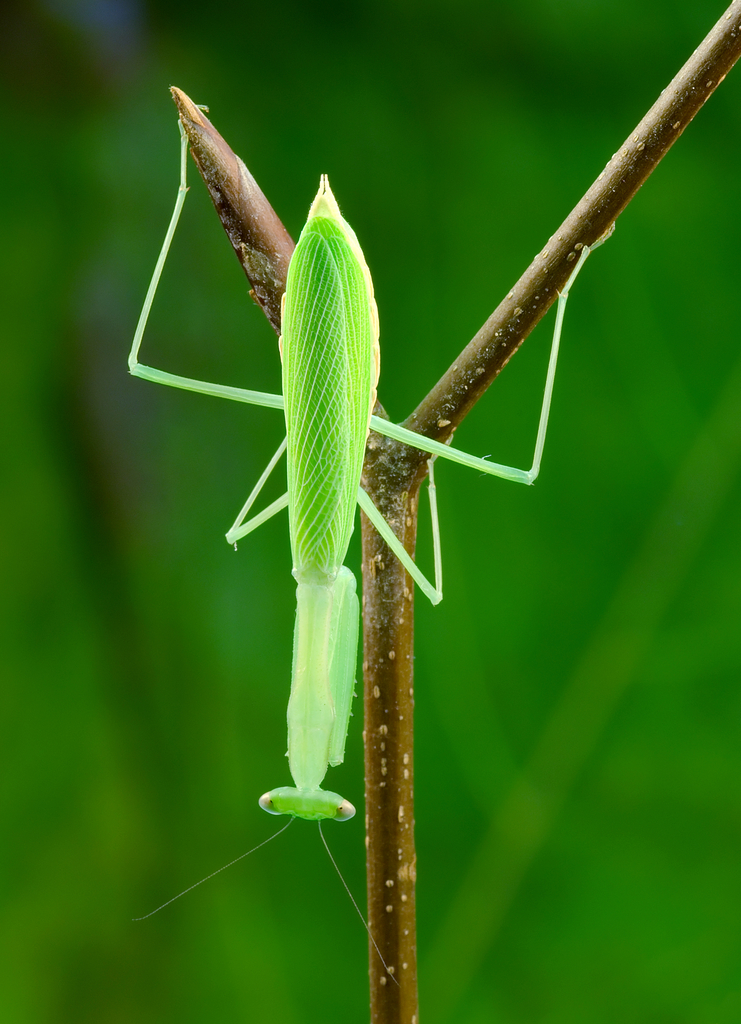
Egyptian Pygmy Mantis

Egyptian Pygmy Mantis

Miomantis paykullii
$25-35
Price
Males: 2-5 months as adults, Females: up to 9 months as adults
Lifespan
Beginner
Difficulty
Check availability & prices
View suppliers & Amazon options

About this species

The Egyptian Pygmy Mantis is a tiny but ferocious species that barely reaches one inch in length as an adult, making it one of the smallest mantis species available in the pet trade. Native to Africa and the Middle East, these mantises come in beautiful pastel shades including tan, green, pale yellow, and even light blue variants that appear almost translucent like stained glass. Despite their miniature size, they're surprisingly bold hunters that will actively stalk and tackle prey that seems too large for them.

These mantises are perfect for beginners due to their hardy nature and simple care requirements. They're relatively active compared to other mantis species and will chase down their prey rather than waiting ambush-style. Males are particularly good fliers, so secure enclosures are important. What makes this species especially interesting is the females' ability to reproduce through parthenogenesis - they can produce viable eggs without mating, though these offspring will be exclusively female and somewhat weaker than those produced through normal reproduction.

People are drawn to Egyptian Pygmy Mantises for their fairy-like appearance, manageable size, and engaging hunting behavior. Their small size means they don't require large enclosures or feeder insects, making them ideal for those with limited space. However, buyers should note that while adults are easy to care for, the extremely tiny early nymphs can be challenging to manage, so it's best to purchase older nymphs (L3 or later) for your first experience with this species.

Care requirements

Temperature
72-85°F
Humidity
40-60%
Enclosure
Well-ventilated container with mesh lid for molting grip
Size
4x3x3 inches minimum for adults, 32oz deli cup works well
Substrate
Paper towel, coconut fiber, or sphagnum moss
Diet
Fruit flies for all stages, adults can eat small crickets, moths, green bottle flies - prey should be less than half mantis length. Feed every 2-3 days
Water
Mist lightly 2-3 times per week, ensuring water droplets are available to drink
Important notes
Cannot be housed together as they will cannibalize. Remove uneaten prey before molting. Very small early nymphs (L1-L2) can be difficult to manage. Males are strong fliers and need secure lids

Did you know?

Females can reproduce without mating through parthenogenesis, producing all-female offspring
Despite being only an inch long, they fearlessly attack prey nearly their own size
They come in rare pastel color variants including light blue and pale yellow that look like stained glass

Common questions

Can I keep multiple Egyptian Pygmy Mantises together?
No, they will cannibalize each other after the first couple molts. Each mantis needs its own enclosure.
What's the best starter food for nymphs?
Melanogaster (flightless) fruit flies are perfect for all life stages. Adults can graduate to hydei flies and small crickets.
Do I need special heating for this species?
Normal room temperature (70-75°F) is fine. Only use supplemental heat if your room drops below 70°F.
How often do females lay egg cases?
Females can produce 6-12 oothecae in their lifetime, laying one every 1-2 weeks after mating or even without mating.