About this species
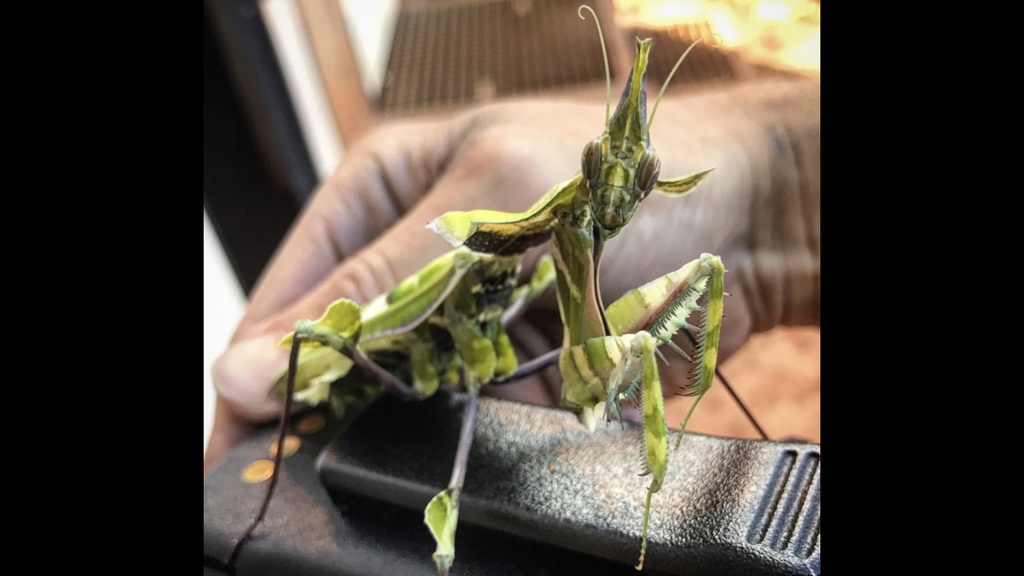
The Devils Flower Mantis is one of the most spectacular and sought-after mantis species in the hobby, earning the nickname "King of all mantids." Native to East Africa (particularly Tanzania, Kenya, and Ethiopia), these giants grow to impressive sizes - females reaching up to 5 inches and males around 4 inches. What truly sets them apart is their absolutely stunning threat display, revealing vibrant red, white, blue, and black markings on their raptorial legs when startled. Adults feature beautiful white and green coloration with an impressive shield-like pronotum on their back. Despite their intimidating appearance and name, they're actually quite skittish and nervous creatures that prefer to avoid confrontation. Their spectacular appearance, combined with their challenging care requirements and high price point ($85-125), makes them a true trophy species for experienced mantis keepers looking for the ultimate display animal.
Did you know?
Newborn nymphs are shiny black to mimic ants for protection, then turn beige/brown before their stunning adult colors emerge
Can decapitate prey with a single strike using their exceptionally powerful raptorial forelegs
Males have distinctive feather-shaped antennae while females have regular antennae
Common questions
Why won't my Devils Flower Mantis eat crickets?
This species exclusively hunts flying prey and will ignore crawling insects unless desperately hungry. They're ambush predators that snatch flies from mid-air.
Do they really need such high temperatures?
Yes, 85-95°F is essential. They'll become sluggish, stop eating, or enter dormancy (aestivation) if kept too cool.
Can I keep multiple together?
While less cannibalistic than other species, it's risky. They may grab the same fly and injure each other, or eat smaller individuals.
Why is this species so expensive and hard to find?
High mortality rates, specific care requirements, and difficulty breeding make captive-bred specimens rare and valuable.