Brunner's Stick Mantis

Brunner's Stick Mantis

Brunneria borealis
$25-35
Price
2-4 months as adults; up to 11 months total reported in captivity
Lifespan
Intermediate (requires consistent high humidity and space for molting)
Difficulty
Check availability & prices
View suppliers & Amazon options

About this species

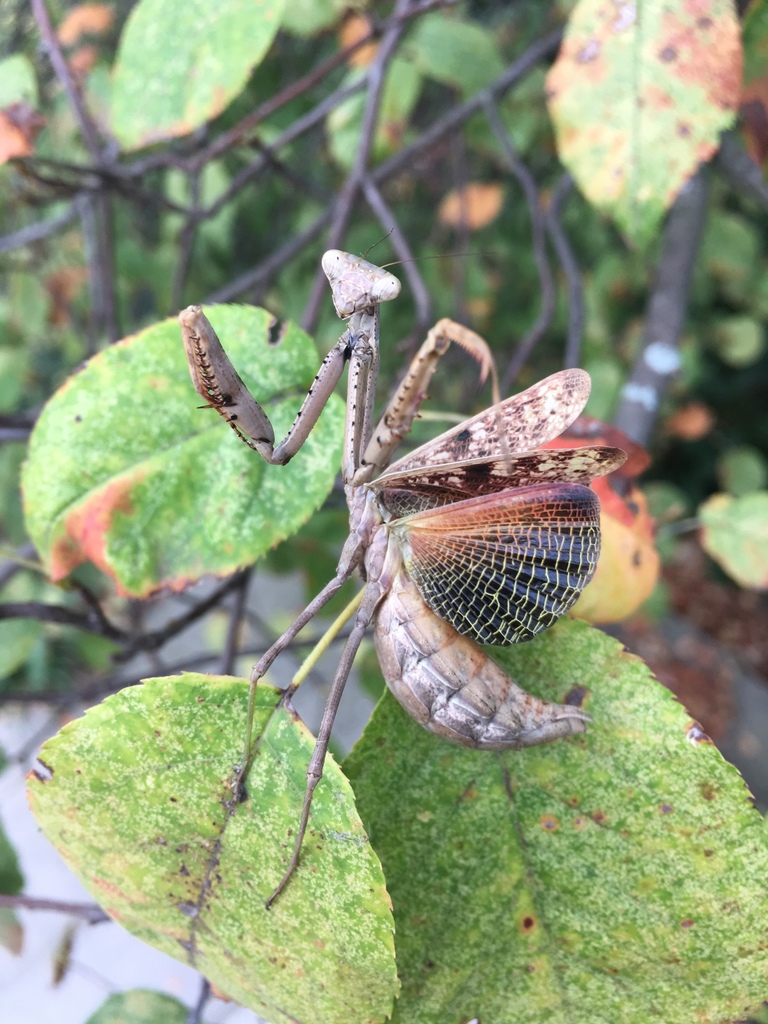
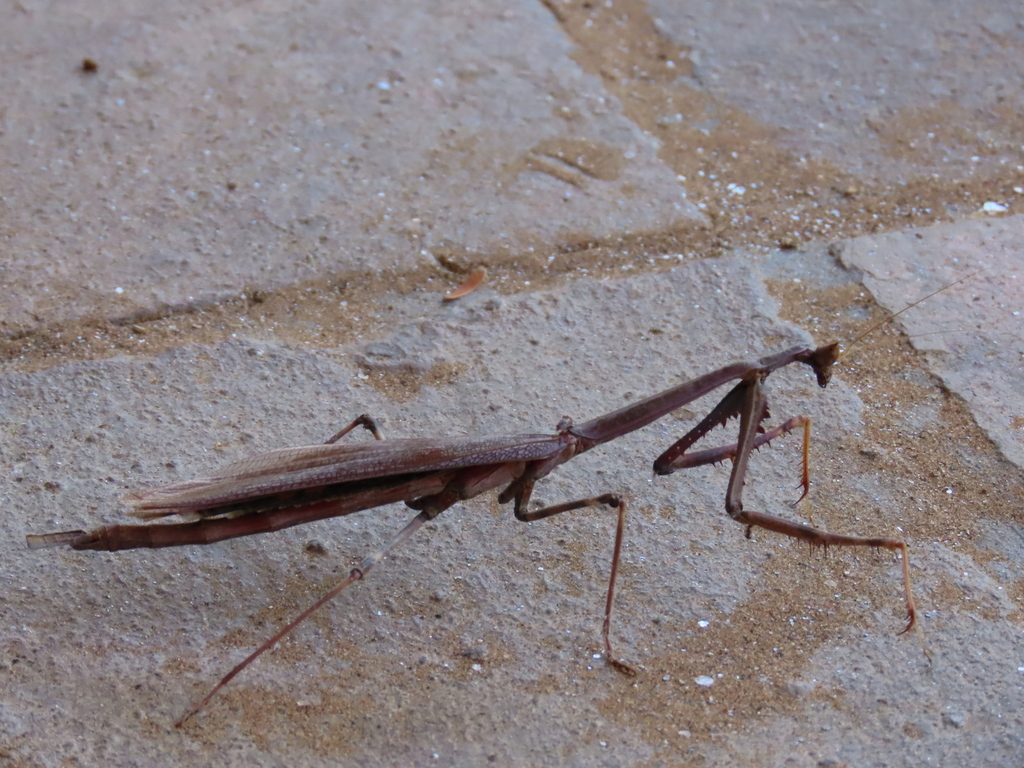
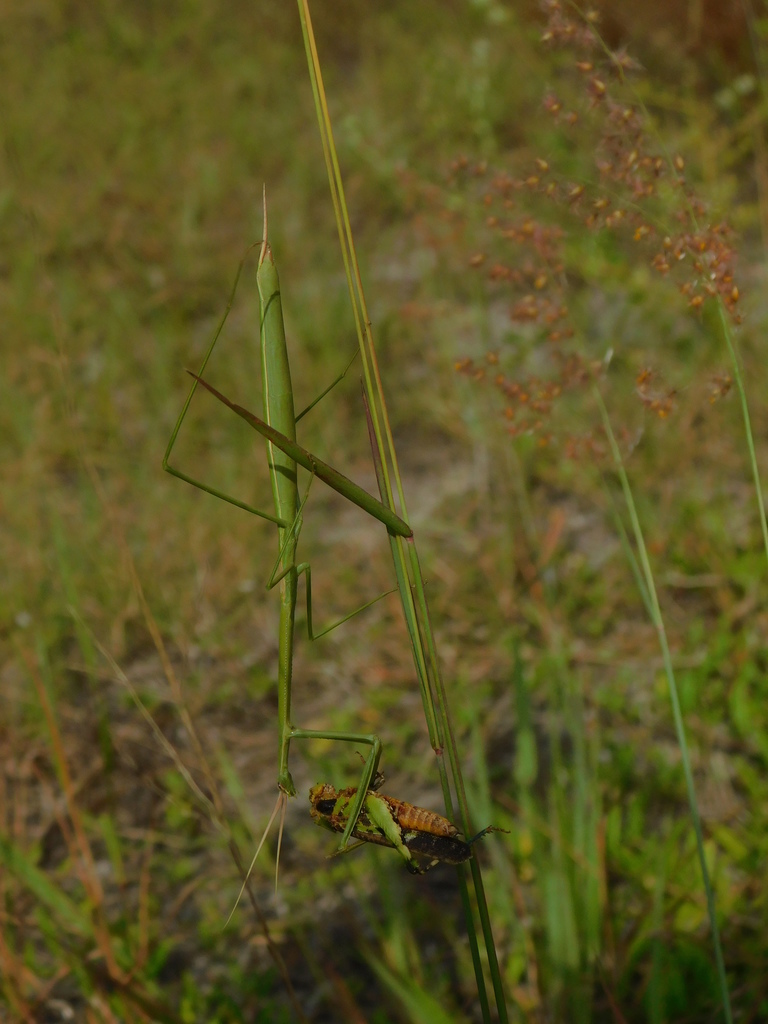
The Brunner's Stick Mantis is a remarkable and unique species - the only mantis in the world that reproduces entirely through parthenogenesis, meaning there are no males and all individuals are female clones. Native to the southern United States, these elegant mantids have extremely elongated, stick-like bodies that can reach 3-4 inches in captivity (sometimes up to 5 inches), making them masters of camouflage among grasses and twigs. Their slender green or brown bodies, reduced wings that render them flightless, and tiny raptorial forelegs give them an almost phasmid-like appearance.

These fascinating insects are found from Texas to the Atlantic coast, inhabiting tall grasses and lower tree branches where they ambush small prey. Their parthenogenetic reproduction means a single nymph can establish an entire colony, with adults laying 5 or more tiny oothecae (only about 1cm long) that hatch gradually over weeks rather than all at once - unusual for mantids. This unique hatching pattern releases 15-30 nymphs per ooth in small batches.

While sometimes described as delicate or challenging, experienced keepers report they're not particularly difficult if their high humidity needs are met. Their somewhat communal nature in early instars, combined with their distinctive reproductive biology and graceful appearance, makes them a captivating species for mantis enthusiasts looking for something truly different.

Care requirements

Temperature
75-90 (some sources report up to 92)°F
Humidity
60-80+ (high humidity critical)%
Enclosure
Well-ventilated container with live plants or bioactive setup strongly recommended; modified styrofoam containers work well
Size
Height at least 3x mantis body length; adults need significant space due to length
Substrate
Moist coco fiber, perlite, or bioactive substrate to maintain humidity
Diet
L1-L3: D. melanogaster and D. hydei fruit flies; L3+: small roaches, bluebottle flies; Adults: primarily flies due to weak jaws - avoid hard-bodied prey or pierce exoskeleton first
Water
Mist every 1-2 days; continuous moisture essential; they drink droplets from surfaces
Important notes
Critical to maintain high humidity especially during molts to prevent mismolts; benefit greatly from planted/bioactive enclosures; weak forelegs mean smaller prey than size suggests; gradual ooth hatching requires planning

Did you know?

The only known mantis species with no males - every individual is a female clone reproducing through parthenogenesis
Their abdominal markings fluoresce under UV light, similar to scorpions
Despite being large mantids, their oothecae are tiny (only 1cm) and hatch gradually over weeks instead of all at once

Common questions

Do I really need males to breed them?
No! This species reproduces entirely through parthenogenesis - there are no males. Every female will lay fertile oothecae without mating.
Why did my mantis mismolt?
Insufficient humidity is the most common cause. These mantids need consistently high humidity (60-80%+) and extra misting before molts.
Can they eat crickets like other mantids?
They have notably weak jaws, so flies are preferred throughout life. If feeding crickets or roaches, choose small ones and consider pre-killing or piercing the exoskeleton.
How many babies come from each ooth?
Unlike most mantids, Brunneria ooths hatch gradually over several weeks, producing 15-30 nymphs total in small batches rather than one large hatch.